Creative Campaigns Outshine Official Sponsorships at World Cup
As the World Cup unfolds across the U.S., Canada, and Mexico, a surprising trend in advertising is emerging: non-sponsor brands are generating significant buzz and engagement, often surpassing their officially affiliated counterparts. Experts suggest this phenomenon reflects a broader consumer preference for authentic branding and innovative marketing tactics, indicating a potential shift in how companies approach major global events.
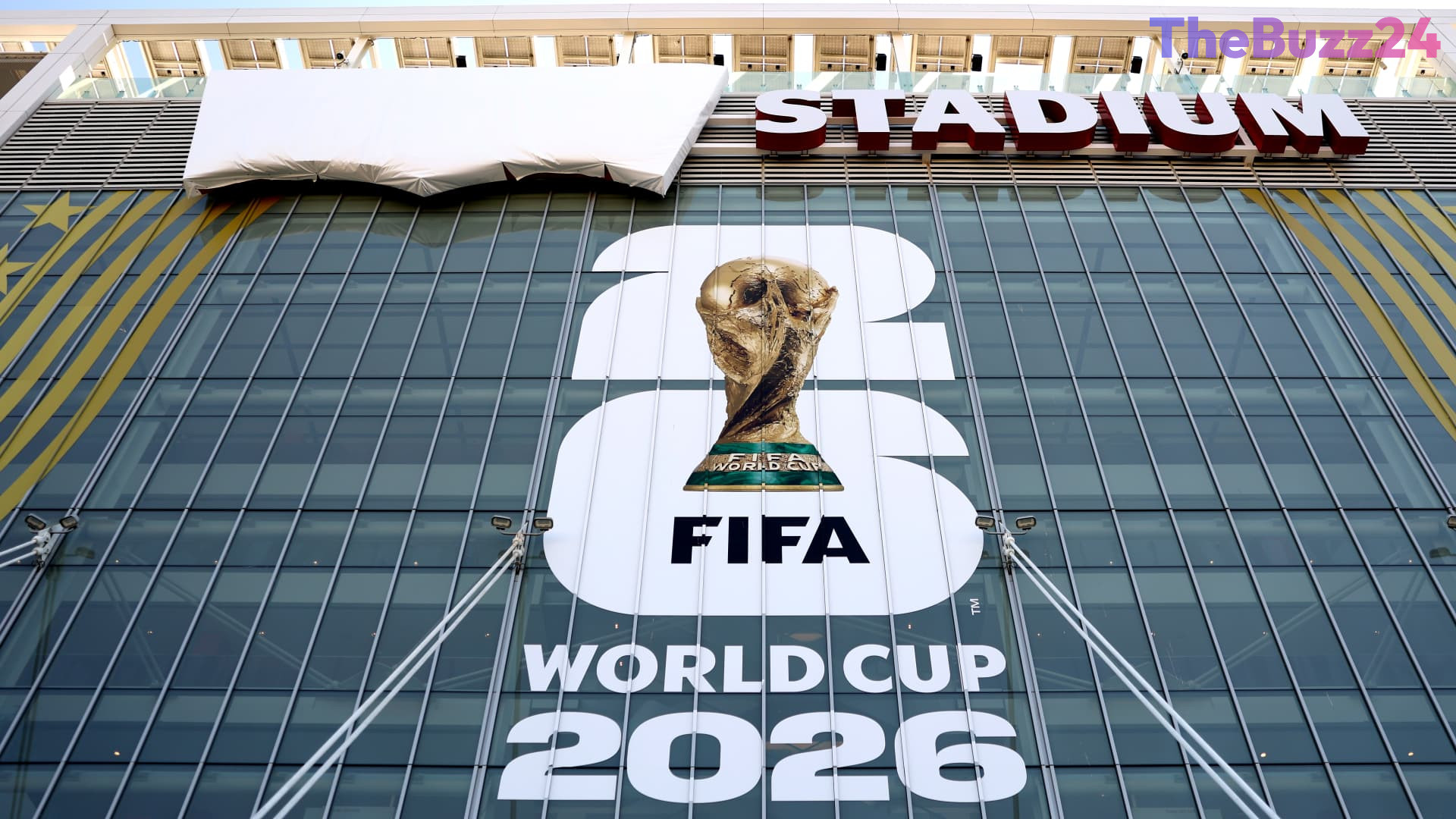
While the official roster of World Cup sponsors includes global giants like Adidas, Coca-Cola, and Qatar Airways, the spotlight has frequently turned to companies not directly backing the tournament. Brands such as Levi Strauss & Co., Taco Bell, and Texas-based convenience store chain Buc-ee’s have garnered substantial social media traction. Their success stems from a mix of creative marketing strategies and organic customer responses, particularly with the influx of international fans and players. McDonald’s, for instance, celebrated with themed menu items, while Taco Bell launched a campaign designed to support fans regardless of match outcomes. Even denim brand Levi’s leveraged a stadium branding restriction, turning a covered logo into a viral social media moment that significantly boosted its visibility and engagement.
Market intelligence reveals the scale of this impact. Advertising spending for this year’s World Cup is projected to reach $10.5 billion. However, data indicates that non-sponsor brand collaborations generated nearly double the engagement of official sponsors in the lead-up to the event, accumulating approximately 61 million engagements compared to 33 million. This engagement was largely driven by distribution and creative quality, with TikTok proving to be a particularly effective platform. Since the tournament began, non-sponsor brands have accumulated over 57,000 social media mentions, outpacing the 43,000 mentions for official sponsors.
This shift underscores a crucial insight: an official sponsorship is no longer a prerequisite to dominate cultural moments. Brands that excel are those capable of identifying real-time trends, creatively connecting them to their identity, and acting swiftly. The success of non-sponsors like Nike, whose World Cup advertisement featuring an array of celebrities and football stars garnered over 70 million YouTube views, highlights the power of irreverent, on-brand content. This approach often resonates with consumers who are increasingly wary of overt commercialization, viewing the “rebellious” marketing as a counterpoint to the perceived capitalistic intentions of event organizers.
Key Takeaways
- Non-sponsor brands are achieving significant advertising success and engagement during the World Cup through creative, authentic, and often "cheeky" marketing strategies.
- Social media platforms, particularly TikTok, are crucial for non-sponsors to generate buzz and achieve higher engagement than official sponsors, often by reacting to real-time cultural moments.
- This trend suggests a shift in advertising effectiveness, where agility, creativity, and a connection to consumer sentiment can outweigh large sponsorship budgets, potentially influencing future brand partnership models.
Editor’s Analysis & Impact
This World Cup highlights a significant disruption in sports marketing, where traditional, high-cost sponsorships are being challenged by agile, creative guerrilla marketing tactics. Brands are finding that authentic engagement and real-time responsiveness on social media can yield superior ROI compared to official affiliations. This trend will likely force major sports organizations like FIFA to re-evaluate their sponsorship packages and restrictions. Brands, both large and small, will increasingly prioritize digital-first, culturally relevant campaigns that resonate directly with consumers, rather than solely relying on official endorsements. It underscores a broader consumer shift towards authenticity and a skepticism of overt commercialization. Companies that understand and leverage cultural moments with genuine, often humorous, content will gain a competitive edge, signaling a more dynamic and less predictable advertising landscape for global events.
Frequently Asked Questions
Q: What role does social media play in this advertising trend?
A: Social media, especially platforms like TikTok, is crucial for non-sponsor brands. It enables them to react quickly to trending moments, foster organic customer responses, and achieve high engagement through creative content, often surpassing the reach of traditional sponsored advertisements.
Q: How might this trend impact future major event sponsorships?
A: This trend could lead to a re-evaluation of sponsorship models by event organizers like FIFA, potentially prompting them to adjust regulations or offer more flexible packages. Brands may also shift their focus towards more agile, digital-centric marketing strategies that prioritize authentic consumer connection over expensive official endorsements.
AI Disclosure: This article is based on verified data and official reports. Our Team and AI have cross-referenced every financial detail with primary sources to ensure total accuracy.
More from this Category