Strait of Hormuz Shipping Recovery Faces New Volatility After Cargo Ship Attack
Shipping activity through the Strait of Hormuz, a critical global energy chokepoint, showed signs of a significant rebound in the week following a ceasefire agreement between the United States and Iran. Between June 15 and June 21, the waterway recorded 125 transits, the highest volume since the onset of regional hostilities in February. This surge was driven by a rush to transport stored Gulf crude before the expiration of a 60-day truce window, with June 24 seeing a record 62 commercial vessel crossings in a single day.
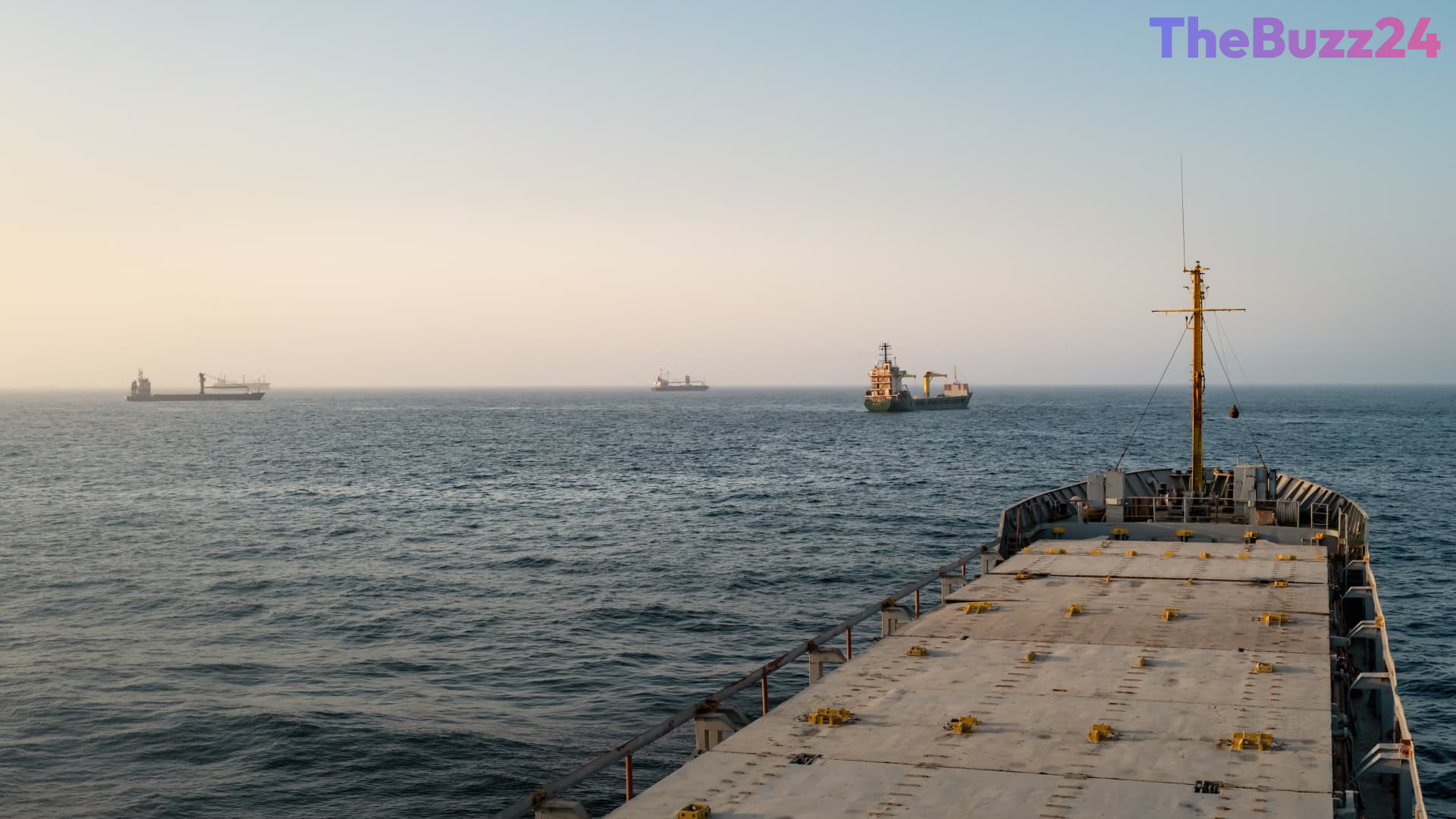
However, this recovery remains precarious. The momentum was abruptly challenged when the Singapore-flagged container ship Ever Lovely was struck by a projectile off the Omani coast. The incident, which has been attributed to the Islamic Revolutionary Guard Corps, marks the first such attack since the ceasefire was established. The strike has forced shipping companies to navigate a complex geopolitical landscape, as they must choose between competing transit corridors: a northern route mandated by Iranian authorities or a southern passage supported by the U.S. and Oman.
For many in the shipping industry, the primary concern is not just physical safety, but the economic viability of these transits. War-risk insurance premiums have surged from 0.05% to over 0.7% of a vessel’s hull value, creating a significant financial burden. While some executives, such as those at Okeanis Eco Tankers Corp, remain optimistic that the recent attack will not derail the broader recovery, others remain cautious. Many firms are opting to keep vessels out of the region entirely, citing a lack of clear navigation guidelines and the persistent threat of further instability.
Key Takeaways
- Shipping traffic in the Strait of Hormuz reached a post-war high following a ceasefire, but progress is being undermined by renewed security threats.
- A recent projectile attack on the Ever Lovely has highlighted the ongoing risks, with companies forced to choose between competing, politically-charged transit corridors.
- Skyrocketing war-risk insurance premiums are creating a major barrier to trade, forcing many shipping firms to prioritize long-term stability over immediate transit opportunities.
Editor’s Analysis & Impact
The situation in the Strait of Hormuz serves as a stark reminder of how fragile global supply chains remain when tethered to geopolitical flashpoints. The current ‘rebound’ is largely opportunistic, driven by the need to clear backlogged crude oil before the truce window closes, rather than a return to normalized trade. The industry is currently caught in a ‘wait-and-see’ trap; until a unified, internationally recognized set of navigation rules is established, the high cost of insurance will continue to act as a tax on global energy prices. Moving forward, the market will likely see a bifurcation: larger, well-capitalized firms may absorb the risk premiums, while smaller operators will continue to avoid the region, potentially leading to long-term shifts in global shipping routes and increased reliance on alternative corridors like the Red Sea.
Frequently Asked Questions
Q: Why is the Strait of Hormuz considered so important to the global economy?
A: The Strait of Hormuz is one of the world's most vital energy chokepoints, typically handling approximately 20% of the world's total oil traffic.
Q: How have the recent conflicts affected the cost of shipping through the region?
A: The conflict has caused war-risk insurance premiums to spike significantly, rising from 0.05% to over 0.7% of a vessel's hull value per transit, which creates a major financial strain on shipping companies.
AI Disclosure: This article is based on verified data and official reports. Our Team and AI have cross-referenced every financial detail with primary sources to ensure total accuracy.
More from this Category