Trump Vows 100% Tariffs Against Nations Targeting U.S. Tech Firms with Digital Taxes
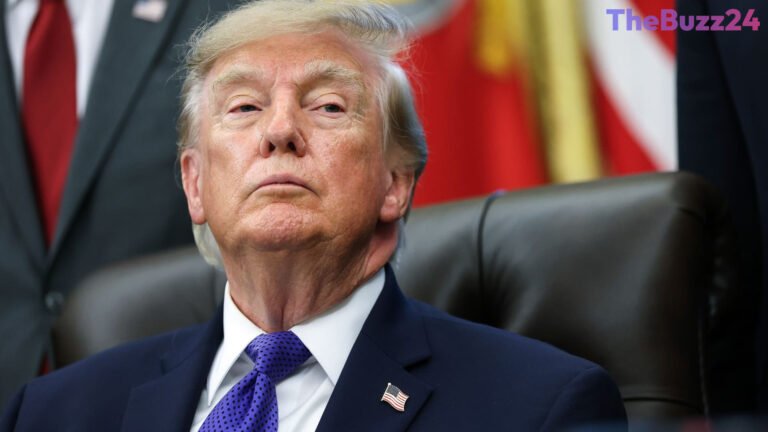
President Donald Trump has issued a stern warning to international governments, threatening to impose a 100% tariff on goods from any nation that implements a digital services tax targeting American companies. In a recent statement, the President emphasized that these retaliatory measures would supersede any existing or pending trade agreements, signaling a hardline approach to protecting U.S.-based technology giants.
Digital services taxes have become a point of contention in global trade, as they are frequently designed to capture revenue from major U.S. corporations such as Meta, Alphabet, and Amazon. While more than a dozen countries have already adopted such levies, Trump’s latest declaration specifically targets European nations currently weighing similar fiscal policies. The President maintains that these taxes unfairly discriminate against American enterprises and has vowed to act immediately should these countries proceed with their implementation.
Legal experts remain uncertain regarding the specific statutory authority the administration would utilize to enforce such a sweeping tariff policy. Previous attempts by the administration to implement broad, reciprocal tariffs were challenged in the Supreme Court, which ruled that the International Emergency Economic Powers Act did not grant the executive branch unilateral authority for such actions. While the administration has previously utilized Section 122 of the Trade Act of 1974 to enact temporary tariffs, those measures are subject to strict time limitations and congressional oversight.
Key Takeaways
- President Trump has threatened a 100% tariff on countries that impose digital services taxes on U.S. tech companies.
- The proposed tariffs are intended to protect major U.S. firms like Meta, Alphabet, and Amazon from targeted international taxation.
- Legal questions persist regarding the administration's authority to implement these tariffs, given previous Supreme Court rulings on trade powers.
Editor’s Analysis & Impact
This aggressive trade stance marks a significant escalation in the ongoing friction between the U.S. and international regulators regarding the taxation of the digital economy. By threatening a 100% tariff, the administration is effectively attempting to force a global consensus that favors U.S. tech interests over local revenue-generating measures. The broader implication is a potential shift toward a more protectionist global trade environment, which could trigger retaliatory measures and disrupt supply chains. If enacted, these tariffs would likely face immediate legal challenges and could complicate existing diplomatic relations with key European allies. Investors should monitor the situation closely, as the uncertainty surrounding trade policy and the potential for a ‘tariff war’ could introduce significant volatility into the technology sector and international markets.
Frequently Asked Questions
Q: What is a digital services tax?
A: A digital services tax is a levy imposed by a government on the revenue generated by large technology companies from digital services provided to users within that country, often targeting firms like Meta, Alphabet, and Amazon.
Q: Why is the administration threatening these tariffs?
A: The administration argues that digital services taxes unfairly target and discriminate against successful American technology companies, and it intends to use the threat of high tariffs to discourage other nations from adopting these fiscal policies.
AI Disclosure: This article is based on verified data and official reports. Our Team and AI have cross-referenced every financial detail with primary sources to ensure total accuracy.
More from this Category