Tensions Escalate in Strait of Hormuz as US Strikes Iranian Targets
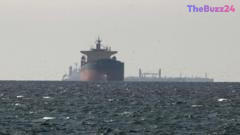
Military tensions in the Strait of Hormuz have reached a critical juncture following a series of retaliatory strikes by the United States against Iranian infrastructure. The US military confirmed it targeted missile and drone storage facilities, as well as coastal radar positions, in response to a drone strike on the Singapore-flagged cargo ship, Ever Lovely. The attack on the vessel, which occurred while it was navigating a designated safe route, prompted the International Maritime Organization to suspend the evacuation of over 11,000 sailors currently stranded in the region.
The exchange of fire marks a significant breakdown in the interim ceasefire agreement established on June 17. While the US maintains that its actions were a necessary defense of international maritime freedom and commercial navigation, Iranian officials have characterized the strikes as a violation of the existing memorandum of understanding. Tehran has claimed that the Ever Lovely was utilizing an unauthorized route, and in a retaliatory move, the Islamic Revolutionary Guard Corps reported strikes against US-linked targets in the area.
Political rhetoric has intensified on both sides, with US leadership warning that further aggression will be met with force. Conversely, Iranian parliamentary officials have accused the US of undermining ongoing diplomatic negotiations through military intervention. The instability in this vital trade corridor continues to threaten global energy supplies, as the waterway remains a primary artery for oil and gas shipments. With both nations trading accusations of treaty violations, the future of the fragile ceasefire remains highly uncertain.
Key Takeaways
- The US launched retaliatory strikes against Iranian drone and missile facilities following an attack on a commercial cargo ship.
- The incident has halted the planned evacuation of over 11,000 sailors stranded in the Strait of Hormuz.
- Both the US and Iran have accused each other of violating the June 17 ceasefire agreement, casting doubt on the future of diplomatic negotiations.
Editor’s Analysis & Impact
The recent escalation in the Strait of Hormuz represents a dangerous pivot back toward open conflict, threatening to destabilize global energy markets. The disruption of this critical maritime chokepoint has historically led to immediate spikes in oil and commodity prices, creating inflationary pressure on the global economy. From a geopolitical perspective, the breakdown of the 14-point memorandum of understanding suggests that back-channel diplomacy is failing to address the fundamental friction regarding maritime sovereignty and tolling rights. If the cycle of ‘violence for violence’ continues, the risk of a broader regional conflict increases, potentially forcing global powers to intervene to secure trade routes. The long-term outlook remains grim unless both parties can move beyond public posturing and re-establish a verifiable framework for safe passage.
Frequently Asked Questions
Q: Why did the US strike Iranian targets?
A: The US military conducted strikes in response to a drone attack on the Singapore-flagged cargo ship, Ever Lovely, which the US deemed a violation of the ceasefire and a threat to freedom of navigation.
Q: What is the current status of the sailors stranded in the region?
A: The evacuation of over 11,000 sailors has been paused by the International Maritime Organization due to the heightened security risks and ongoing military activity in the Strait of Hormuz.
AI Disclosure: This article is based on verified data and official reports. Our Team and AI have cross-referenced every financial detail with primary sources to ensure total accuracy.
More from this Category