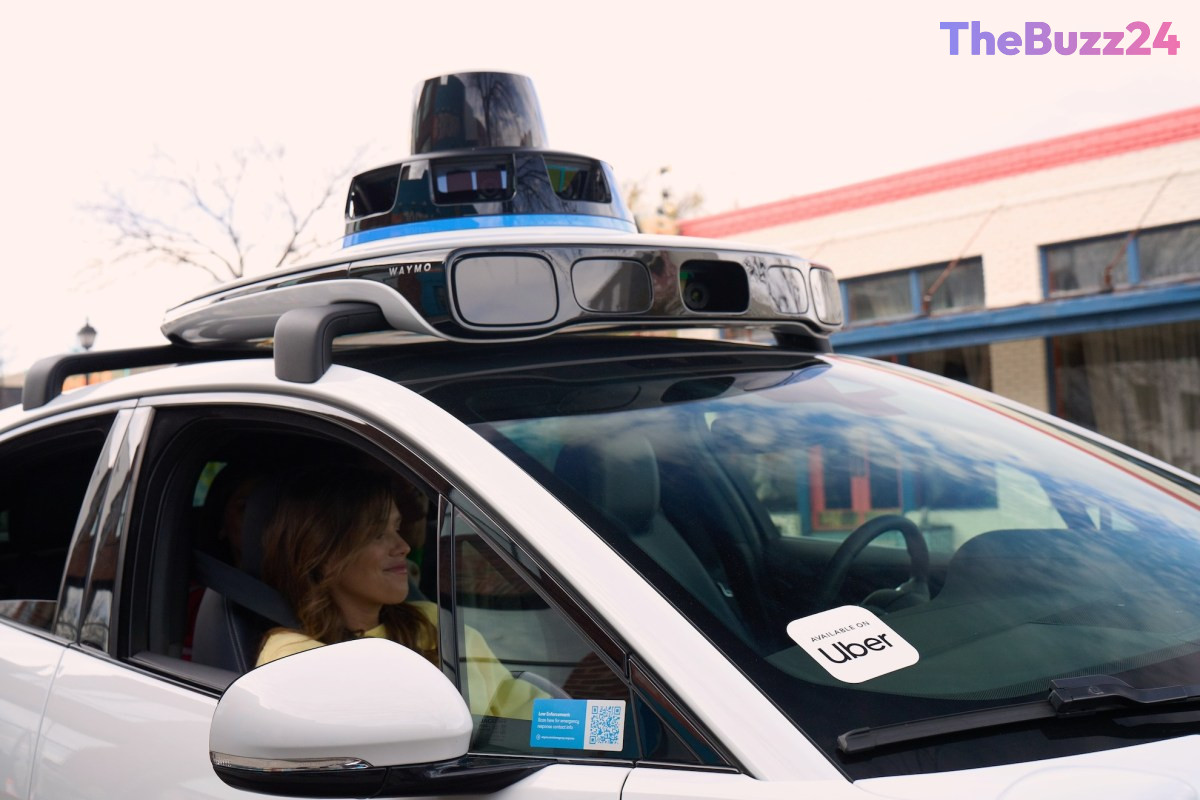
Phoenix Robotaxi Shakeup: Uber and Waymo End Local Ride-Hailing Alliance
Waymo and Uber have officially concluded their autonomous vehicle ride-sharing partnership in Phoenix, Arizona. The collaboration, which spanned nearly three years, quietly wrapped up in May as the contract reached its scheduled expiration. Waymo’s self-driving vehicles have been removed from the Uber app in the Phoenix metropolitan area and reintegrated back into Waymo’s proprietary fleet, where they will continue to serve passengers directly.
Despite the conclusion of the Phoenix pilot, the relationship between the two transit giants remains active in other markets. Waymo vehicles continue to be accessible via the Uber app in Austin, Texas, and Atlanta, Georgia. Meanwhile, Uber has indicated that it is preparing to launch a new autonomous vehicle partnership in Phoenix with an undisclosed partner. Waymo, on the other hand, is focusing on deploying its latest hardware, including the Zeekr-manufactured “Ojai” vans, and expanding its independent operations.
The partnership’s conclusion marks a significant evolution since its inception in 2023. Initially, the collaboration surprised industry observers due to a highly publicized legal dispute between Uber and Waymo that was settled in 2018. Since then, the autonomous vehicle sector has matured rapidly. Waymo has scaled its operations to approximately 4,000 vehicles, facilitating over 500,000 weekly trips across 11 major U.S. metropolitan areas, while Uber has diversified its network by securing multiple autonomous vehicle partnerships.
As both companies scale their respective technologies, their relationship is transitioning from collaborative to competitive. Beyond their ongoing joint efforts in Texas and Georgia, Waymo and Uber are expected to go head-to-head in international markets, including a highly anticipated showdown in London later this year.
Key Takeaways
- Waymo and Uber have officially ended their three-year autonomous vehicle partnership in Phoenix, Arizona, following the expiration of their contract.
- While the Phoenix pilot has concluded, Waymo vehicles remain available on Uber's platform in Austin and Atlanta, and Uber plans to announce a new Phoenix AV partner soon.
- The shift comes as Waymo expands its independent fleet to 4,000 vehicles and both companies prepare to compete directly in global markets like London.
Editor’s Analysis & Impact
The conclusion of the Phoenix partnership highlights a pivotal transition in the autonomous vehicle (AV) sector from experimental collaboration to direct market competition. When Uber and Waymo first partnered, the AV industry was highly fragmented and recovering from legal battles. Today, Waymo has established itself as a dominant commercial operator with a fleet of 4,000 vehicles, while Uber has successfully positioned its platform as an aggregator for various AV developers. By reclaiming its Phoenix fleet, Waymo is prioritizing its first-party app experience and vertical integration, especially as it rolls out new hardware like the Zeekr-built vans. Meanwhile, Uber’s upcoming partnership in Phoenix demonstrates that ride-hailing platforms hold immense leverage as distribution networks. As these two giants prepare to clash in international markets like London, the industry is shifting toward a classic platform-versus-operator dynamic, where control over the customer relationship will dictate long-term profitability.
Frequently Asked Questions
Q: Why did Waymo and Uber end their partnership in Phoenix?
A: The partnership ended because the contract for the Phoenix pilot reached its scheduled expiration date. Both companies viewed the pilot as a successful foundation for their broader autonomous vehicle strategies.
Q: Can riders still book Waymo vehicles through Uber in other cities?
A: Yes, Waymo vehicles remain available to Uber users in Austin, Texas, and Atlanta, Georgia, where the companies continue to expand their joint operations.
Q: What is next for Uber's autonomous vehicle offerings in Phoenix?
A: Uber has announced that it is preparing to launch a new autonomous vehicle partnership in Phoenix with an undisclosed partner to continue offering self-driving rides in the area.
AI Disclosure: This article is based on verified data and official reports. Our Team and AI have cross-referenced every financial detail with primary sources to ensure total accuracy.
More from this Category