California Strikes Landmark Deal with Anthropic for Discounted Claude AI Access
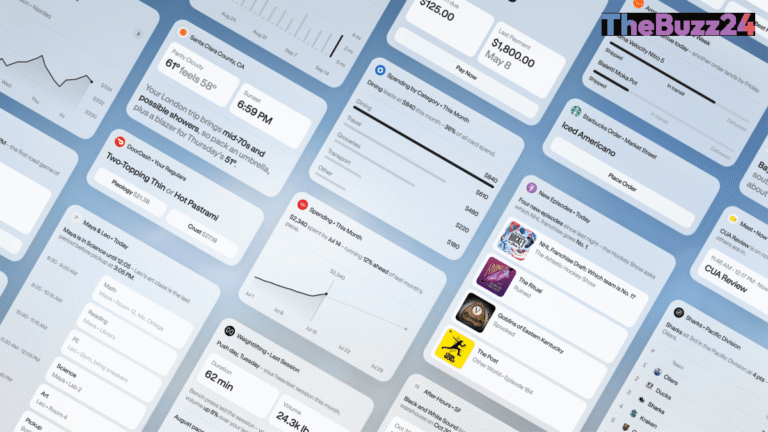
California Governor Gavin Newsom has announced a landmark partnership with artificial intelligence safety and research company Anthropic, granting state and local government agencies discounted access to the company’s flagship AI assistant, Claude. The agreement aims to help public sector employees streamline administrative tasks, draft documents, and analyze complex data sets more efficiently, addressing the rising costs of enterprise AI adoption.
The initiative aligns with an executive order issued by Governor Newsom in March, which sought to accelerate the integration of AI technologies into state operations to boost productivity while upholding strict safety and ethical standards. Newsom emphasized that the technology is intended to assist, rather than replace, human workers, enabling them to deliver faster and more effective results for California residents.
This state-level collaboration stands in stark contrast to Anthropic’s recent friction with the federal government. Earlier this year, the company clashed with the U.S. Department of Defense over a contract, with Anthropic pushing for explicit safeguards against using its AI for mass surveillance or autonomous weaponry. Following the disagreement, the Pentagon partnered with rival OpenAI and designated Anthropic a “supply-chain risk.” Despite this federal friction, California officials, including Department of Technology Director Chris Given, confirmed that the federal designation did not impact the state’s negotiations.
Key Takeaways
- California state and local government agencies will receive discounted access to Anthropic's Claude AI to assist with document drafting and data analysis.
- The deal aligns with Governor Newsom's executive order to safely accelerate AI integration to improve public sector efficiency.
- California's adoption of Anthropic's technology bypasses federal-level tensions, where the Department of Defense previously labeled the AI firm a supply-chain risk.
Editor’s Analysis & Impact
This partnership highlights a growing divergence between state and federal approaches to AI procurement and safety. While the federal government, particularly the Department of Defense, prioritized unrestricted utility—leading to a fallout with Anthropic over ethical guardrails and a subsequent pivot to OpenAI—California is positioning itself as a pragmatic adopter of AI. By securing a discounted enterprise deal, California is addressing the high capital barriers of AI integration while signaling support for Anthropic’s safety-first ethos. This move could set a precedent for other state governments looking to bypass federal gridlock and establish direct relationships with leading AI developers. It also solidifies Anthropic’s market position as a viable, ethically-aligned alternative to OpenAI in the public sector.
Frequently Asked Questions
Q: What is the purpose of California's deal with Anthropic?
A: The agreement allows California state and local government agencies to access Anthropic's Claude AI at a discounted rate to help employees draft documents, analyze information, and improve overall administrative efficiency.
Q: Why did Anthropic clash with the federal government?
A: Anthropic clashed with the U.S. Department of Defense over contract terms, as the company sought to prevent its AI from being used for surveillance or autonomous weaponry. The Pentagon rejected these terms, partnered with OpenAI instead, and labeled Anthropic a supply-chain risk.
Q: Does the federal 'supply-chain risk' label affect California's deal?
A: No. California's Department of Technology confirmed that the federal designation was not an issue during the state's negotiations with Anthropic.
AI Disclosure: This article is based on verified data and official reports. Our Team and AI have cross-referenced every financial detail with primary sources to ensure total accuracy.
More from this Category