Policy Shifts and Permitting Hurdles Threaten $121 Billion in Clean Energy Projects Amid AI Demand Surge
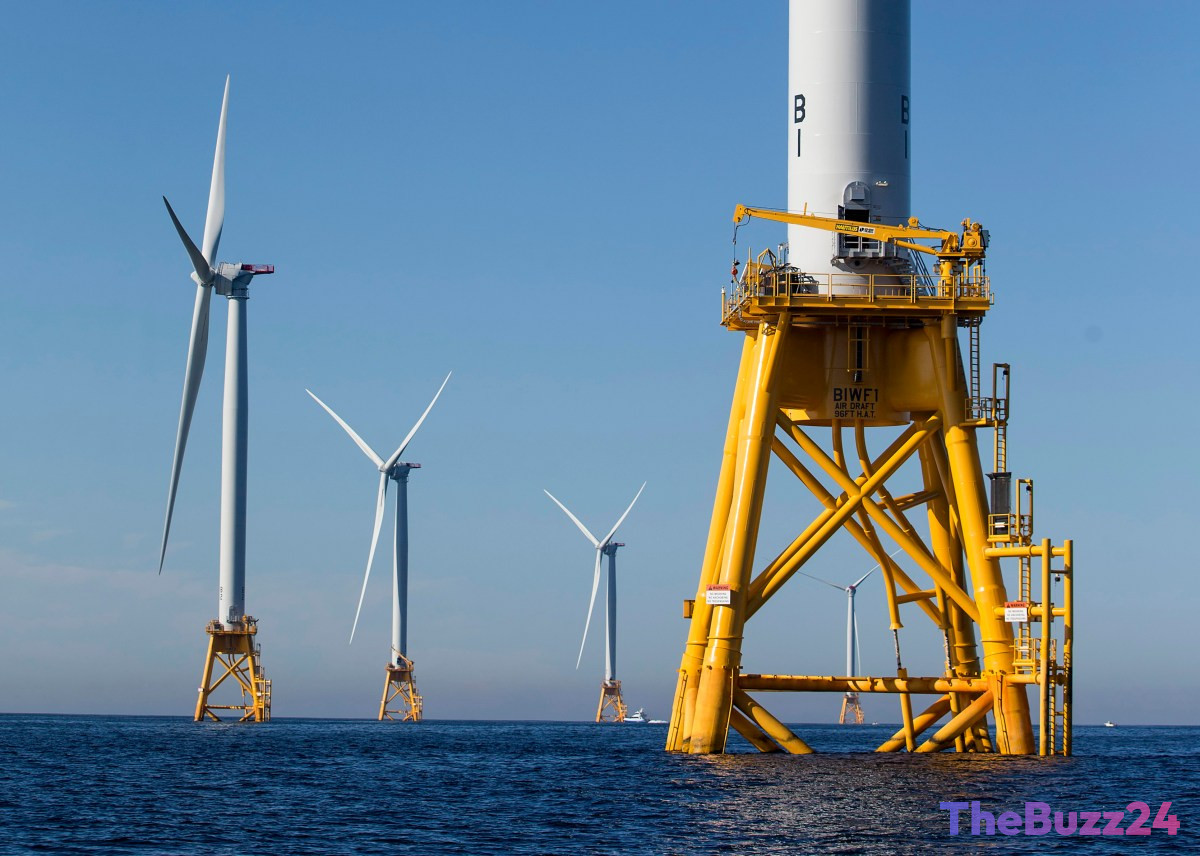
A wave of regulatory hurdles and permitting delays under the current administration is threatening to stall up to 92 gigawatts (GW) of clean energy projects across the United States. This bottleneck comes at a critical juncture, as the rapid expansion of artificial intelligence (AI) and data centers drives domestic electricity demand to unprecedented heights. Already, policy shifts and the withdrawal of federal funding have resulted in the cancellation of 7 GW of planned generating capacity on public lands, with billions of dollars in private and public investments hanging in the balance.
The financial stakes are immense, with more than $121 billion in energy sector investments currently at risk. Industry forecasts warn that an additional 12 GW of projects on federal land and up to 80 GW on private property could face cancellation due to heightened regulatory scrutiny. This regulatory friction stems largely from a directive issued by Interior Secretary Doug Burgum aimed at curbing wind and solar developments. The policy represents a sharp pivot for Burgum, who previously championed wind energy expansion and carbon-neutral goals during his tenure as governor of North Dakota.
The crackdown primarily targets solar installations near private wetlands and wind farms facing airspace restrictions, with energy storage projects also caught in the crosshairs. States like Oregon, Alabama, Maine, Minnesota, and Montana are experiencing the brunt of these permitting challenges. Meanwhile, the Federal Energy Regulatory Commission (FERC) has attempted to fast-track grid connections, but regional bottlenecks remain severe. In response to the gridlock and rising power needs, several major technology firms are bypassing traditional utility networks altogether to construct their own dedicated, on-site power plants.
This supply squeeze coincides with a projected threefold increase in data center electricity consumption by 2035. Historically, renewable energy has been the primary driver of new U.S. power capacity, accounting for nearly 90% of the record 53 GW added recently. As regulatory barriers tighten, industry experts warn that the mismatch between surging digital infrastructure demands and restricted clean energy supply could severely impact both economic growth and national climate objectives.
Key Takeaways
- Regulatory shifts and permitting delays threaten to derail up to 92 GW of clean energy capacity, putting over $121 billion in investments at risk.
- The tightening of energy regulations comes amid a massive surge in electricity demand, driven largely by the rapid expansion of AI data centers.
- To bypass grid bottlenecks and regulatory hurdles, some major technology companies are beginning to build their own on-site power generation facilities.
Editor’s Analysis & Impact
The escalating tension between regulatory tightening and the exponential growth of AI infrastructure highlights a critical vulnerability in the U.S. energy transition. While the administration’s policies aim to increase oversight on renewable projects, the timing could not be more challenging for the technology sector. AI data centers require massive, uninterrupted power supplies, which renewables and battery storage were poised to deliver. By stalling 92 GW of potential capacity, these permitting delays risk creating severe localized power shortages and inflating energy costs. Consequently, we expect to see a significant shift in corporate strategy, with tech giants increasingly investing in decentralized, off-grid power solutions, including private nuclear and advanced natural gas installations. Ultimately, this regulatory bottleneck may force a decoupling of high-tech industries from the public grid, reshaping the economics of both the utility and technology sectors.
Frequently Asked Questions
Q: Why are clean energy projects facing increased delays?
A: Projects are facing heightened scrutiny and permitting delays due to federal policy shifts, specifically directives aimed at regulating wind and solar developments over environmental and airspace concerns.
Q: How is the rise of AI affecting the U.S. power grid?
A: The rapid expansion of AI data centers is driving a massive surge in electricity demand, which is projected to triple by 2035, straining existing grid capacity and requiring significant new power generation.
Q: How are technology companies responding to these energy bottlenecks?
A: Due to grid connection delays and supply constraints, many tech companies are taking matters into their own hands by planning and building their own on-site power plants to guarantee reliable electricity for their data centers.
AI Disclosure: This article is based on verified data and official reports. Our Team and AI have cross-referenced every financial detail with primary sources to ensure total accuracy.
More from this Category