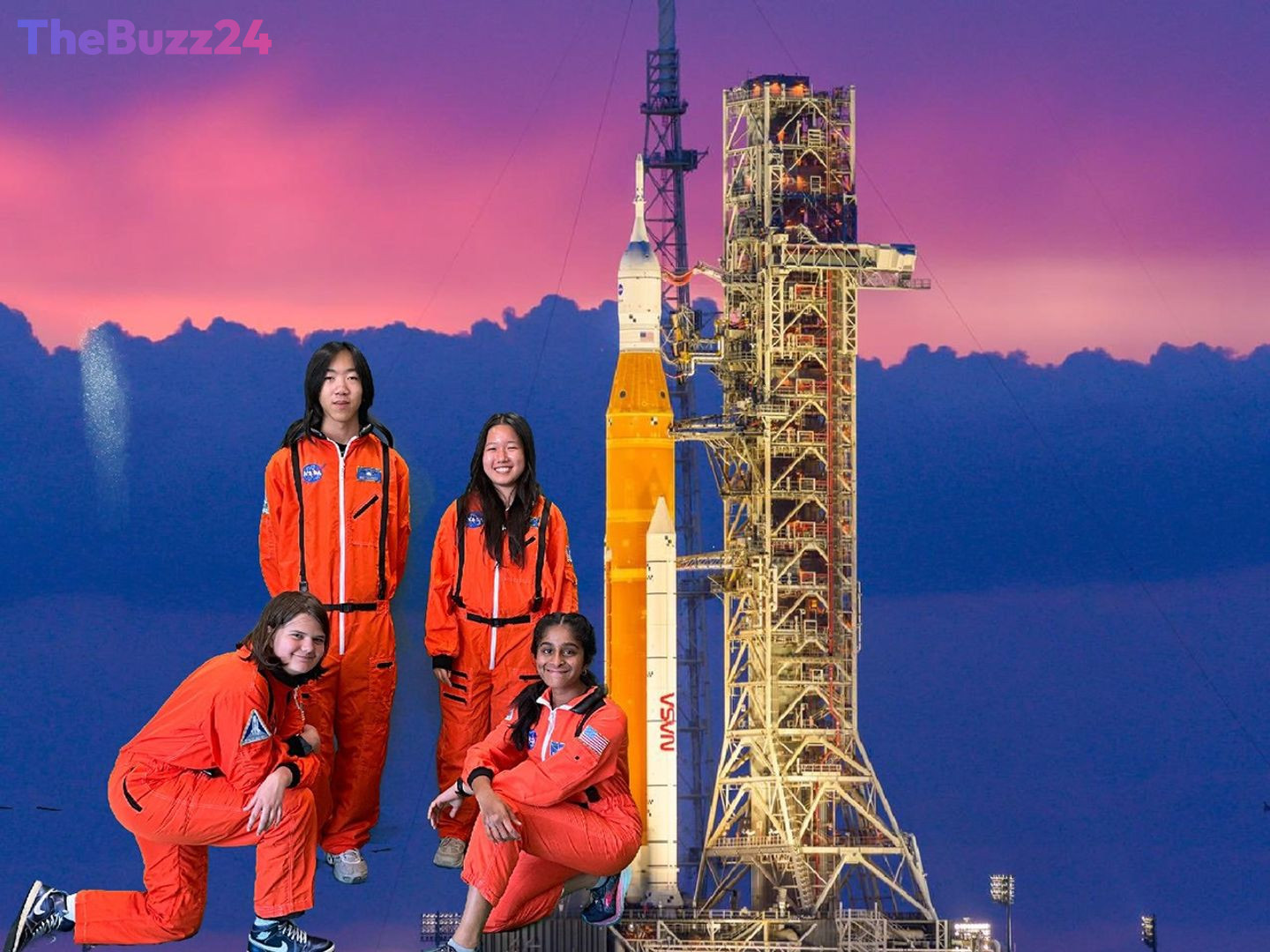
Young Innovators Tackle Venus Exploration in National STEM Challenge
The Northwest Earth and Space Science Pathways (NESSP) project has successfully concluded its 2025-2026 ROADS (Rover Observation And Discoveries in Space) from Earth to Venus National Challenge. This NASA Science Activation program initiative provided over 500 students, organized into 120 teams across eight states, with immersive science and engineering experiences centered on Venus exploration.
The program commenced with comprehensive professional development for educators in August 2025, equipping them to guide students through the challenge. From January to May 2026, registered teams actively engaged with the challenge’s checkpoints. To foster collaboration and showcase achievements, in-person Hub events were organized in April and May 2026, allowing students to present their work and interact with peers and NASA-inspired STEM activities.
Led by Central Washington University, NESSP is dedicated to connecting students and educators with NASA science through practical STEM learning. The ROADS framework is designed to mirror the authentic scientific and engineering processes involved in planetary exploration, challenging upper elementary, middle, and high school students to work collaboratively on mission-inspired tasks.
Throughout the academic year, student teams completed eight Mission Objectives covering science, engineering, teamwork, and communication. Their efforts included designing mission patches, modeling carbon cycles on Earth and Venus, investigating the greenhouse effect, conducting remote sensing with kite-mounted cameras, programming robotic rovers for Venus-like terrain, exploring NASA careers, and presenting their final mission narratives through virtual submissions and regional events. Several teams also participated in hands-on Hub events hosted by NESSP partner institutions, including Montana State University and Northern Arizona University, offering them a glimpse into college campuses and the broader STEM community.
Dr. Darci Snowden, Director of NESSP, expressed pride in the students’ accomplishments, stating, “The ROADS Challenge gives students the opportunity to do more than learn about NASA missions – they become part of the mission.” She highlighted the students’ initiative in tackling diverse objectives, from complex modeling to practical rover programming, emphasizing that their curiosity and motivation are key to developing confidence and skills for future careers in STEM.
NESSP recognized outstanding teams across all age divisions for their exceptional participation and detailed Mission Development Logs. Top honors were awarded to teams from Washington, Arizona, and Montana for their exemplary work in the Elementary, Middle, and High School categories. A virtual recognition ceremony, featuring student presentations and special acknowledgments, is available on the NESSP YouTube channel.
Key Takeaways
- Over 500 students across eight states participated in the ROADS from Earth to Venus National Challenge.
- The challenge involved authentic science and engineering tasks inspired by Venus exploration, including rover programming and remote sensing.
- NESSP aims to foster confidence and skills in students, encouraging them to see themselves as future scientists and engineers.
Editor’s Analysis & Impact
The ROADS from Earth to Venus National Challenge exemplifies a successful model for engaging young minds in critical STEM fields. By simulating real-world NASA missions, the program not only educates but also inspires the next generation of scientists and engineers. The emphasis on collaborative problem-solving, diverse scientific inquiry, and practical application of engineering principles prepares students for future academic and professional pursuits. This initiative highlights the growing importance of hands-on, mission-driven learning in STEM education, potentially influencing curriculum development and extracurricular programs nationwide. Its success suggests a strong demand for such authentic learning experiences, which are crucial for cultivating innovation and addressing future scientific challenges.
Frequently Asked Questions
Q: What is the ROADS from Earth to Venus National Challenge?
A: The ROADS from Earth to Venus National Challenge is a NASA Science Activation program designed by the Northwest Earth and Space Science Pathways (NESSP) project. It engages students in authentic science and engineering activities inspired by Venus exploration, encouraging them to work collaboratively on mission-like objectives.
Q: Who led the ROADS from Earth to Venus National Challenge?
A: The challenge was led by the Northwest Earth and Space Science Pathways (NESSP) project, with Central Washington University serving as the lead institution. Partner institutions included Montana State University and Northern Arizona University.
Q: Where can I find more information and resources from the challenge?
A: Educational resources and materials from the ROADS from Earth to Venus challenge, as well as previous ROADS challenges, are available on the NESSP website at www.nwessp.org. Highlights and student presentations can also be found on the NESSP YouTube channel.
AI Disclosure: This article is based on verified data and official reports. Our Team and AI have cross-referenced every financial detail with primary sources to ensure total accuracy.
More from this Category