Robotics Startup Proception Secures $11M Funding Following Legal Resolution with Tesla
Proception, a robotics startup founded by former Tesla technical lead Jay Li, has successfully resolved a trade secret lawsuit brought against it by the electric vehicle giant. The legal dispute, which centered on allegations regarding the misappropriation of proprietary technology from Tesla’s Optimus humanoid robot program, concluded with a settlement and the dismissal of the case. With the litigation behind it, the company is now pivoting its full attention toward the development of advanced, high-dexterity robotic hands.
To accelerate its growth, Proception announced an $11 million seed funding round led by First Round Capital, with additional participation from Y Combinator and BoxGroup. The company has simultaneously begun shipping its initial batch of robotic hands to research institutions and industry partners. Proception aims to position itself as a primary supplier for firms seeking to outsource the complex engineering challenges associated with dexterous manipulation, a field widely considered the ‘last mile’ of humanoid robotics development.
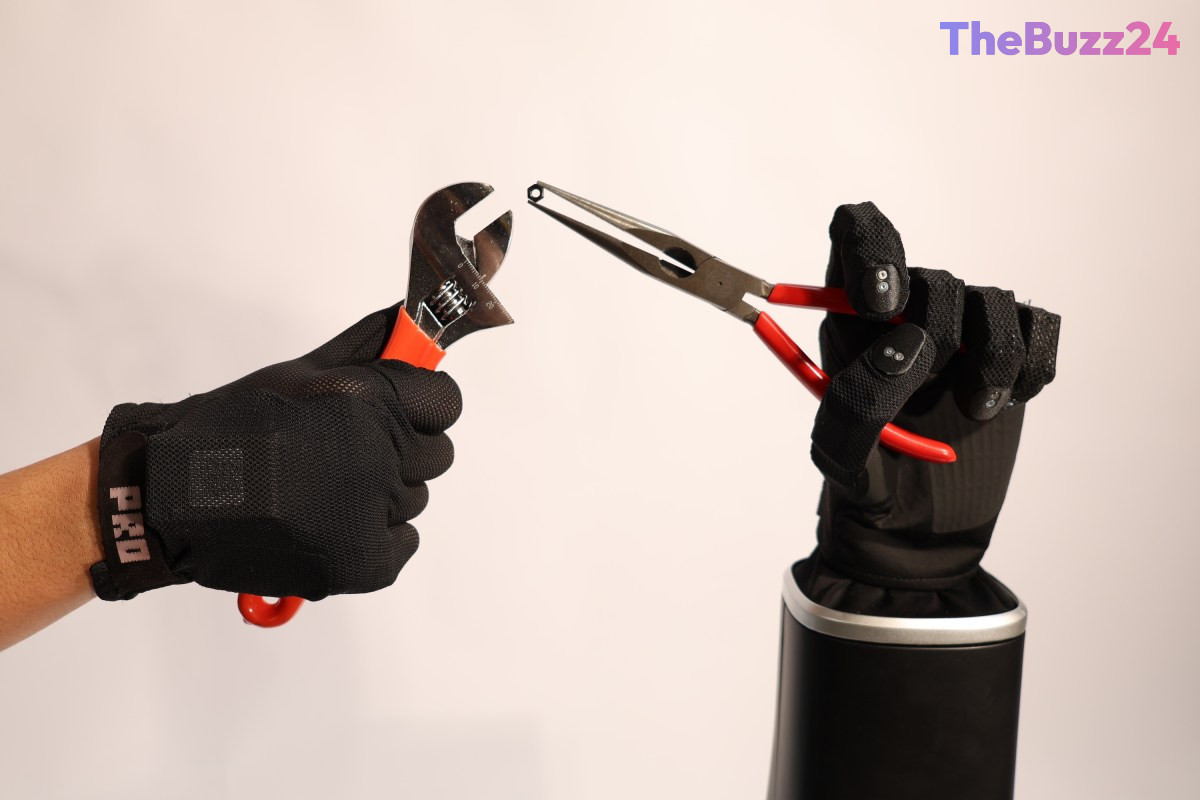
Proception’s technical approach distinguishes itself through a unique data collection method. While many competitors rely on teleoperation via virtual reality headsets, Proception utilizes a sensor-laden glove that allows human testers to capture intricate interaction data without the immediate need for a robot. This data is then integrated into the company’s hardware, which features 22 degrees of freedom. By combining scalable data collection with sophisticated hardware, the startup intends to bridge the gap between current robotic capabilities and the nuanced, human-like dexterity required for widespread industrial and commercial application.
Key Takeaways
- Proception raised $11 million in seed funding led by First Round Capital to advance its high-dexterity robotic hand technology.
- The startup has settled a trade secret lawsuit with Tesla, allowing the company to focus on commercializing its hardware and data collection systems.
- Proception utilizes a sensor-equipped glove to capture human hand interaction data, aiming to solve the industry-wide challenge of dexterous manipulation.
Editor’s Analysis & Impact
The resolution of the legal conflict between Proception and Tesla marks a significant turning point for the startup, effectively removing a major barrier to its market entry. The robotics industry is currently experiencing a surge in capital, yet the ‘dexterous manipulation’ problem remains a critical bottleneck for the widespread adoption of humanoid robots. By focusing specifically on the hand—often cited by industry leaders like Elon Musk as one of the most difficult engineering hurdles—Proception is positioning itself as a vital component supplier rather than just another humanoid manufacturer. If the company can successfully scale its sensor-based data collection model, it could become an essential partner for larger robotics firms, potentially accelerating the timeline for robots to perform complex, human-like tasks in real-world environments.
Frequently Asked Questions
Q: What is the primary focus of Proception's technology?
A: Proception focuses on developing high-dexterity robotic hands that mimic human movement, supported by a proprietary sensor-glove system that collects scalable data for training.
Q: Why is dexterous manipulation considered a challenge in robotics?
A: Dexterous manipulation involves the ability of a robot to handle objects with the same nuance and precision as a human hand, which requires complex hardware and massive amounts of high-quality interaction data that is currently difficult to scale.
AI Disclosure: This article is based on verified data and official reports. Our Team and AI have cross-referenced every financial detail with primary sources to ensure total accuracy.
More from this Category