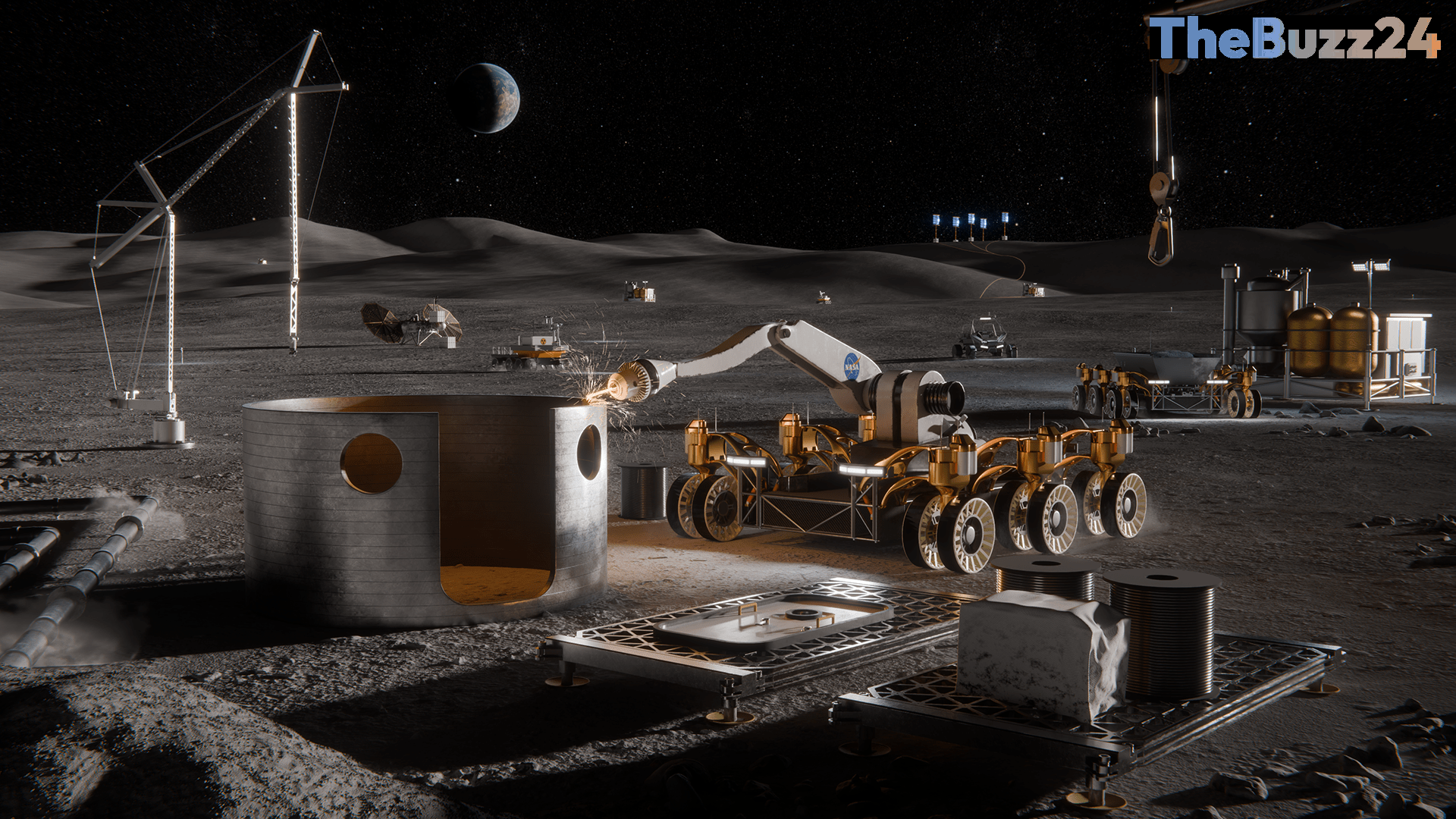
NASA Accelerates Lunar Infrastructure Development with New Technology Solicitation
NASA has officially released a draft Broad Agency Announcement (BAA) under the NextSTEP-3 program, specifically targeting the advancement of critical technologies required for long-term lunar surface operations. The initiative, known as Appendix A, aims to bridge existing technological gaps that are essential for establishing a sustainable presence on the Moon and within cislunar space.
The solicitation focuses on a diverse range of infrastructure needs, including the development of vertical solar arrays, in-situ resource utilization (ISRU) systems for oxygen production, and Stirling radioisotope generators. By prioritizing these areas, the agency intends to mature competing solutions to a Technology Readiness Level (TRL) of 5 or 6, ensuring that hardware is sufficiently tested and reliable before being deployed in space missions.
Beyond power and life support, the program is also seeking innovations in in-space manufacturing and the production of advanced nanomaterials. These efforts are designed to reduce the reliance on Earth-based supply chains by enabling the creation of necessary tools and materials directly on the lunar surface. The funded projects will undergo rigorous ground-based testing to mitigate risks and validate the performance of these transformative systems for future lunar missions.
Key Takeaways
- NASA's NextSTEP-3 Appendix A solicitation aims to mature critical lunar technologies to TRL 5-6 through ground-based testing.
- Key focus areas include vertical solar arrays, oxygen production via ISRU, and Stirling radioisotope generators.
- The program emphasizes in-space manufacturing and nanomaterials to decrease logistical dependence on Earth for lunar missions.
Editor’s Analysis & Impact
The release of the NextSTEP-3 Appendix A solicitation marks a pivotal shift from conceptual lunar planning to the practical engineering of a sustainable lunar economy. By focusing on TRL 5-6, NASA is effectively de-risking the supply chain for the Artemis program and beyond. The emphasis on ISRU and in-space manufacturing is particularly significant; it signals a move toward ‘living off the land,’ which is the only viable path for long-duration human presence on the Moon. Industry players involved in energy, advanced materials, and robotics should view this as a clear roadmap for government-backed R&D. As these technologies mature, we can expect a surge in private-sector partnerships aimed at building the infrastructure necessary for a permanent lunar base, ultimately setting the stage for future deep-space exploration missions to Mars.
Frequently Asked Questions
Q: What is the primary goal of the NextSTEP-3 Appendix A solicitation?
A: The goal is to accelerate the technological readiness of critical systems for lunar surface and cislunar architecture by funding ground-based testing and risk reduction.
Q: What does TRL 5-6 mean in this context?
A: Technology Readiness Level (TRL) 5-6 indicates that a technology has been validated in a relevant environment or demonstrated in a laboratory setting, moving it closer to flight-ready status.
Q: Why is in-situ resource utilization (ISRU) important for lunar missions?
A: ISRU allows missions to produce essential supplies, such as oxygen, using local lunar materials, which significantly reduces the cost and logistical complexity of transporting resources from Earth.
AI Disclosure: This article is based on verified data and official reports. Our Team and AI have cross-referenced every financial detail with primary sources to ensure total accuracy.
More from this Category