US and China Vie for Global Tech Dominance: AI, Data Centers, and Supply Chains Emerge as Key Battlegrounds
The global technology landscape is increasingly defined by a fierce rivalry between the United States and China, as both nations strategically position themselves to lead in critical sectors like artificial intelligence and data infrastructure. This competition is no longer confined to their domestic markets but is actively playing out on the international stage, with significant implications for global supply chains and economic growth.
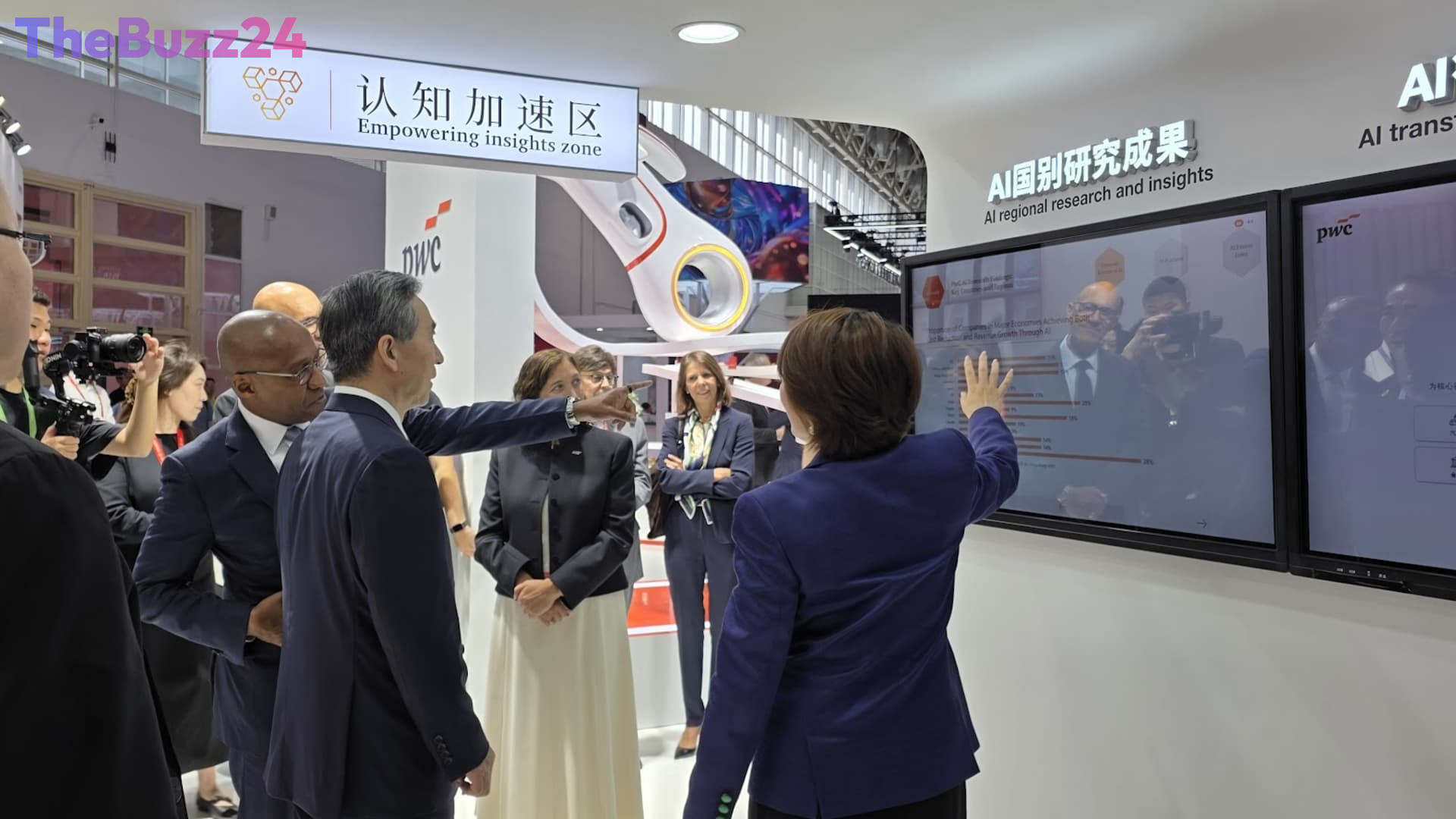
Chinese tech companies are demonstrating aggressive expansion, particularly in AI and data center development, aiming to capture a larger share of the global market. Market strategists note that many of these firms prioritize market penetration over immediate profit, a tactic that could reshape pricing and functionality standards worldwide. The integration of AI into industrial processes is seen as a major growth area, with projections suggesting it will create jobs and opportunities both within China and in countries that adopt Chinese technological solutions. This push is underscored by initiatives like the China International Supply Chain Expo, which aims to bolster industrial security and highlight China’s role in global innovation.
In response, the U.S. is actively working to secure its own technological interests and influence global standards. Initiatives like the “Pax Silica” program aim to build alliances for resilient tech supply chains, encouraging international partners to align with U.S. technological frameworks rather than develop independent systems. The U.S. is also fostering collaborations with academic institutions and promoting its AI capabilities at international forums, even when held within China. American companies operating in China are navigating this complex environment by forming strategic partnerships, integrating their systems with Chinese platforms to maintain market access and leverage local opportunities.
The battle for technological supremacy extends to cloud computing, with Chinese giants like Alibaba rapidly expanding their data center footprint in Europe and Asia. This expansion directly challenges the dominance of established American cloud providers and highlights the growing demand for data infrastructure in the Asia-Pacific region. As both nations pour resources into AI development and global infrastructure, the competition is evolving beyond just advanced algorithms to encompass entire technological ecosystems, setting the stage for a prolonged and dynamic global tech race.
Key Takeaways
- The US and China are engaged in a significant global tech rivalry, focusing on AI and data center expansion.
- Chinese tech companies are prioritizing market share and expanding internationally, while the US is working to secure supply chains and promote its own technologies.
- The competition is extending to cloud computing infrastructure, with both nations investing heavily in data centers worldwide.
Editor’s Analysis & Impact
The intensifying US-China tech rivalry signifies a critical juncture for the global economy. The strategic expansion of Chinese AI and data center capabilities, coupled with the US’s efforts to solidify its technological alliances and supply chain security, suggests a bifurcated global tech market may be emerging. Companies worldwide will need to navigate this complex geopolitical landscape, balancing access to innovation with concerns over technological sovereignty and market access. The focus on industrial integration and ecosystem development indicates that future competition will be less about individual products and more about comprehensive technological solutions, potentially driving significant advancements but also increasing geopolitical risks.
Frequently Asked Questions
Q: What is the 'Pax Silica' initiative?
A: 'Pax Silica' is a U.S. initiative aimed at securing global technology supply chains by fostering collaboration with international partners to support and develop resilient tech ecosystems, encouraging alignment with U.S. technological standards.
Q: How are Chinese tech companies competing globally in AI?
A: Chinese tech companies are launching low-cost AI models with capabilities comparable to American-made ones and are focusing on industrial integration. They are also heavily investing in global data center infrastructure and promoting their open-source AI models.
Q: What is the significance of data center expansion in Asia?
A: The Asia-Pacific region is projected to account for a substantial portion of global data center demand by 2030. Both Chinese and American tech giants are investing heavily in building data centers there to serve growing local and regional markets, reducing latency and improving service reliability.
AI Disclosure: This article is based on verified data and official reports. Our Team and AI have cross-referenced every financial detail with primary sources to ensure total accuracy.
More from this Category