Uber and Waymo Conclude Phoenix Robotaxi Pilot as Autonomous Landscape Shifts
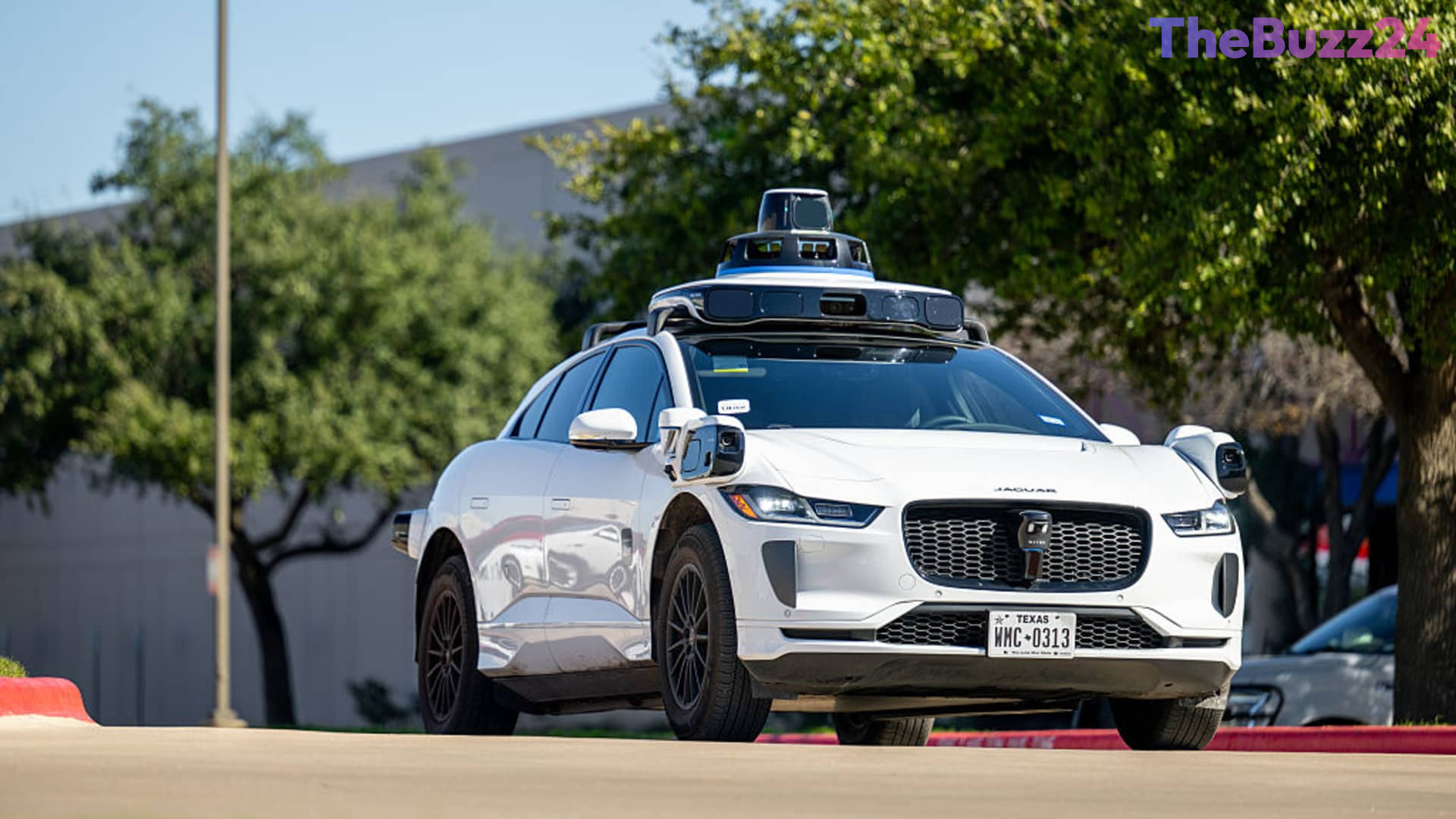
The pioneering autonomous vehicle partnership between Uber and Alphabet’s Waymo has officially concluded its pilot program in Phoenix, Arizona. The initiative, which featured a limited fleet of just over a dozen self-driving vehicles, has wrapped up after providing valuable operational insights. While the Phoenix pilot has ended, the vehicles previously dedicated to the program will remain active in the region, transitioning to autonomous delivery services through a partnership with DoorDash, a direct competitor to Uber Eats.
Despite the conclusion of the Phoenix trial, the collaboration between the two transport giants remains robust in other major markets. Hundreds of Waymo autonomous vehicles continue to operate exclusively on the Uber platform in Austin, Texas, and Atlanta, Georgia. Waymo, which commands a fleet of approximately 4,000 self-driving vehicles across the United States, primarily offers its ride-hailing services through its proprietary app in nine other cities, and plans to launch a non-exclusive partnership with Lyft in Nashville later this year.
The end of the Phoenix pilot comes at a time of intensifying competition in the autonomous ride-hailing sector. Uber is actively seeking a new autonomous vehicle partner to fill the void in Phoenix, while continuing to expand its broader self-driving network. Uber CEO Dara Khosrowshahi recently highlighted a tenfold year-over-year increase in autonomous trips on the platform, supported by alliances with industry players like Zoox, Rivian, Pony.AI, and Verne. Meanwhile, competitors are rapidly moving into the Arizona market; Amazon-backed Zoox plans to launch testing in Phoenix this year, and Tesla has secured permits to test and operate its own ride-hailing services in the state.
For Waymo, the transition of its Phoenix fleet to delivery services represents a strategic diversification of its autonomous operations. The company has maintained its position as the market leader in the U.S. driverless space, even as it navigates minor regulatory hurdles, including recent voluntary software recalls to address navigation issues in construction zones. As the autonomous vehicle ecosystem matures, the shifting alliances between ride-hailing platforms and software developers highlight the fluid nature of this high-stakes industry.
Key Takeaways
- Uber and Waymo have ended their small-scale robotaxi pilot in Phoenix, though their exclusive partnerships in Austin and Atlanta remain active.
- The Waymo vehicles from the Phoenix pilot are being redeployed to handle autonomous deliveries for DoorDash, intensifying competition in the food delivery space.
- The Phoenix autonomous market remains highly competitive, with Uber seeking a new partner, Amazon's Zoox planning an entry, and Tesla holding permits to test and operate.
Editor’s Analysis & Impact
The conclusion of the Uber-Waymo pilot in Phoenix underscores the evolving dynamics of the autonomous vehicle (AV) sector, where partnerships are tactical rather than permanent. Uber’s strategy relies on being the ultimate demand aggregator for AV fleets, but Waymo’s decision to shift its Phoenix vehicles to DoorDash demonstrates that hardware operators hold significant leverage and can easily pivot to rival platforms. This move intensifies the battle in the autonomous delivery space. Furthermore, with tech giants like Amazon’s Zoox and Tesla securing regulatory footholds in Arizona, Phoenix remains a critical battleground. For investors and industry observers, the takeaway is clear: the AV market is transitioning from experimental technology to a highly competitive commercial arena where platform exclusivity is rare, and multi-partner strategies will define the next phase of growth.
Frequently Asked Questions
Q: Why did Uber and Waymo end their pilot program in Phoenix?
A: The Phoenix program was designed as an intentionally limited, small-scale pilot to gather operational data. Having achieved its learning objectives, the pilot concluded, allowing both companies to focus on larger, exclusive rollouts in Austin and Atlanta.
Q: What will happen to the Waymo vehicles previously used in the Phoenix Uber pilot?
A: The vehicles will remain in Phoenix but will be repurposed to perform autonomous deliveries in partnership with DoorDash, a major competitor to Uber's food delivery service.
Q: Are other autonomous vehicle companies planning to operate in Phoenix?
A: Yes. Amazon-owned Zoox plans to expand its testing and driverless ride-hailing services to Phoenix, while Tesla has secured permits to test autonomous vehicles and operate a ride-hailing service in Arizona.
AI Disclosure: This article is based on verified data and official reports. Our Team and AI have cross-referenced every financial detail with primary sources to ensure total accuracy.
More from this Category