Supreme Court Reshapes Federal Oversight: Fed Independence Upheld, Agency Protections Weakened
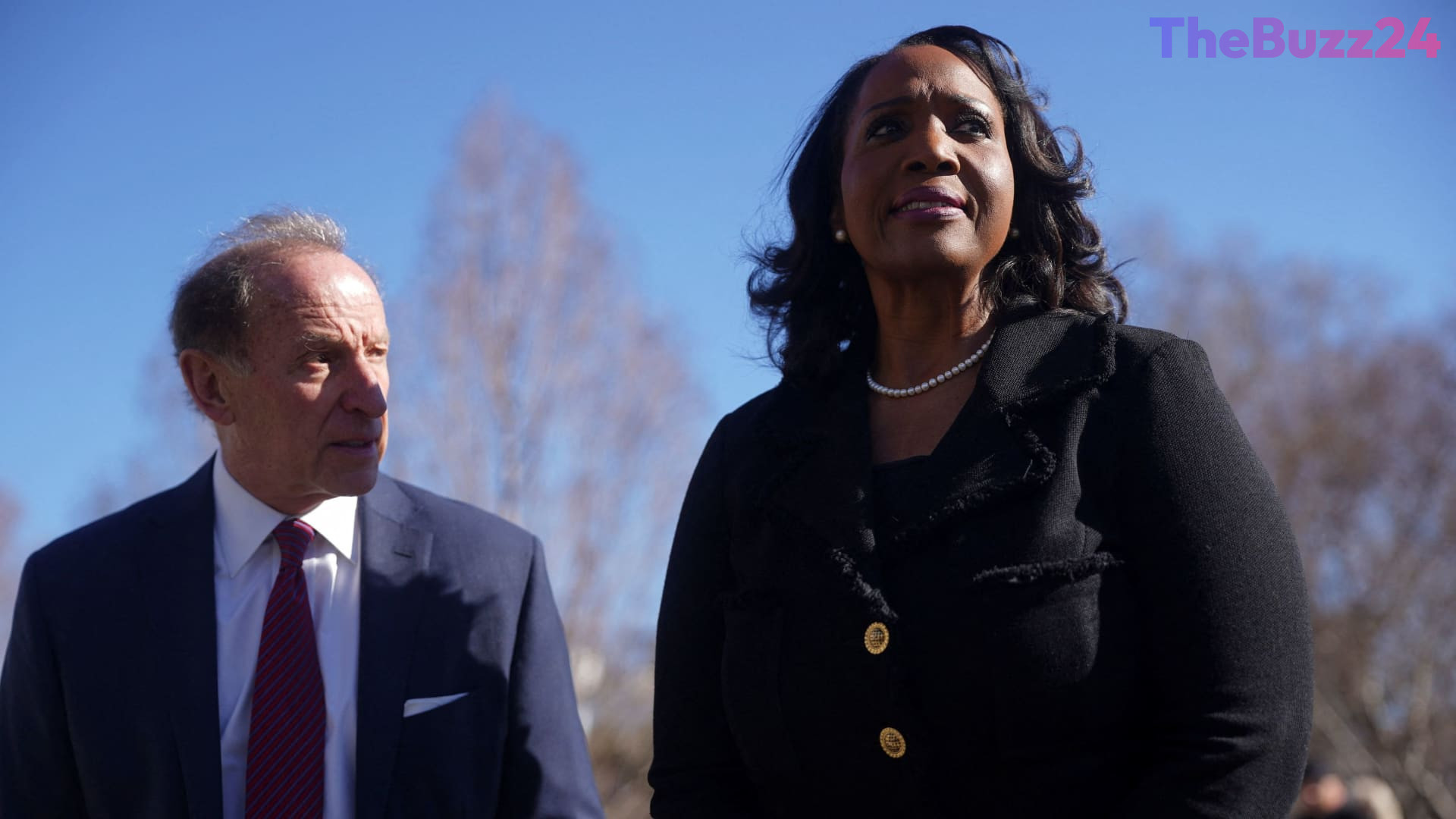
The Supreme Court issued two landmark rulings this week that fundamentally alter the landscape of federal regulatory authority. In a 5-4 decision, the Court protected the independence of the Federal Reserve, ruling that President Donald Trump failed to meet the legal threshold required to remove Governor Lisa Cook. Chief Justice John Roberts emphasized that the Federal Reserve’s design relies on both the fact and appearance of independence from political interference, noting that treating such roles as at-will employment would contradict long-standing statutory protections.
While the ruling provides a temporary shield for the central bank, the Court noted that the case is not entirely closed. The justices indicated that the administration could theoretically initiate a new process to present evidence for a ‘for-cause’ removal, provided the official is granted due process to respond to specific allegations. For now, however, the decision prevents an immediate shift in monetary policy control, which economists warn could have led to artificially low interest rates and long-term inflationary pressure.
In a separate 6-3 ruling, the Court delivered a significant victory to the executive branch regarding independent agencies like the Federal Trade Commission (FTC). The justices determined that for-cause removal protections for commissioners are inconsistent with the Constitution’s separation of powers. This decision effectively grants the President the authority to dismiss members of independent agencies, including the Securities and Exchange Commission and the Commodity Futures Trading Commission, without needing to establish specific cause.
Critics of the FTC ruling argue that this shift will lead to regulatory ‘whiplash,’ where consumer protections and market oversight policies swing violently between administrations. By removing the bipartisan buffer that has historically insulated these agencies, the ruling may create a more volatile environment for businesses and consumers alike, as regulatory priorities become increasingly tied to the political agenda of the sitting President.
Key Takeaways
- The Supreme Court ruled that Federal Reserve governors maintain 'for-cause' removal protections, preserving the central bank's independence from immediate political pressure.
- A separate ruling granted the President the power to fire members of independent agencies like the FTC, citing constitutional separation of powers.
- Experts warn that the FTC decision could lead to increased regulatory volatility, potentially impacting consumer protections and market stability as policies shift with each administration.
Editor’s Analysis & Impact
These rulings represent a pivotal moment in the balance of power between the executive branch and independent federal agencies. By reinforcing the Federal Reserve’s autonomy, the Court has signaled a desire to maintain stability in monetary policy, which is essential for global market confidence. Conversely, the decision to weaken removal protections for agencies like the FTC marks a significant expansion of presidential authority. This creates a future outlook where regulatory bodies—previously designed to be insulated, bipartisan, and long-term—become extensions of the current administration’s political platform. The broader implication is a shift toward a ‘pendulum’ style of governance, where businesses and consumers must prepare for rapid, cyclical changes in oversight, antitrust enforcement, and financial regulation, potentially increasing compliance costs and market uncertainty.
Frequently Asked Questions
Q: Why is the independence of the Federal Reserve considered important for the economy?
A: Independence allows the Fed to make long-term decisions regarding interest rates and inflation without the pressure to artificially boost the economy for short-term political gain, which could otherwise lead to overheating and long-term financial instability.
Q: What does the Supreme Court's ruling on the FTC mean for independent agencies?
A: The ruling effectively removes the 'for-cause' removal protections for commissioners, meaning the President can now replace members of agencies like the FTC and SEC more easily, potentially aligning these agencies more closely with the administration's political priorities.
AI Disclosure: This article is based on verified data and official reports. Our Team and AI have cross-referenced every financial detail with primary sources to ensure total accuracy.
More from this Category