Supreme Court Upholds Mississippi Mail-In Ballot Law, Prompting Renewed Push for Election Reform
The Supreme Court has issued a 5-4 ruling affirming that Mississippi may continue to count absentee ballots that are postmarked by Election Day but arrive up to five days afterward. The decision effectively rejects a legal challenge brought by the Republican National Committee, which argued that federal statutes mandate all ballots must be received by the close of polls on Election Day. The majority opinion, authored by Justice Amy Coney Barrett, clarified that federal election-day statutes do not preempt state-level laws that allow for a grace period for mail-in ballots.
This ruling represents a significant setback for efforts to restrict mail-in voting procedures. The decision was supported by a coalition of justices, including Chief Justice John Roberts and the court’s three liberal members. In a dissenting opinion, Justice Samuel Alito argued that the practice of counting ballots after Election Day effectively delays the finalization of the electorate’s choice, suggesting that federal law should preclude such extensions.
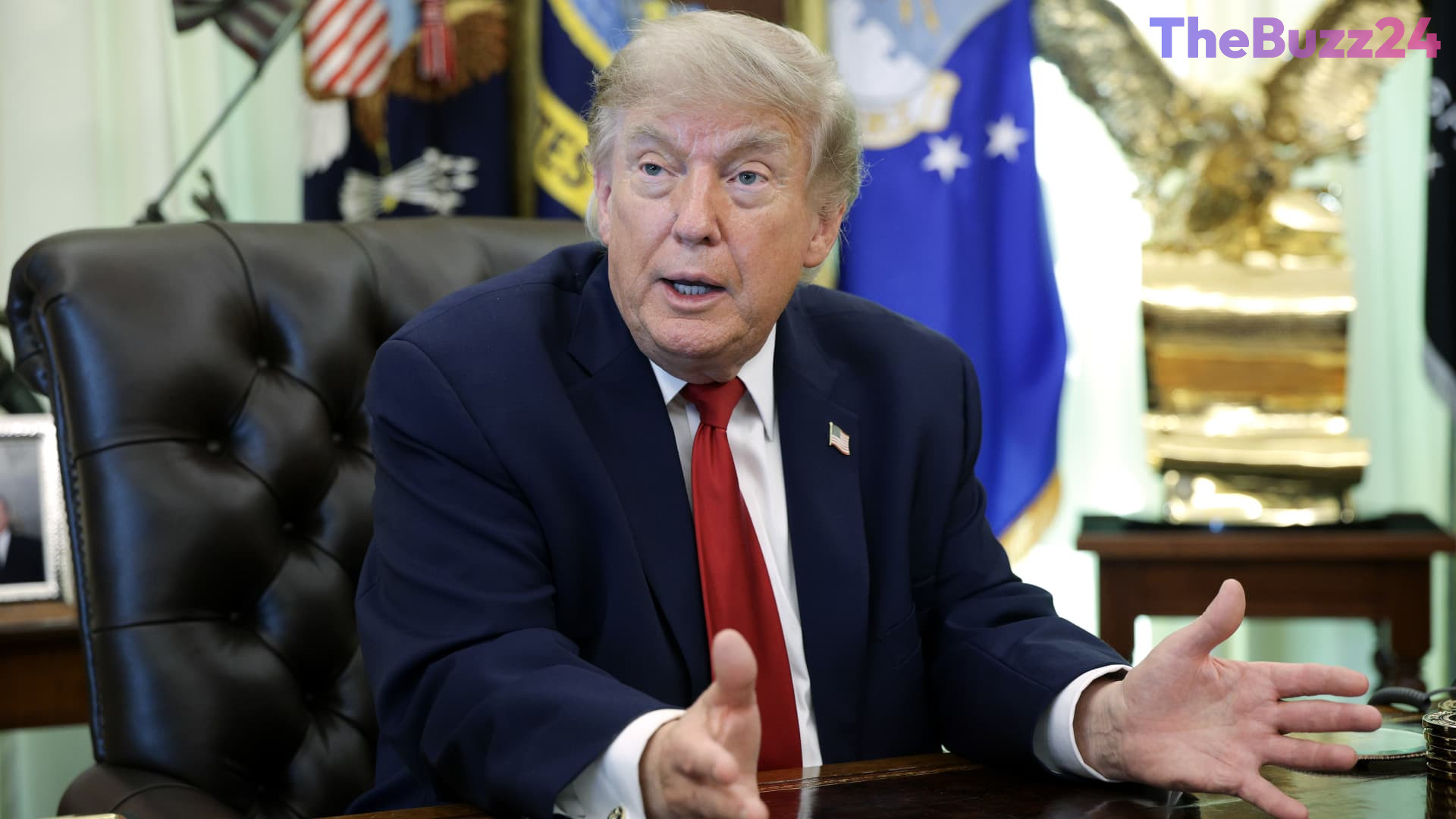
In response to the court’s decision, Donald Trump expressed strong disapproval, characterizing the ruling as a detriment to election integrity. He has intensified his advocacy for the SAVE America Act, a legislative proposal that seeks to implement stricter nationwide requirements for voter identification and limit mail-in voting options. Despite his push to include the bill in budget reconciliation packages to bypass the Senate filibuster, the proposal faces significant hurdles, including opposition from several members of his own party and resistance from Senate leadership regarding procedural changes.
Key Takeaways
- The Supreme Court ruled 5-4 that Mississippi can continue counting absentee ballots postmarked by Election Day but received within five days after.
- The decision rejected the Republican National Committee's argument that federal law requires all ballots to be received by the end of Election Day.
- Donald Trump is leveraging the ruling to pressure Congress to pass the SAVE America Act, which would impose stricter national voter ID and mail-in ballot regulations.
Editor’s Analysis & Impact
The Supreme Court’s decision to uphold Mississippi’s absentee ballot law underscores a persistent tension between state-level election administration and federal oversight. By rejecting the argument that federal statutes mandate a strict Election Day receipt deadline, the Court has signaled a reluctance to impose uniform national standards that would invalidate existing state practices. For the political landscape, this ruling serves as a catalyst for the ongoing debate over election security versus voter access. The push for the SAVE America Act highlights a broader strategy to nationalize election rules, yet the internal Republican resistance suggests that legislative success remains unlikely. Moving forward, this case will likely influence how other states approach their own mail-in ballot deadlines, potentially leading to a patchwork of regulations that will continue to be a focal point of litigation in future election cycles.
Frequently Asked Questions
Q: What did the Supreme Court decide regarding Mississippi's mail-in ballots?
A: The Court ruled that Mississippi is permitted to count absentee ballots that are postmarked by Election Day as long as they are received within five days after the election.
Q: What is the SAVE America Act?
A: The SAVE America Act is a proposed bill championed by Donald Trump that aims to implement stricter nationwide election rules, including mandatory proof of citizenship for voters and limitations on mail-in voting.
AI Disclosure: This article is based on verified data and official reports. Our Team and AI have cross-referenced every financial detail with primary sources to ensure total accuracy.
More from this Category