Automotive Industry Braces for Uncertainty as USMCA Extension Stalls
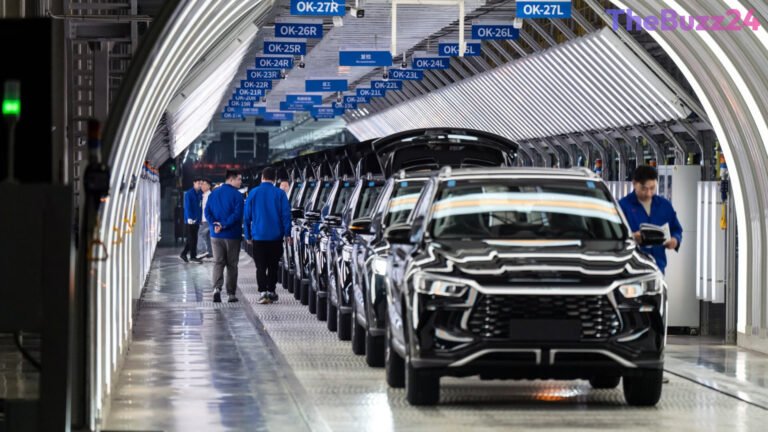
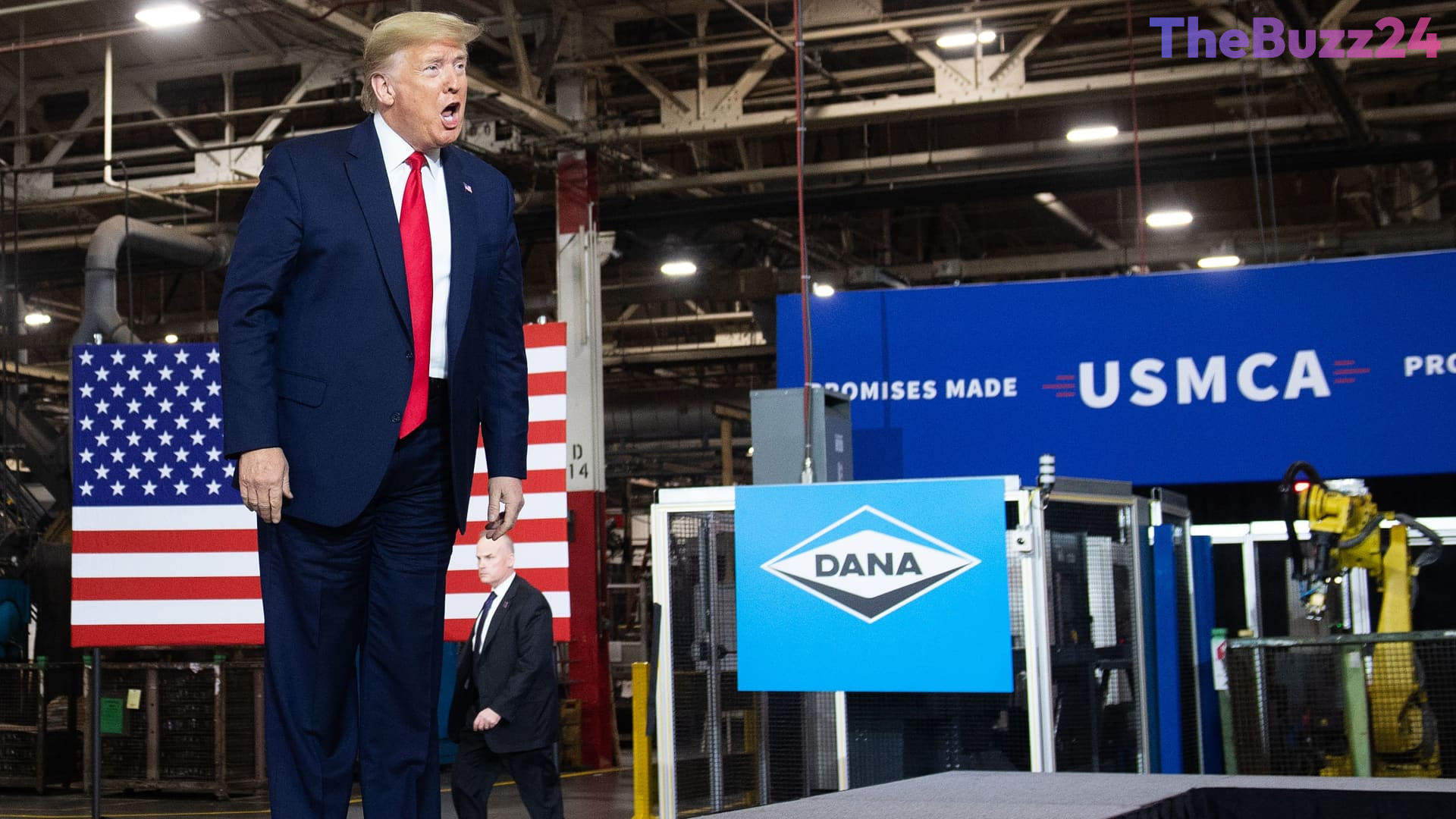
The North American automotive sector is facing a period of significant instability as the United States, Mexico, and Canada fail to reach an agreement on extending the United States-Mexico-Canada Agreement (USMCA). With the deadline for a 16-year extension passing without a consensus, the trade pact now faces a transition into an annual review process, raising concerns among manufacturers about long-term investment and job security. The automotive industry, which accounts for roughly 18% of trade between the three nations, is particularly vulnerable to shifts in regulatory frameworks.
At the heart of the tension are the ‘rules of origin’ requirements, which dictate the percentage of vehicle components that must be sourced within North America to qualify for duty-free status. Current negotiations suggest the U.S. is pushing for more stringent requirements, potentially raising the regional value content threshold and specifically demanding a higher percentage of U.S.-based production. Industry experts warn that these aggressive demands could lead to unintended consequences, such as increased production costs or a shift in manufacturing strategies that might ultimately undermine the goal of boosting domestic output.
Automakers have expressed a strong preference for maintaining a stable, trilateral agreement that fosters economic integration rather than fragmentation. Having already invested billions to align with existing USMCA standards, companies are wary of the potential for a prolonged, unpredictable negotiation period. As the U.S. government seeks to decouple supply chains from China and prioritize domestic manufacturing, the industry remains caught in a complex web of geopolitical maneuvering that threatens to disrupt the highly integrated North American supply chain.
Key Takeaways
- The failure to secure a 16-year extension for the USMCA has triggered an annual review process, creating long-term uncertainty for North American automakers.
- U.S. negotiators are pushing for stricter rules of origin, specifically aiming to increase the percentage of vehicle content manufactured domestically.
- Industry experts warn that overly aggressive trade requirements could lead to higher vehicle costs and potentially discourage investment if compliance becomes financially unfeasible.
Editor’s Analysis & Impact
The current impasse regarding the USMCA reflects a broader shift in U.S. trade policy, moving away from traditional regional integration toward a more protectionist ‘America First’ manufacturing strategy. By attempting to force a higher percentage of U.S. content into vehicles, the administration is effectively challenging the deeply integrated supply chains that have defined the North American auto industry for decades. The primary risk is that these policies may inadvertently increase costs for consumers and manufacturers alike, potentially making North American vehicles less competitive globally. Looking ahead, the success of these negotiations will depend on whether the U.S. can balance its domestic manufacturing goals with the practical realities of a globalized supply chain. If the talks remain stalled or become overly punitive, the industry may see a significant cooling in capital expenditure as firms wait for regulatory clarity.
Frequently Asked Questions
Q: Why are the 'rules of origin' so important to the auto industry?
A: Rules of origin determine whether a vehicle qualifies for duty-free trade between the U.S., Mexico, and Canada. If a vehicle does not meet these specific content requirements, it may be subject to tariffs, which significantly increases the cost of production and the final price for consumers.
Q: What is the primary goal of the U.S. in these new negotiations?
A: The U.S. aims to strengthen domestic manufacturing by requiring a higher percentage of vehicle parts to be produced within the United States, while simultaneously attempting to reduce reliance on supply chains linked to China.
AI Disclosure: This article is based on verified data and official reports. Our Team and AI have cross-referenced every financial detail with primary sources to ensure total accuracy.
More from this Category