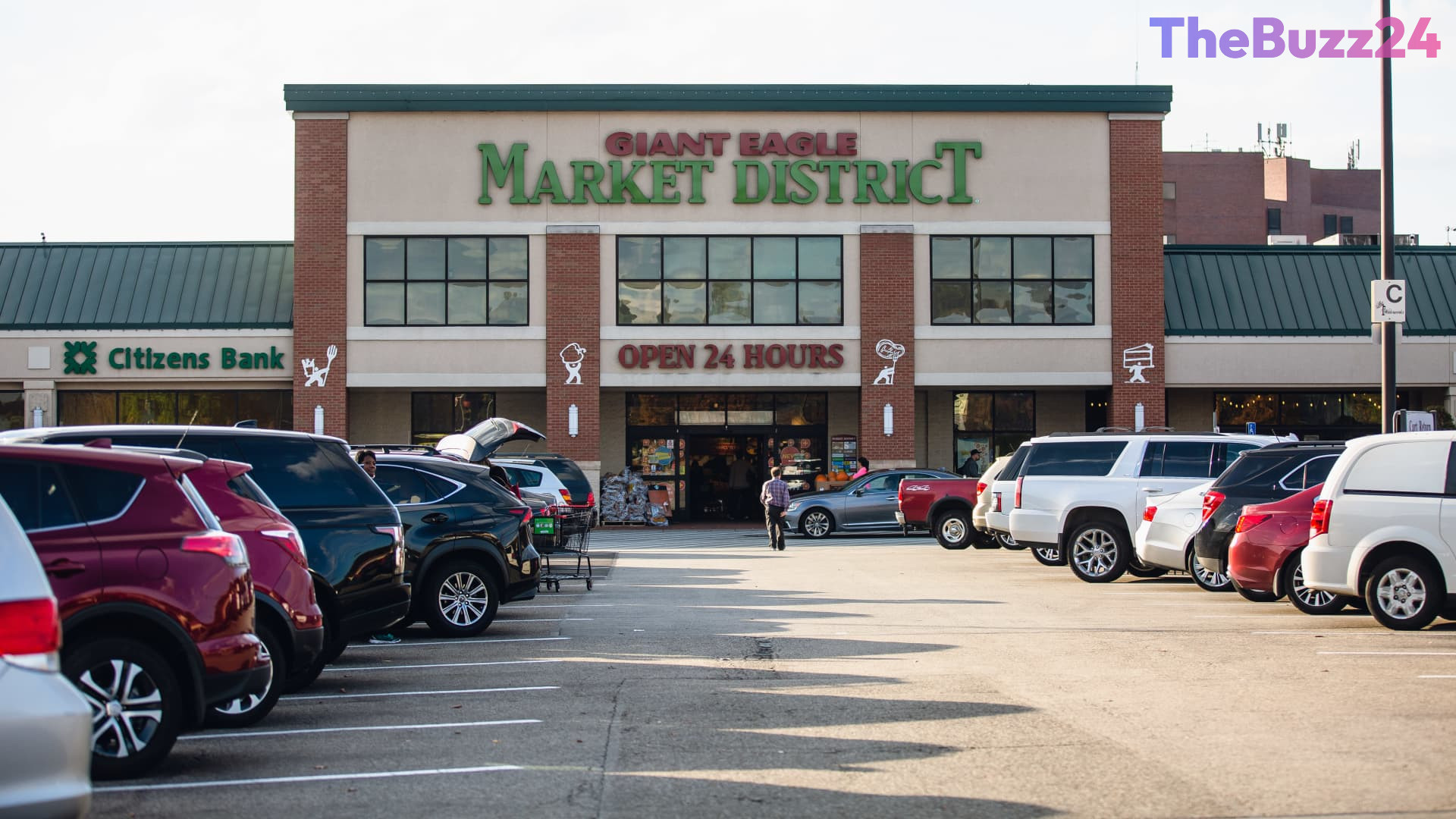
Kroger Expands Midwest Footprint with $1.65 Billion Acquisition of Giant Eagle
Kroger has announced a definitive agreement to acquire the regional supermarket chain Giant Eagle in a transaction valued at $1.65 billion. This strategic move is designed to bolster the company’s market share across the Midwest and Mid-Atlantic regions, marking a significant expansion effort as the retail landscape faces mounting pressure from discount competitors and e-commerce giants.
The acquisition represents a major milestone for Kroger, serving as the first significant deal under the leadership of CEO Greg Foran. The move follows the collapse of Kroger’s proposed $25 billion merger with Albertsons earlier in 2024. By absorbing Giant Eagle, which operates approximately 197 supermarkets and 11 pharmacies across states including Ohio, Pennsylvania, and West Virginia, Kroger aims to capture a more resilient demographic of shoppers.
Financially, the deal is structured as $1.25 billion in cash, with Kroger also assuming roughly $400 million in existing liabilities. The company anticipates the transaction will close by 2027 and expects it to become accretive to adjusted earnings within two years of completion. Despite the capital outlay, Kroger has committed to maintaining its current dividend and $2 billion share repurchase program, signaling confidence in its long-term balance sheet stability.
This consolidation comes at a pivotal moment for the grocery industry, as traditional retailers struggle to retain value-conscious consumers who are increasingly turning to discounters like Aldi or specialty stores. Kroger intends to leverage its scale to implement price cuts on thousands of essential items, utilizing improved supply chain technology and direct imports to remain competitive against rivals like Walmart and Amazon.
Key Takeaways
- Kroger is acquiring Giant Eagle for $1.65 billion to expand its presence in the Midwest and Mid-Atlantic regions.
- The deal includes $1.25 billion in cash and the assumption of $400 million in debt, with an expected closing date in 2027.
- The acquisition is part of a broader strategy to compete with discount retailers and e-commerce giants by increasing scale and operational efficiency.
Editor’s Analysis & Impact
The acquisition of Giant Eagle signals a shift in Kroger’s growth strategy toward regional consolidation following the regulatory failure of the Albertsons merger. By targeting a chain with a loyal, older demographic, Kroger is attempting to insulate itself from the ‘trade-down’ effect currently benefiting discount grocers. The industry is clearly entering a phase of defensive M&A, where scale is viewed as the primary defense against the margin compression caused by inflation and aggressive pricing from non-traditional competitors like Amazon. While the deal provides immediate geographic reach, the long-term success will depend on Kroger’s ability to integrate these stores without alienating Giant Eagle’s established customer base or losing focus on its core digital transformation efforts.
Frequently Asked Questions
Q: When is the Kroger and Giant Eagle deal expected to close?
A: The companies expect the transaction to be completed by 2027.
Q: How is Kroger funding the $1.65 billion acquisition?
A: The deal consists of $1.25 billion in cash and the assumption of approximately $400 million in Giant Eagle's outstanding liabilities.
AI Disclosure: This article is based on verified data and official reports. Our Team and AI have cross-referenced every financial detail with primary sources to ensure total accuracy.
More from this Category