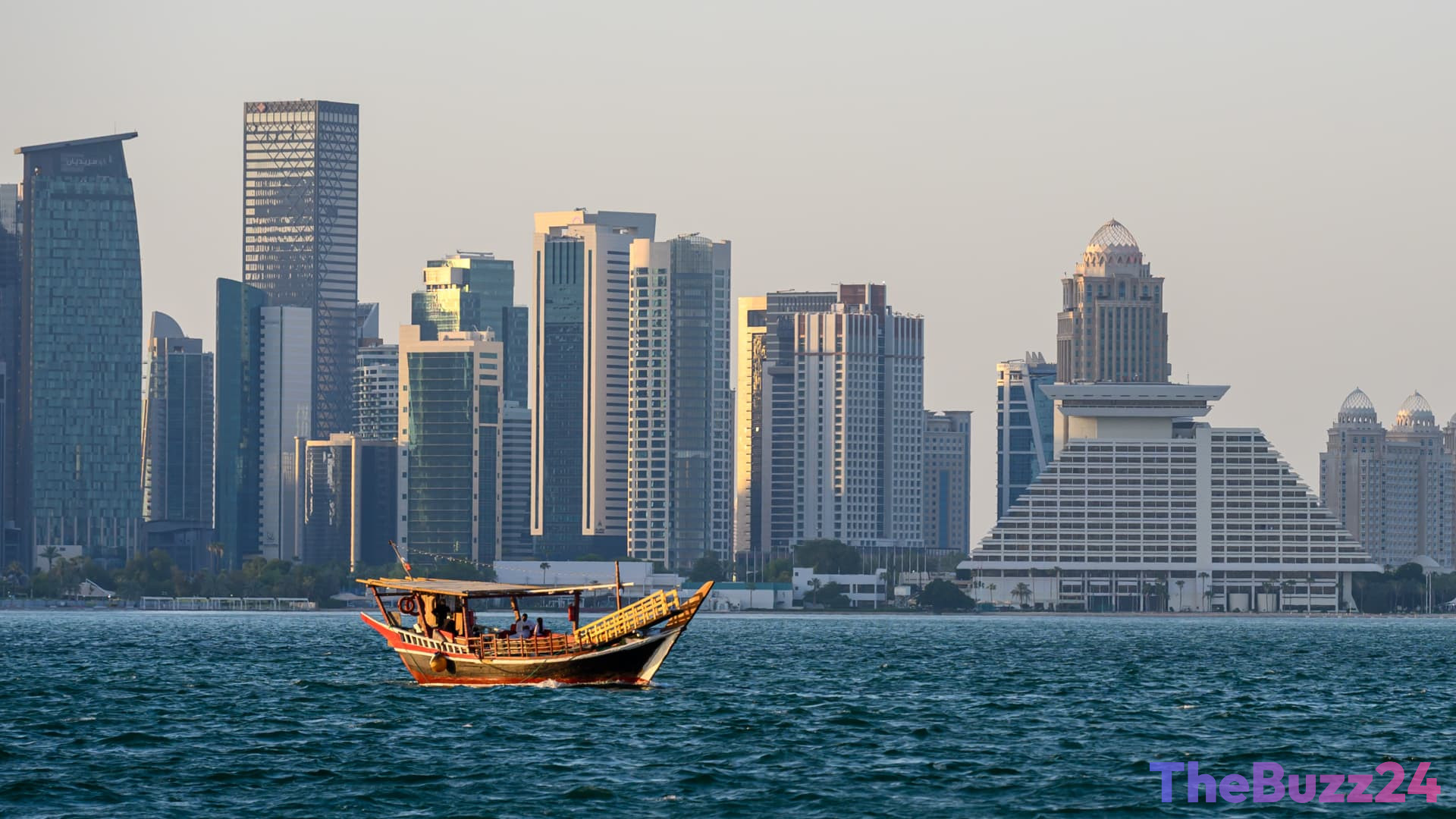
Global Oil Prices Slide as U.S.-Iran Diplomatic Talks Progress in Qatar
Global crude benchmarks experienced a downward shift on Wednesday following optimistic remarks from U.S. President Donald Trump regarding ongoing diplomatic discussions with Iran in Doha, Qatar. Brent crude futures slipped by 1.1% to trade around $72.12 per barrel, continuing a downward trend after a steep 21% plunge in June—marking its most severe monthly drop since the onset of the pandemic in March 2020. Similarly, U.S. West Texas Intermediate (WTI) futures dipped 0.66% to $69.04 per barrel, coming off its worst monthly performance since late 2021.
The diplomatic efforts in Doha are being led indirectly, with U.S. envoys Jared Kushner and special envoy Steve Witkoff communicating through Qatari mediators rather than meeting Iranian delegates face-to-face. President Trump expressed optimism about the talks, noting that the denuclearization process and negotiations are moving along well. These discussions aim to reinforce a fragile 60-day truce established on June 17 through a 14-point memorandum of understanding, which was briefly threatened by weekend skirmishes involving Iranian fire on commercial vessels and subsequent U.S. retaliatory strikes.
Central to the geopolitical tension is the Strait of Hormuz, a vital maritime chokepoint situated between Oman and Iran that facilitates approximately 20% of the world’s petroleum transit. While Iranian state media recently reported a foreign container ship running aground along an unapproved route in the strait, broader maritime traffic appears to be stabilizing. Market analysts observe that tanker movements in the Persian Gulf are showing signs of recovery, signaling growing confidence among shipowners.
Financial strategists suggest that the energy market is maintaining a cautiously optimistic outlook on Middle Eastern supply stabilization. Although recent military flare-ups initially stoked supply disruption fears, the gradual resumption of inbound tanker traffic could act as a headwind against any near-term price surges. If shipping confidence continues to rebuild and diplomatic channels remain open, oil prices may face sustained downward pressure in the coming weeks.
Key Takeaways
- Brent crude and WTI futures fell on Wednesday, continuing a downward trend following a sharp decline of over 20% for both benchmarks in June.
- U.S. representatives Jared Kushner and Steve Witkoff are engaging in indirect diplomatic talks with Iran in Qatar to preserve a fragile 60-day truce.
- Despite recent military skirmishes and a grounded vessel in the critical Strait of Hormuz, rising tanker traffic indicates growing market confidence in Middle East supply stability.
Editor’s Analysis & Impact
The recent dip in oil prices highlights how sensitive global energy markets remain to geopolitical diplomacy in the Middle East. While the weekend’s military exchanges between the U.S. and Iran threatened to disrupt the critical Strait of Hormuz—which handles a fifth of global oil consumption—the quick pivot back to indirect negotiations in Qatar has reassured investors. The market is currently pricing in a de-escalation premium, as evidenced by the recovery of inbound tanker traffic in the Persian Gulf. However, this optimism remains fragile. If the 14-point memorandum of understanding fails to hold, or if the indirect talks in Doha stall, we could see a rapid reversal in crude prices. For now, the combination of high shipping confidence and diplomatic progress acts as a strong bearish headwind for oil, keeping prices suppressed near multi-month lows.
Frequently Asked Questions
Q: Why are oil prices falling despite recent military tensions between the U.S. and Iran?
A: Prices are falling because market participants are optimistic about diplomatic progress. Indirect talks in Qatar, aimed at upholding a 60-day truce, have eased fears of prolonged supply disruptions through the Strait of Hormuz.
Q: What is the significance of the Strait of Hormuz to the global oil market?
A: The Strait of Hormuz is a critical maritime chokepoint located between Oman and Iran. It handles approximately 20% of the world's total petroleum traffic, making any disruptions there highly impactful on global energy prices.
Q: Who is representing the United States in the Qatar negotiations?
A: The U.S. delegation in Doha includes Jared Kushner and special envoy Steve Witkoff, who are conducting indirect negotiations with Iranian officials through Qatari mediators.
AI Disclosure: This article is based on verified data and official reports. Our Team and AI have cross-referenced every financial detail with primary sources to ensure total accuracy.
More from this Category