UK Defense Sector Soars on £15 Billion Spending Surge, But Fiscal Headwinds Loom
The United Kingdom’s defense sector has received a significant boost following an announcement by outgoing Prime Minister Keir Starmer of an additional £15 billion in defense spending over the next four years. This substantial investment, part of the U.K.’s Defence Investment Plan (DIP), aims to elevate annual defense expenditure to £79.1 billion by 2029, representing 2.7% of GDP. The news immediately revitalized a rally in British defense stocks, which had recently shown signs of losing momentum.
The DIP is designed to enhance the U.K.’s military capabilities, strengthen its nuclear deterrent, and expand industrial capacity, with a particular focus on technological advancements in areas such as cybersecurity, drones, and artificial intelligence. This strategic injection of funds has propelled the FTSE 350 Aerospace & Defense index by nearly 5% since the announcement. Key players like Babcock, BAE Systems, and Chemring have seen notable gains, reflecting renewed investor confidence in the sector’s future pipeline. BAE Systems CEO Charles Woodburn welcomed the clarity this provides for the industry and armed forces.
While the spending increase is a boon for defense contractors, financial experts are cautioning about the U.K.’s broader fiscal landscape. Concerns are mounting that the nation’s limited fiscal headroom and elevated public debt could ultimately constrain the long-term impact of this investment. The U.K. already faces higher borrowing costs compared to its G7 counterparts, and the prospect of increased government borrowing could put further pressure on gilt yields, despite assurances that the extra spending would be offset by cuts in other departments.
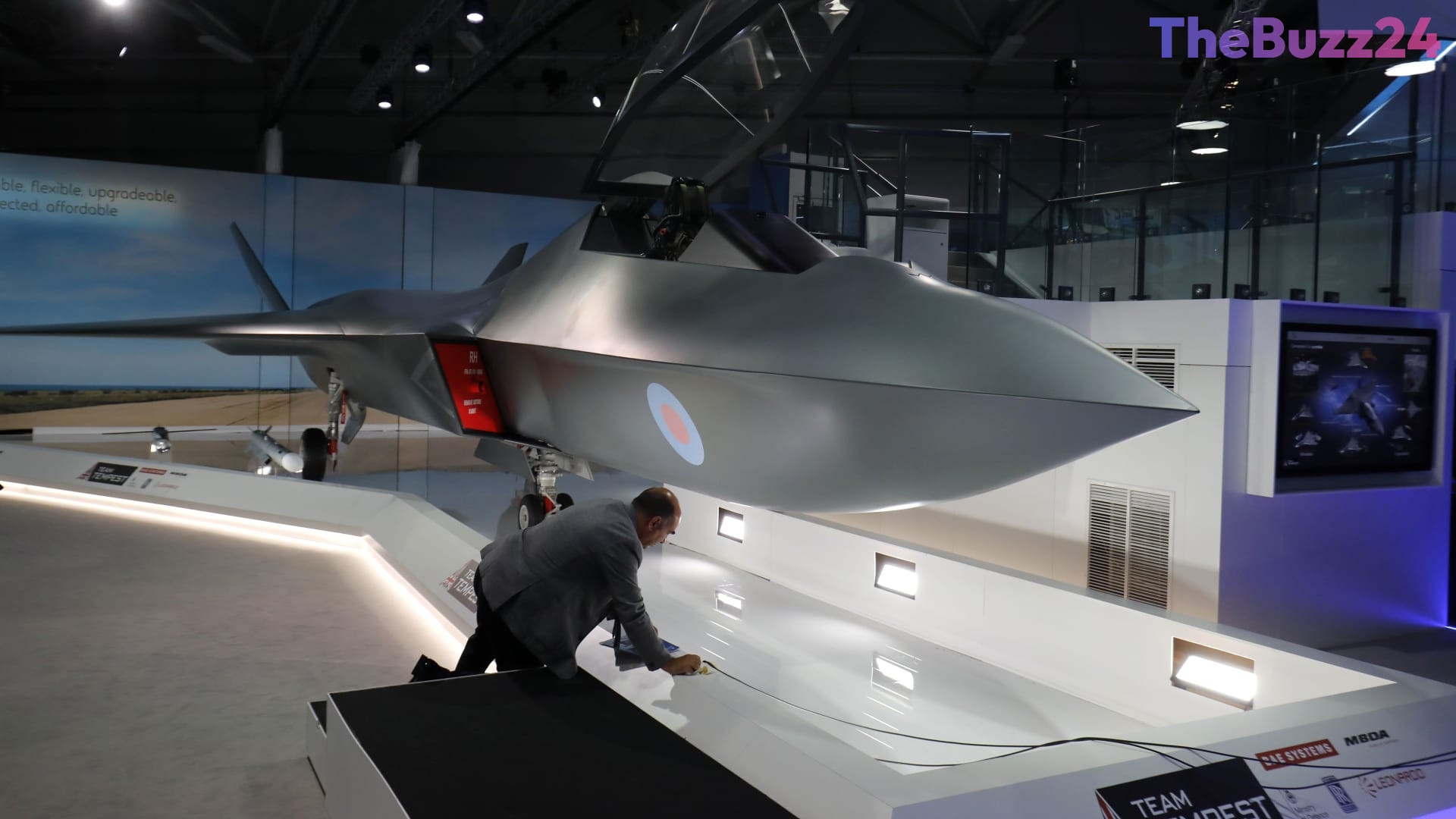
The market’s initial enthusiasm is tempered by questions regarding the sustainability of the rally. Some analysts suggest that much of the anticipated earnings growth may already be priced into defense stocks, with valuations for several key companies appearing elevated. Investors are now keenly awaiting specific details on which contractors will secure the new government contracts, acknowledging the inherent risks of project delays and cancellations common within the defense industry. Companies like BAE Systems, particularly with its involvement in the Tempest fighter jet, Chemring, specializing in sensors and counter-drone technology, and QinetiQ, noted for AI and robotics, are among those closely watched for potential benefits.
Key Takeaways
- The U.K. announced an additional £15 billion in defense spending over four years, boosting the sector.
- British defense stocks, including BAE Systems and Chemring, saw significant gains following the announcement.
- Fiscal constraints and high public debt in the U.K. raise concerns about the long-term sustainability and impact on borrowing costs.
Editor’s Analysis & Impact
This significant increase in UK defense spending signals a strategic pivot towards bolstering national security and technological superiority, aligning with broader trends among NATO allies. For the defense industry, it provides a much-needed injection of capital and clarity, potentially driving innovation in areas like AI and drone technology. However, the market’s long-term outlook is complicated by the UK’s fiscal challenges. While immediate stock rallies are expected, sustained growth will depend on efficient project execution and the government’s ability to manage its debt without further impacting borrowing costs. This move could also set a precedent for other nations grappling with geopolitical uncertainties, balancing security needs against economic realities.
Frequently Asked Questions
Q: What is the U.K.'s new defense spending commitment?
A: The U.K. has committed an additional £15 billion ($19.9 billion) to defense over the next four years, increasing annual spending to £79.1 billion by 2029, or 2.7% of GDP.
Q: Which companies are expected to benefit most from this spending?
A: Companies like BAE Systems, Chemring, Babcock, and QinetiQ are anticipated to benefit, particularly those involved in projects like the Tempest fighter jet, sensors, electronic warfare, and AI.
Q: What are the main concerns regarding this increased spending?
A: The primary concerns revolve around the U.K.'s fiscal constraints, elevated public debt, and the potential for increased government borrowing to negatively impact gilt yields and overall economic stability.
AI Disclosure: This article is based on verified data and official reports. Our Team and AI have cross-referenced every financial detail with primary sources to ensure total accuracy.
More from this Category