WhatsApp Username Rollout Sparks Global Security and Impersonation Concerns
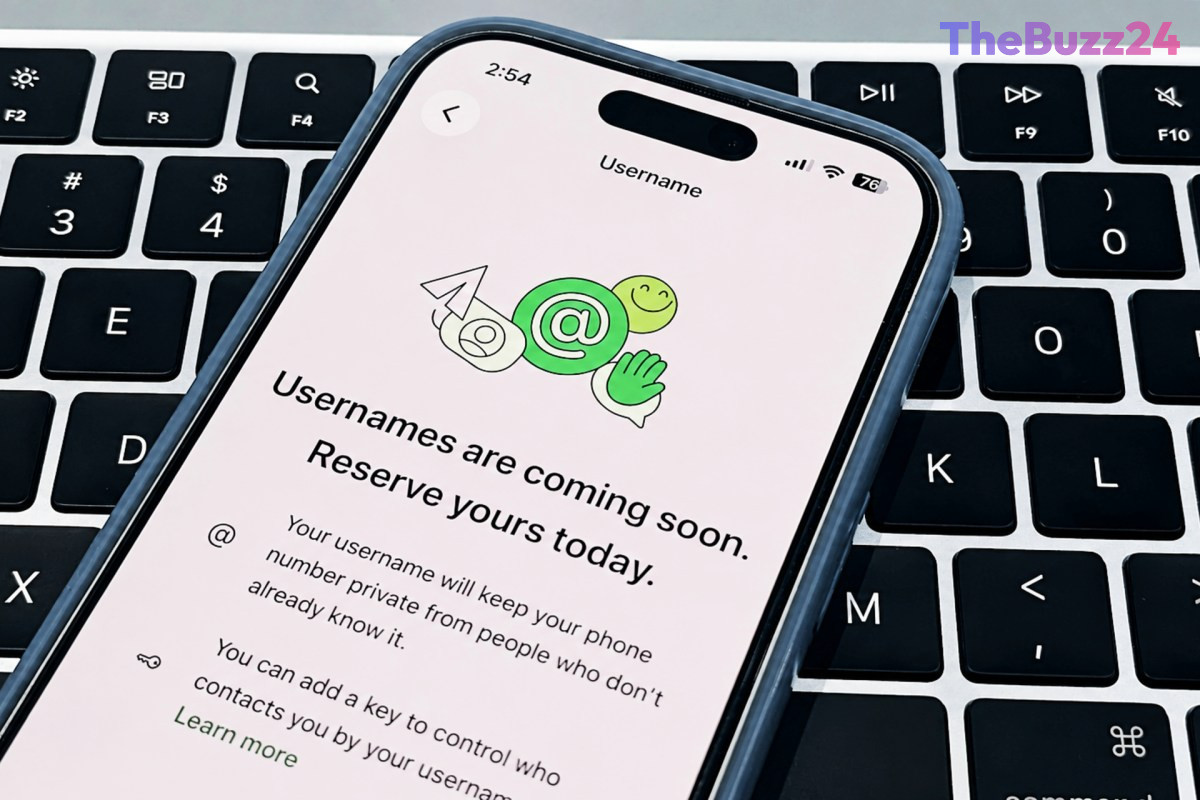
WhatsApp has begun the initial rollout of a new username feature, marking a significant departure from its long-standing reliance on phone numbers as the primary method for user identification. While the platform intends for this update to enhance user privacy by allowing individuals to connect without sharing personal contact numbers, the move has triggered immediate alarm among security experts and government regulators, particularly in India, the app’s largest market.
Early testing of the feature revealed that usernames mimicking high-profile figures, celebrities, and major institutions—such as government agencies and financial entities—remained available for reservation. This vulnerability has prompted the Indian Ministry of Electronics and Information Technology to issue a formal notice to the platform. Regulators expressed concerns that the system could be exploited to facilitate phishing, digital arrest scams, and widespread impersonation, potentially shielding bad actors from accountability by masking their true identities.
In response to the mounting pressure, the company stated that it is proactively reserving specific handles for public figures and government organizations to prevent unauthorized claims. However, the criteria for these protections remain opaque. As the platform prepares for a broader launch later this year, it faces a complex balancing act: providing the privacy benefits of handle-based communication while implementing robust safeguards to prevent the platform from becoming a haven for digital fraud.
Key Takeaways
- WhatsApp is transitioning from phone-number-based identification to a username system to improve user privacy.
- Regulators and security experts warn that the new feature could significantly increase the risk of impersonation and online fraud.
- The platform is currently testing proactive handle reservations for public figures to mitigate risks before the full public launch.
Editor’s Analysis & Impact
The introduction of usernames on WhatsApp represents a pivotal shift in the platform’s architecture, moving it closer to the social-media-centric models of Instagram and X. While the privacy benefits of decoupling identity from phone numbers are clear—reducing risks like SIM-swapping—the trade-off is a loss of the ‘verified’ nature inherent in phone-based contact lists. The industry impact is significant; as Meta continues to integrate identity across its ecosystem, it creates a more seamless experience for users but simultaneously centralizes power and increases the surface area for sophisticated social engineering attacks. Moving forward, the success of this feature will depend on the platform’s ability to implement a transparent, scalable verification system. If they fail to curb impersonation, they risk not only regulatory backlash in key markets like India but also a degradation of user trust, which remains the platform’s most valuable asset.
Frequently Asked Questions
Q: Why is WhatsApp introducing usernames?
A: The primary goal is to enhance user privacy by allowing people to connect and message each other without needing to share their personal phone numbers.
Q: How is the platform preventing impersonation?
A: The company has stated it is proactively reserving usernames for known public figures, government entities, and major organizations to ensure they are claimed by their legitimate owners.
AI Disclosure: This article is based on verified data and official reports. Our Team and AI have cross-referenced every financial detail with primary sources to ensure total accuracy.
More from this Category