Celestial Highlights: What to Watch in the Night Sky This July
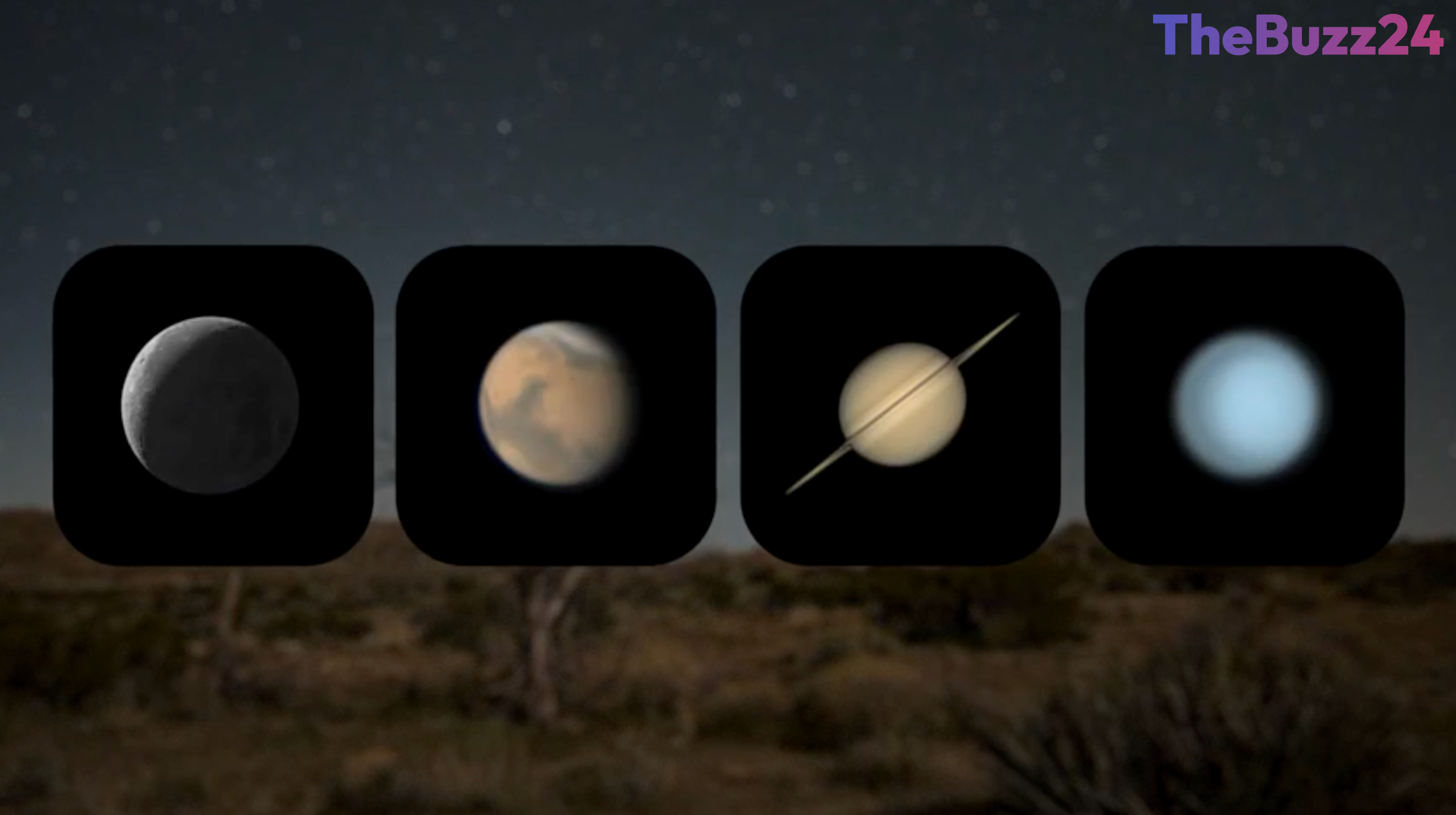
As July 2026 unfolds, amateur astronomers and casual stargazers alike have a packed schedule of celestial events to look forward to. The month begins with a rare planetary alignment in the predawn hours of July 11 and 12. During this time, the waning crescent Moon will serve as a celestial guide, helping observers locate Mars and Saturn in the eastern sky. While Mars will appear as a distinct reddish point and Saturn will shine with greater brightness, those equipped with binoculars or a telescope may also be able to spot the faint presence of Uranus nearby.
Mid-month offers a prime window for deep-sky observation, particularly around the New Moon on July 14. This period provides the darkest skies of the month, making it the ideal time to hunt for Comet 10P/Tempel 2. This short-period comet, which orbits the Sun every five and a half years, will appear as a faint, fuzzy glow within the constellation Capricornus. Observers are encouraged to seek out locations far from urban light pollution and allow their eyes ample time to adjust to the darkness to catch a glimpse of the comet’s subtle tail.
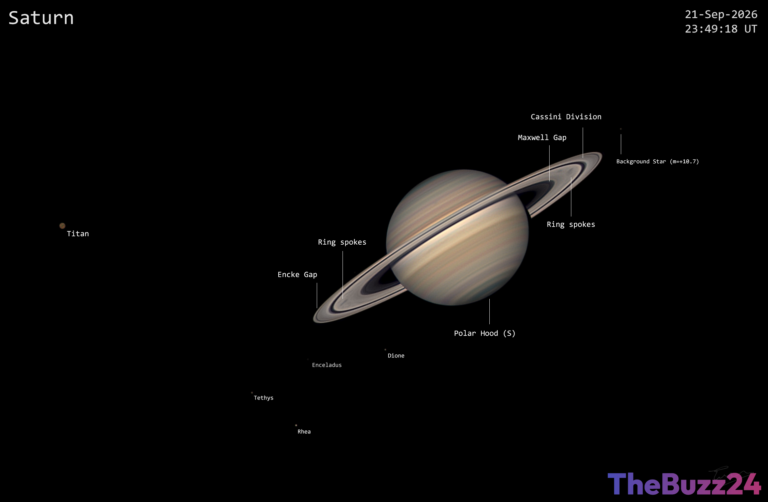
Beyond the comet, the dark skies of mid-July are perfect for viewing the Milky Way. By looking toward the southern horizon near the constellations Scorpius and Sagittarius, stargazers can witness the dense, cloudy band of the galactic center. Additionally, telescope users should turn their attention to Saturn throughout the latter half of the month. Due to the planet’s orbital mechanics, its iconic rings are currently tilted at a shallow angle, providing a unique, thin appearance that offers a rare perspective on the dynamic nature of our solar system.
Key Takeaways
- A planetary alignment featuring the Moon, Mars, Saturn, and Uranus will be visible in the eastern sky on July 11 and 12.
- The New Moon on July 14 provides the best dark-sky conditions for viewing Comet 10P/Tempel 2 and the Milky Way.
- Saturn’s rings are currently appearing unusually thin due to the planet's orbital tilt, making it a unique target for telescope observation.
Editor’s Analysis & Impact
The July 2026 skywatching events highlight the enduring public interest in amateur astronomy and the accessibility of space science. While these events are primarily educational, they drive significant engagement with space-related content and encourage the use of optical equipment, benefiting the hobbyist telescope market. From a broader perspective, these recurring celestial phenomena serve as a vital bridge between professional space exploration and public scientific literacy. As orbital mechanics continue to shift our view of planets like Saturn, these moments remind the public that our solar system is a dynamic, ever-changing environment. Future interest in such events is likely to grow as high-quality, portable imaging technology becomes more affordable, allowing enthusiasts to capture and share these astronomical milestones on social platforms, further fueling interest in space sciences.
Frequently Asked Questions
Q: Do I need a telescope to see the July planetary alignment?
A: The Moon, Mars, and Saturn will be visible to the naked eye. However, you will need binoculars or a telescope to spot Uranus, which is significantly fainter.
Q: Why do Saturn's rings look thinner than usual?
A: Saturn's rings appear to change thickness based on our viewing angle from Earth. As the planet orbits the Sun, the rings periodically appear edge-on, creating the illusion that they are thinning or disappearing.
AI Disclosure: This article is based on verified data and official reports. Our Team and AI have cross-referenced every financial detail with primary sources to ensure total accuracy.
More from this Category