Hybrid Surge Reshapes US Auto Market as Pure EV Demand Cools
The U.S. automotive market is experiencing a significant divergence in second-quarter sales, with manufacturers offering hybrid vehicles heavily outperforming those relying solely on traditional internal combustion engines or pure electric vehicles (EVs). As consumers grapple with high fuel costs and inflation, the demand for fuel-efficient, cost-effective transportation has positioned hybrid models as the primary growth engine for major automakers.
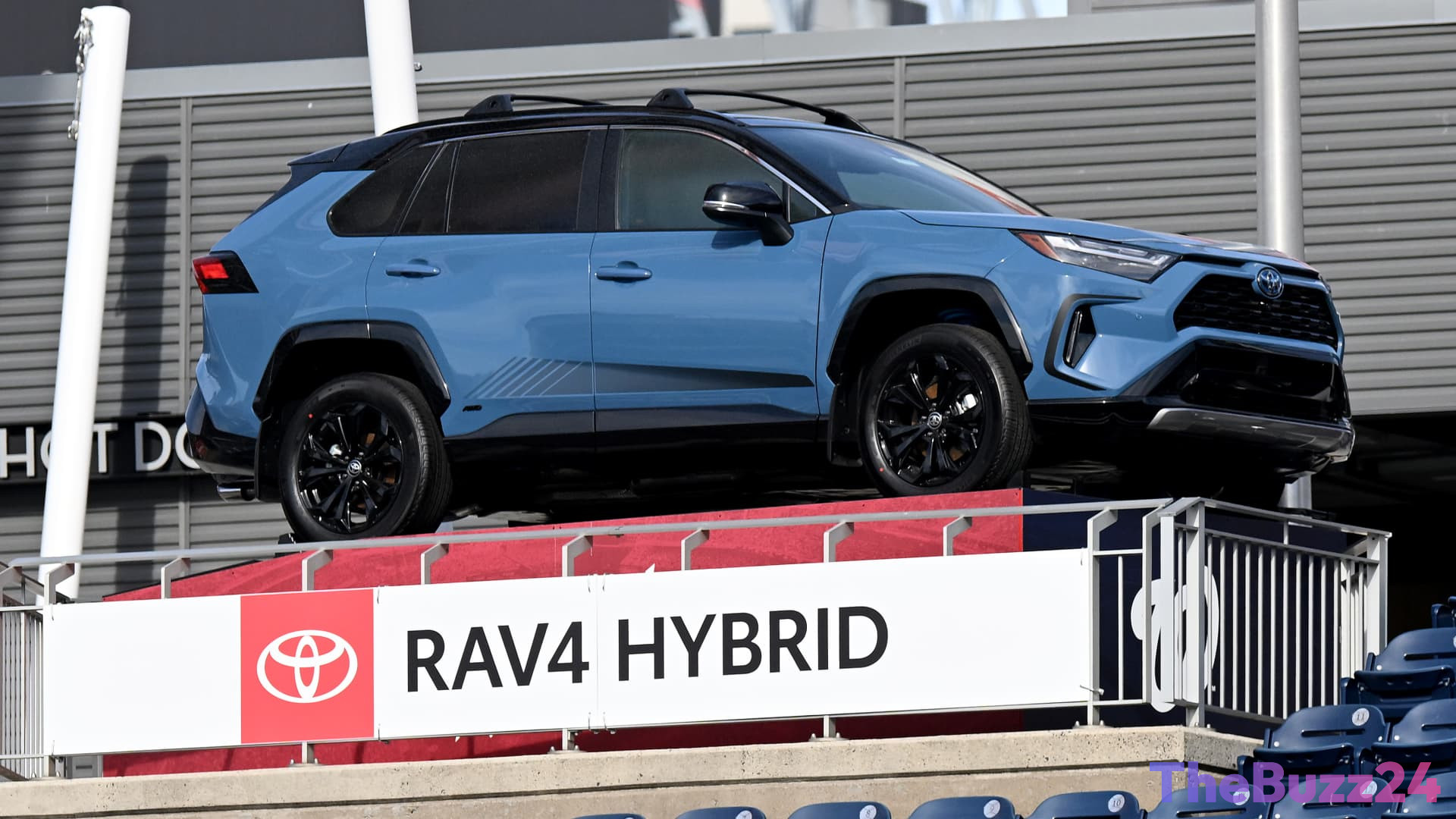
Japanese and South Korean automakers are reaping the benefits of their extensive hybrid lineups. Toyota reported a 1.1% increase in second-quarter sales, driven by a nearly 20% surge in electrified vehicle deliveries. Similarly, Hyundai posted a 4% quarterly gain, bolstered by a massive 67% jump in hybrid sales during the first half of the year. Honda and Kia also enjoyed strong quarters, with Honda achieving record electrified vehicle sales and Kia seeing its hybrid sales skyrocket by 152%. Industry executives note that consumers are increasingly prioritizing lower operating costs amid elevated gas prices, which have risen significantly compared to last year.
In contrast, automakers slower to adopt or expand hybrid options are facing headwinds. General Motors, which has focused heavily on a pure EV transition and currently offers only one low-volume hybrid model, saw its second-quarter sales slip by 4.2%. GM’s overall EV sales dropped 33% year-over-year, with declines across all its major brands, including Cadillac and Chevrolet. This shift has allowed Toyota to narrow the sales gap with GM, raising the possibility of a shakeup at the top of the U.S. sales charts by the end of the year. Meanwhile, Tesla is projected to see a decline of over 20% in quarterly sales as early EV incentives fade, and Ford is also bracing for a double-digit drop due to production challenges.
Despite the broader trend, some non-hybrid players managed gains through aggressive turnaround strategies. Nissan and Stellantis reported sales increases of 9.6% and 5.9%, respectively, by focusing on value-driven product mixes. Overall, industry analysts expect total U.S. auto sales for the year to remain relatively flat. The current market dynamics suggest that having a diverse, affordable product mix—particularly one that includes accessible hybrid options—will be the deciding factor for automotive leadership in the coming quarters.
Key Takeaways
- Hybrid vehicles have emerged as the primary driver of U.S. auto sales growth, outperforming pure electric vehicles and traditional combustion engines in the second quarter.
- Toyota, Hyundai, Honda, and Kia saw significant sales boosts due to strong hybrid demand, while General Motors experienced a 4.2% decline amid a 33% drop in its EV sales.
- Rising fuel prices and inflation are pushing consumers toward more affordable, fuel-efficient hybrid options rather than high-priced fully electric models.
Editor’s Analysis & Impact
The second-quarter sales data underscores a critical strategic pivot in the automotive industry. For years, legacy automakers rushed to transition directly from internal combustion engines to fully electric vehicles, often sidelining hybrid technology. However, consumer behavior is signaling a clear preference for a transitional phase. High interest rates, inflation, and the premium pricing of EVs—combined with persistent concerns over charging infrastructure—have made hybrids the pragmatic choice for the average consumer. Automakers like Toyota, which faced criticism for its slower EV rollout, now find themselves in a dominant position. Moving forward, we expect to see a rapid recalibration of product pipelines, with companies like GM and Ford likely forced to reintroduce or expand hybrid options to maintain market share and profitability.
Frequently Asked Questions
Q: Why are hybrid vehicles currently outselling fully electric vehicles?
A: Consumers are prioritizing immediate fuel savings and lower upfront costs amid high gas prices and inflation. Hybrids offer excellent fuel efficiency without the range anxiety or higher purchase prices associated with pure electric vehicles.
Q: How did General Motors perform compared to Toyota in the second quarter?
A: General Motors saw a 4.2% decline in sales, largely due to a 33% drop in EV sales and a lack of hybrid options. Conversely, Toyota's sales rose 1.1%, driven by a 20% increase in electrified vehicles, significantly narrowing the sales gap between the two industry giants.
Q: Are there any automakers succeeding without a strong hybrid lineup?
A: Yes, Nissan and Stellantis reported sales gains of 9.6% and 5.9% respectively, driven by value-focused product mixes and ongoing corporate turnaround plans, though analysts suggest long-term growth will still require electrification strategies.
AI Disclosure: This article is based on verified data and official reports. Our Team and AI have cross-referenced every financial detail with primary sources to ensure total accuracy.
More from this Category