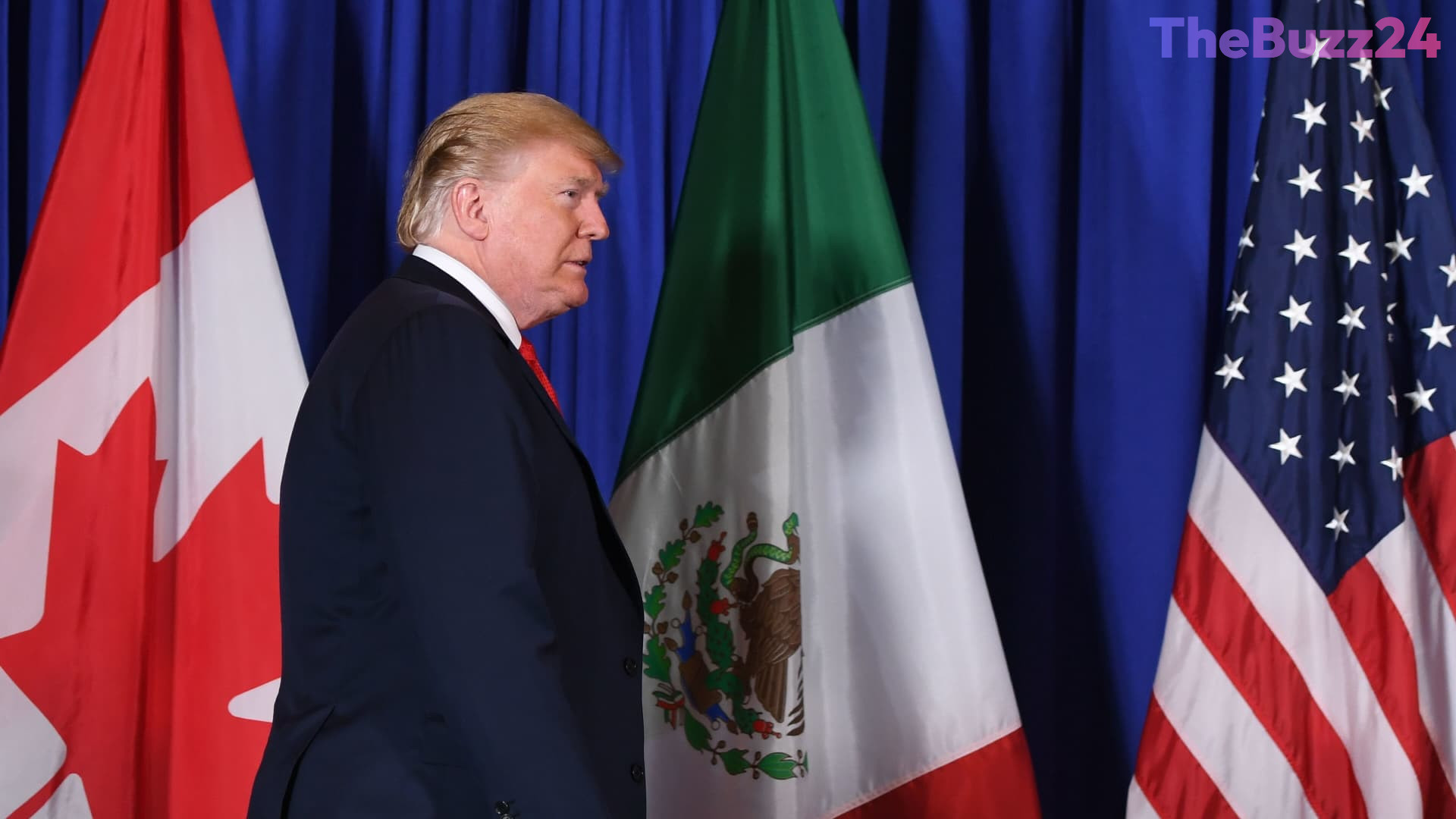
Trump Administration Declines USMCA Renewal, Triggering Annual Trade Reviews with Canada and Mexico
The Trump administration has officially declined to renew the United States-Mexico-Canada Agreement (USMCA) for another 16-year term, choosing instead to initiate annual reviews of the trilateral trade pact. The decision, announced on the July 1 deadline, marks a significant shift in North American trade relations. While the agreement will remain active for the next decade—barring any unilateral withdrawal—the move effectively subjects major portions of the treaty to potential renegotiation on a yearly basis.
Administration officials indicated that the refusal to rubber-stamp the renewal stems from unresolved trade imbalances, particularly the United States’ trade deficits with both Canada and Mexico. Although President Donald Trump previously championed the USMCA during his first term as a superior replacement for the North American Free Trade Agreement (NAFTA), his stance has hardened. In recent months, Trump has expressed growing dissatisfaction with the terms, asserting that the U.S. holds the upper hand in trade leverage and demanding better treatment from its northern and southern neighbors.
The decision follows a series of aggressive trade maneuvers, including tariffs imposed by the administration on Canadian and Mexican goods, though some of these measures have faced legal challenges in court. U.S. Trade Representative Jamieson Greer confirmed that the administration intends to actively engage with both nations to address what it views as the agreement’s current shortcomings. While bilateral discussions between the U.S. and Mexico are already underway, formal talks with Canada have yet to begin, setting the stage for a complex and potentially volatile period of trade diplomacy.
Key Takeaways
- The U.S. declined to renew the USMCA for a 16-year term, opting instead for annual reviews that allow for ongoing renegotiations.
- The trade pact will remain in effect for another 10 years, provided no member nation decides to withdraw.
- The decision is driven by the Trump administration's concerns over trade deficits with Canada and Mexico, following a shift from Trump's initial praise of the deal.
Editor’s Analysis & Impact
The decision not to renew the USMCA represents a strategic pivot toward protectionism and transactional diplomacy by the Trump administration. By forcing annual reviews, the U.S. gains significant leverage over Canada and Mexico, keeping both nations in a state of perpetual negotiation. However, this move introduces substantial economic uncertainty for North American supply chains, particularly in the automotive, agricultural, and manufacturing sectors that rely on stable, long-term trade rules. Businesses may delay capital investments due to the threat of sudden tariff changes or treaty modifications. While the administration aims to shrink trade deficits, the resulting instability could disrupt continental commerce and strain diplomatic relations with two of America’s largest trading partners, potentially leading to retaliatory trade measures.
Frequently Asked Questions
Q: What does the decision not to renew the USMCA mean for current trade?
A: The USMCA remains active and in effect for the next ten years, meaning immediate trade flows will not be halted. However, the decision triggers annual reviews, which open the door for the U.S. to renegotiate or alter specific terms of the agreement every year.
Q: Why did the Trump administration decide against renewal?
A: The administration cited persistent U.S. trade deficits with Canada and Mexico as the primary reason, arguing that the current agreement needs to be modified to address these imbalances rather than being extended in its current form.
Q: Have negotiations already started with Canada and Mexico?
A: The United States has already entered into bilateral discussions with Mexico, which are expected to continue. However, formal bilateral talks between the U.S. and Canada have not yet commenced.
AI Disclosure: This article is based on verified data and official reports. Our Team and AI have cross-referenced every financial detail with primary sources to ensure total accuracy.
More from this Category