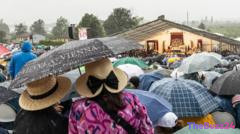
Vatican Delivers Broad Excommunication to Traditionalist Catholic Sect
The Vatican has issued a sweeping decree of excommunication against the Society of Saint Pius X (SSPX), a conservative Catholic splinter group, and its followers. This decisive action comes just a day after the SSPX proceeded with the consecration of four new bishops, directly defying instructions from Pope Leo XIV. The decree specifically targets the Society’s six bishops and, in an unusually broad move, extends excommunication to any lay members who “formally adhere” to the group, classifying them as schismatic. However, the Vatican also indicated a willingness to welcome back those who choose to leave the SSPX “with sincere affection,” later clarifying that automatic excommunication would apply to those who “habitually participate” in SSPX celebrations and “formally share its doctrinal positions.”
The Society of Saint Pius X was established in 1970 as a direct response to the modernizing reforms introduced by the Roman Catholic Church during the Second Vatican Council in the 1960s. With an estimated 600,000 adherents worldwide, the SSPX staunchly rejects changes to the celebration of Mass, preferring Latin over vernacular languages and maintaining the tradition of priests facing the altar rather than the congregation. Their services also mandate communion bread be received directly into the mouths of kneeling worshippers, and women typically cover their heads. Beyond liturgical practices, the group holds generally more socially conservative views and opposes the modern Catholic Church’s increased dialogue with other Christian denominations and faiths.
This latest decree marks a significant escalation in the long-standing tension between the Vatican and the SSPX. Excommunication, one of the most severe penalties within the Church, effectively severs an individual’s communion with the Catholic Church, barring them from receiving sacraments like confession or marriage. While previous excommunications of SSPX bishops in the 1980s were later reversed, and recent efforts had aimed at reconciliation, the Vatican’s current response is notably more aggressive and comprehensive than anticipated. The inclusion of lay members in the excommunication has particularly surprised many observers, positioning the traditionalist group further from the Roman Catholic Church’s central authority than ever before. For many SSPX members, like Rita Reid from Jersey, the decree only reinforces their conviction, with some believing it is the Vatican, not them, that has strayed from true doctrine.
Key Takeaways
- The Vatican excommunicated SSPX bishops and formally adhering lay members for defying Pope Leo XIV by consecrating new bishops.
- The SSPX, founded in 1970, opposes modernizing reforms of the Second Vatican Council, maintaining traditional liturgical and social practices.
- This broad excommunication is a severe penalty, deepening the schism and forcing SSPX members to choose between their group and communion with the Roman Catholic Church.
Editor’s Analysis & Impact
This broad excommunication by the Vatican signifies a critical juncture in the ongoing dialogue between traditionalist factions and the mainstream Roman Catholic Church. The move, particularly its extension to lay members, underscores a firm assertion of papal authority under Pope Leo XIV, indicating a diminished appetite for compromise with groups that openly defy core directives. The immediate impact will likely be a further entrenchment of the schism, making future reconciliation efforts significantly more challenging. For the SSPX, this could solidify their identity as a distinct, independent entity, potentially attracting more disaffected traditionalists while alienating those who prioritize communion with Rome. Broader implications include a potential re-evaluation of internal dissent within other religious institutions and a clear message that defiance of central authority carries severe consequences, shaping the future landscape of religious adherence and institutional control.
Frequently Asked Questions
Q: What is the Society of Saint Pius X (SSPX)?
A: The Society of Saint Pius X is a conservative Catholic splinter group founded in 1970. It was established in opposition to the modernizing reforms introduced by the Roman Catholic Church during the Second Vatican Council in the 1960s, particularly regarding liturgical practices and interfaith dialogue.
Q: What does excommunication mean for SSPX members?
A: Excommunication is one of the harshest penalties in the Catholic Church. It means an individual is "out of communion" with the Church, effectively expelled from the religion. They cannot receive sacraments like confession or communion, nor can they be married within the Roman Catholic Church.
Q: Why did the Vatican take this action now?
A: The Vatican's decree came after the SSPX consecrated four new bishops without papal approval, directly defying Pope Leo XIV's instructions. This act of disobedience, coupled with the SSPX's long-standing rejection of modern Church teachings, prompted the severe response to assert papal authority and address the deepening schism.
AI Disclosure: This article is based on verified data and official reports. Our Team and AI have cross-referenced every financial detail with primary sources to ensure total accuracy.
More from this Category