Boston’s New Finance Museum Brings History to Life with AI Alexander Hamilton
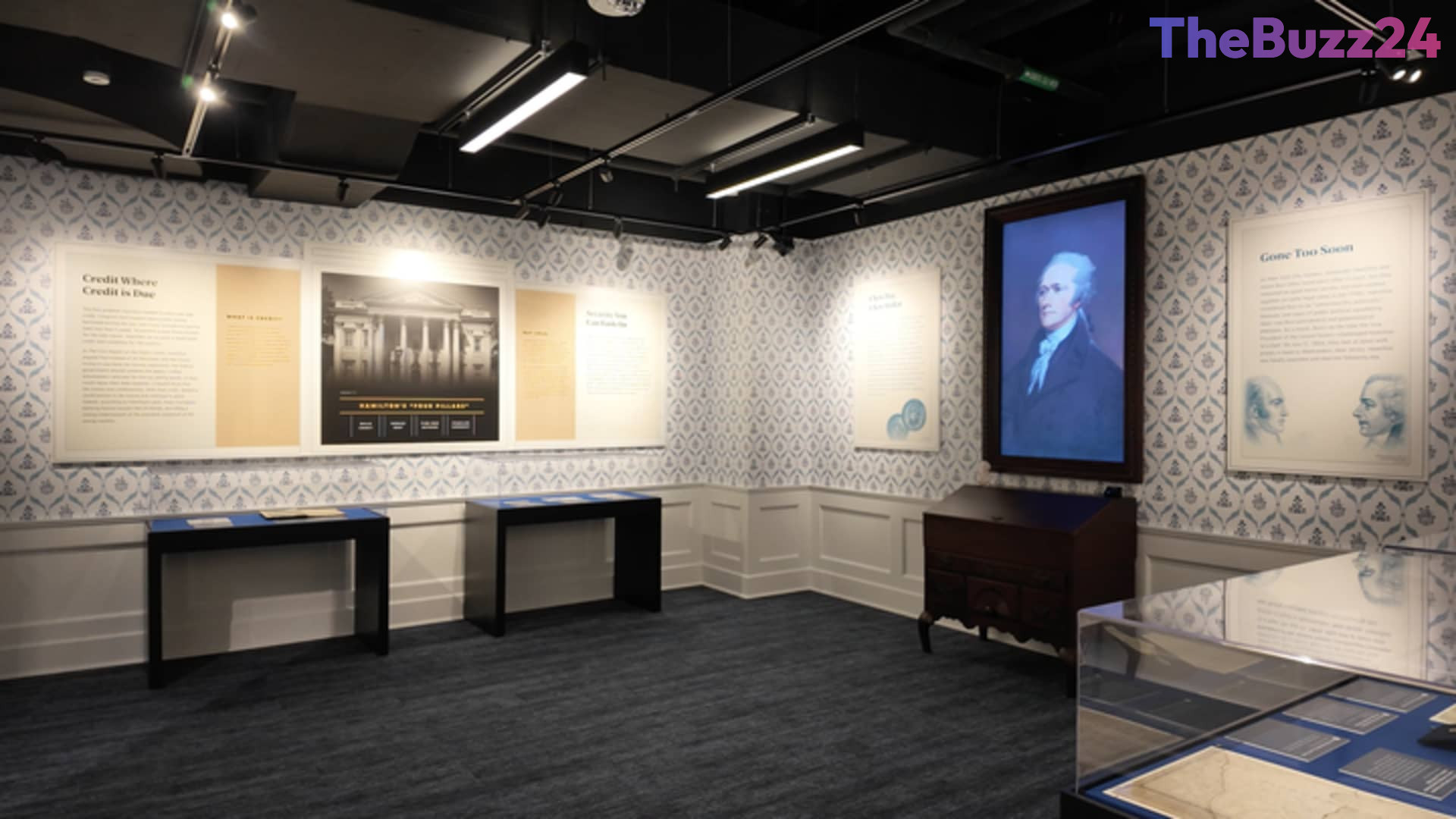
The Museum of American Finance has officially opened its new Boston headquarters to the public, marking its return to a permanent physical location after a hiatus. This significant debut on Commonwealth Pier comes nearly a decade after the Smithsonian affiliate vacated its former Wall Street site in New York due to a 2018 flood. The 5,400-square-foot facility is poised to offer an immersive journey through U.S. financial history, just in time for the nation’s 250th anniversary.
Among its seven inaugural exhibits, a standout feature is an interactive artificial intelligence-generated Alexander Hamilton. Developed in collaboration with the Fidelity Center for Applied Technology, this innovative display allows visitors to engage in conversations with the first U.S. Secretary of the Treasury in over 50 languages, posing unique questions and exploring complex financial concepts through modern analogies. Erich Umar, head of technology strategy & planning at FCAT, emphasized the museum’s commitment to demonstrating that “history doesn’t just live in the past; it interacts with the future,” highlighting how technology can scale financial education.
The museum’s mission extends beyond historical preservation to fostering financial literacy, offering free admission to ensure accessibility for all. Exhibits like “America in Circulation” trace the evolution of U.S. currency, from 1652 pine tree shillings to modern forms, while the “Personal Finance” section aims to equip visitors with tools for financial well-being. This initiative arrives at a crucial time, with public concern over the national deficit and debt on the rise. Richard Sylla, professor emeritus of economics at NYU Stern School of Business and a museum trustee, noted the importance of remembering the nation’s “glorious history” in finance, even amidst contemporary fiscal challenges, drawing parallels to Hamilton’s era when the U.S. faced even greater financial distress.
Kristin Aguilera, the museum’s deputy director, explained that starting with familiar topics like money in the currency gallery makes the complex world of finance accessible to everyone. The museum aims to bridge the gap between historical understanding and practical financial knowledge, encouraging visitors to appreciate the intricate details of currency and the fundamental principles of budgeting and investment. This blend of historical depth and modern educational tools positions the Museum of American Finance as a vital resource for enhancing public financial understanding.
Key Takeaways
- The Museum of American Finance has opened its new Boston headquarters, its first permanent location since 2018, featuring seven exhibits on U.S. financial history.
- A key attraction is an interactive AI-generated Alexander Hamilton, allowing visitors to converse with the historical figure in multiple languages about financial concepts.
- The museum offers free admission and aims to promote financial literacy among Americans, addressing current concerns about national debt and personal financial well-being.
Editor’s Analysis & Impact
This opening signifies a notable trend in museum experiences, integrating advanced AI to make history interactive and engaging. For the financial education sector, it represents an innovative approach to demystifying complex topics, potentially setting a new standard for how institutions convey historical and practical knowledge. The partnership with Fidelity Center for Applied Technology also highlights the growing collaboration between tech and cultural institutions. The success of the AI Alexander Hamilton exhibit could inspire other museums to adopt similar interactive technologies, transforming passive viewing into active learning. This model could be particularly impactful in fields like history and science, making educational content more accessible and personalized. By offering free admission and focusing on financial literacy, the museum addresses a critical societal need, especially given rising public concern over economic issues. It demonstrates how technology can be leveraged to democratize access to vital information, bridging historical context with contemporary relevance and empowering individuals with better financial understanding.
Frequently Asked Questions
Q: Where is the new Museum of American Finance headquarters located?
A: The new permanent headquarters for the Museum of American Finance is located on Commonwealth Pier in Boston.
Q: What is the significance of the AI Alexander Hamilton exhibit?
A: The AI Alexander Hamilton exhibit allows visitors to engage in interactive conversations with a virtual representation of the first U.S. Secretary of the Treasury, offering a unique and personalized way to learn about financial history and concepts in over 50 languages.
Q: Is there an admission fee to visit the museum?
A: No, admission to the Museum of American Finance in Boston is free, reflecting its mission to make financial education accessible to everyone.
AI Disclosure: This article is based on verified data and official reports. Our Team and AI have cross-referenced every financial detail with primary sources to ensure total accuracy.
More from this Category