Amazon’s Leo Project Achieves Launch Readiness, Set to Challenge Starlink
Amazon has announced a significant milestone for its Project Leo, confirming that enough satellites are now in orbit to commence initial commercial service later this year. This development positions Amazon to directly compete with SpaceX’s established Starlink in the rapidly expanding low Earth orbit (LEO) satellite internet market.
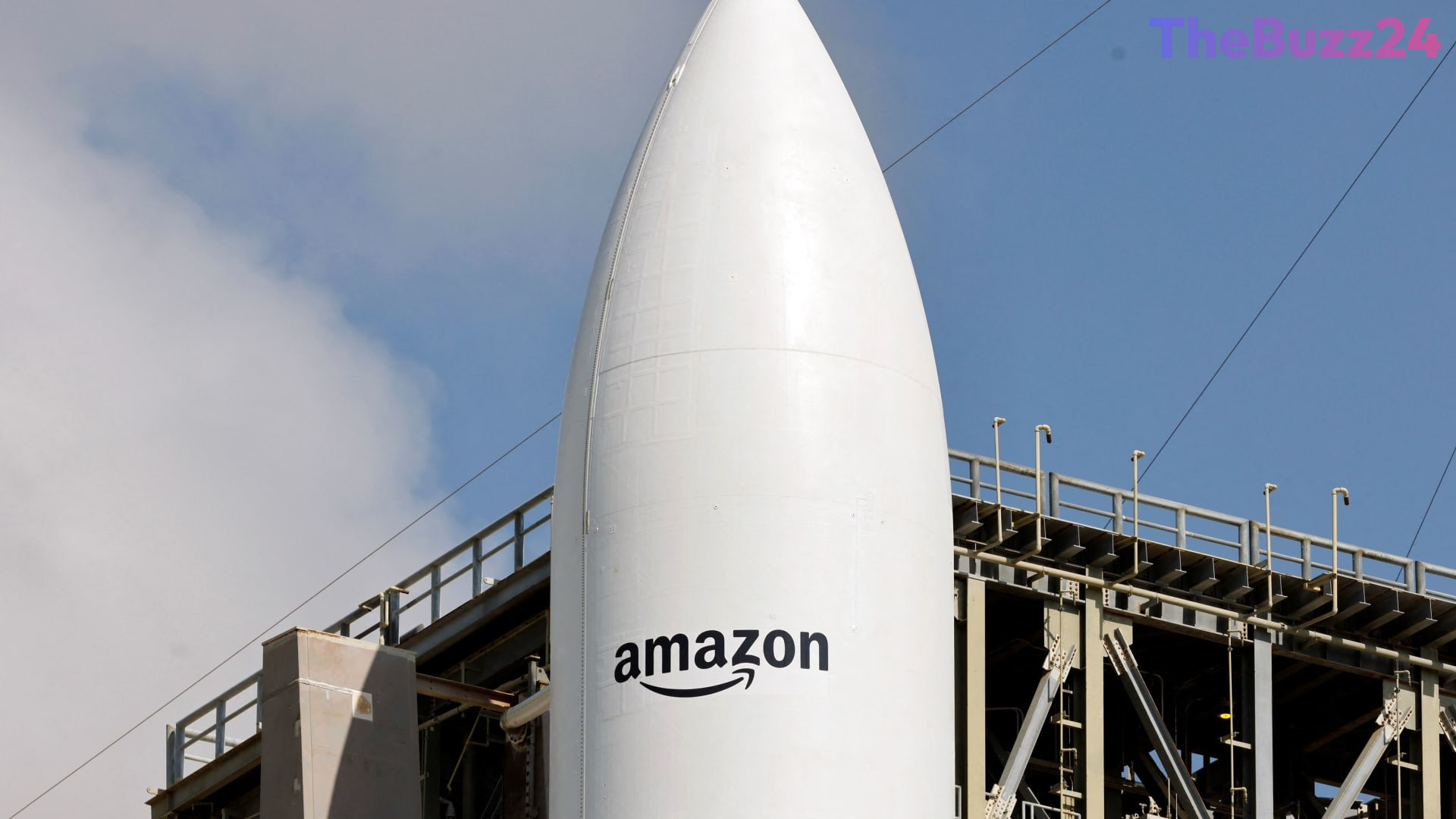
The latest deployment saw 29 satellites launched into orbit aboard a United Launch Alliance (ULA) Atlas V rocket. This mission brings Amazon’s total Leo constellation to over 390 satellites, a number deemed sufficient to support continuous service across initial latitudes, according to Chris Weber, vice president of business and product for Amazon Leo. While an “enterprise preview” for select businesses began in November, the full launch for consumers and government customers is anticipated later this year, though initial network coverage will likely be geographically limited.
Amazon’s entry into the LEO market comes several years after SpaceX launched Starlink in 2015. Starlink has since grown to a constellation of approximately 10,000 satellites and boasts over 10 million subscribers. Amazon, which announced its Kuiper project (later renamed Leo) in 2019, aims for a constellation of roughly 7,700 satellites. The company has faced challenges, including a shortage of rocket capacity and launch delays from various providers, such as a setback involving a Blue Origin New Glenn rocket explosion during a test.
Despite these hurdles, Amazon is accelerating its deployment strategy. The next Leo mission is slated to utilize ULA’s Vulcan heavy-lift rocket, which promises to carry larger payloads and increase the deployment rate. Melissa Wuerl, Leo’s director of launch systems, highlighted the readiness of hundreds of flight-ready satellites and a new vertical integration facility, signaling a clear path to expand network coverage swiftly following the initial service rollout. Meanwhile, Blue Origin, led by Jeff Bezos, is working to return its New Glenn rocket to flight later this year, which is crucial for carrying heavier Leo payloads in the future.
Key Takeaways
- Amazon's Project Leo has deployed over 390 satellites, reaching a critical mass to begin initial commercial internet service later this year.
- Leo is set to directly compete with SpaceX's Starlink, which currently holds a significant lead in satellite count and subscriber base.
- Despite facing launch capacity challenges and setbacks, Amazon is accelerating its deployment plans with new rockets and facilities to expand network coverage.
Editor’s Analysis & Impact
Amazon’s imminent launch of Project Leo marks a pivotal moment in the LEO satellite internet sector, intensifying competition with SpaceX’s Starlink. This rivalry is likely to spur innovation, potentially leading to more advanced services and competitive pricing for consumers globally. While Amazon faces the challenge of catching up to Starlink’s established infrastructure and subscriber base, its deep pockets and logistical prowess could enable rapid scaling. The success of Leo will hinge on its ability to overcome deployment delays and secure consistent launch capacity, with Blue Origin’s New Glenn rocket playing a crucial role in its long-term strategy. Broader implications include enhanced global internet access, particularly in underserved regions, and a boost for the commercial space industry through increased demand for launch services and satellite manufacturing.
Frequently Asked Questions
Q: What is Amazon's Project Leo?
A: Amazon's Project Leo (formerly Kuiper) is a low Earth orbit (LEO) satellite internet constellation designed to provide high-speed broadband access globally, directly competing with services like SpaceX's Starlink.
Q: How many satellites has Amazon deployed for Project Leo?
A: Amazon has deployed over 390 satellites for its Project Leo constellation, reaching a critical mass to begin initial commercial service later this year.
Q: When is Amazon's Project Leo service expected to launch commercially?
A: Amazon plans to launch initial commercial service for Project Leo later this year, though coverage will likely be limited to specific geographies initially.
AI Disclosure: This article is based on verified data and official reports. Our Team and AI have cross-referenced every financial detail with primary sources to ensure total accuracy.
More from this Category