Seaplane Makes “Hard Landing” in Manhattan’s East River, Eight Rescued
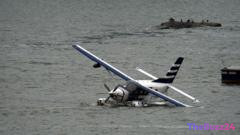
Emergency services in New York City responded to a seaplane incident in the East River near East 23rd Street and FDR Drive, where a Kodiak 100 aircraft executed a “hard landing.” The event, which occurred around midday local time, saw eight individuals safely removed from the plane. Despite the dramatic nature of the landing, only two people sustained minor injuries and declined further medical attention. The aircraft remained upright and was subsequently towed to a nearby dock.
The Federal Aviation Administration (FAA) has initiated an investigation into the incident. Preliminary findings indicate that the pilot performed a “hard landing,” a maneuver characterized by the aircraft touching down with excessive vertical speed or force beyond manufacturer limits. This impact reportedly caused a wing strut to snap. The seaplane was en route from the Hamptons, a popular affluent retreat, to a seaplane base when it reportedly struck a wave during its landing approach, leading to its partial capsizing. At the time of the event, air traffic control was not providing services to the aircraft.
This incident follows a similar event just three weeks prior, highlighting potential concerns regarding seaplane operations in the East River. In mid-June, another small two-seater seaplane was damaged when it was struck by a large wave while attempting to take off from the same waterway. In that earlier occurrence, the pilot and a passenger were rescued by the Fire Department of New York (FDNY) after their aircraft went down near Queens.
Key Takeaways
- Eight individuals were rescued after a Kodiak 100 seaplane made a "hard landing" in Manhattan's East River, with only minor injuries reported.
- The FAA is investigating the incident, which involved a snapped wing strut and the plane striking a wave during its landing approach.
- This is the second seaplane incident in the East River within a month, prompting scrutiny of seaplane operations in the busy waterway.
Editor’s Analysis & Impact
The recent seaplane incident in the East River, following a similar event just weeks prior, underscores growing concerns regarding aviation safety in congested urban waterways. This trend could prompt increased scrutiny from regulatory bodies like the FAA, potentially leading to a review of operational guidelines, pilot training, and maintenance protocols for seaplanes operating in such environments. The industry might face calls for enhanced safety measures, impacting flight routes, weather advisories, and even aircraft design for water landings. For the public, these incidents could erode confidence in seaplane travel, affecting demand for recreational or commuter services. Emergency response capabilities in urban water settings will also remain a critical focus, ensuring swift and effective action in future events.
Frequently Asked Questions
Q: Q: What caused the seaplane incident in Manhattan's East River?
A: A: The Federal Aviation Administration (FAA) is investigating, but preliminary reports indicate the pilot made a "hard landing," striking a wave during the approach, which caused a wing strut to snap.
Q: Q: Were there any serious injuries from the seaplane landing?
A: A: No serious injuries were reported. Eight people were rescued from the aircraft, and only two sustained minor injuries, refusing further medical attention.
Q: Q: Is this the first seaplane incident in the East River recently?
A: A: No, this is the second seaplane incident in the East River within a month. Another small seaplane was damaged in mid-June after being struck by a large wave during takeoff.
AI Disclosure: This article is based on verified data and official reports. Our Team and AI have cross-referenced every financial detail with primary sources to ensure total accuracy.
More from this Category