Trump Delivers Campaign-Style July 4th Address Amidst Heat, Storms, and Political Controversy
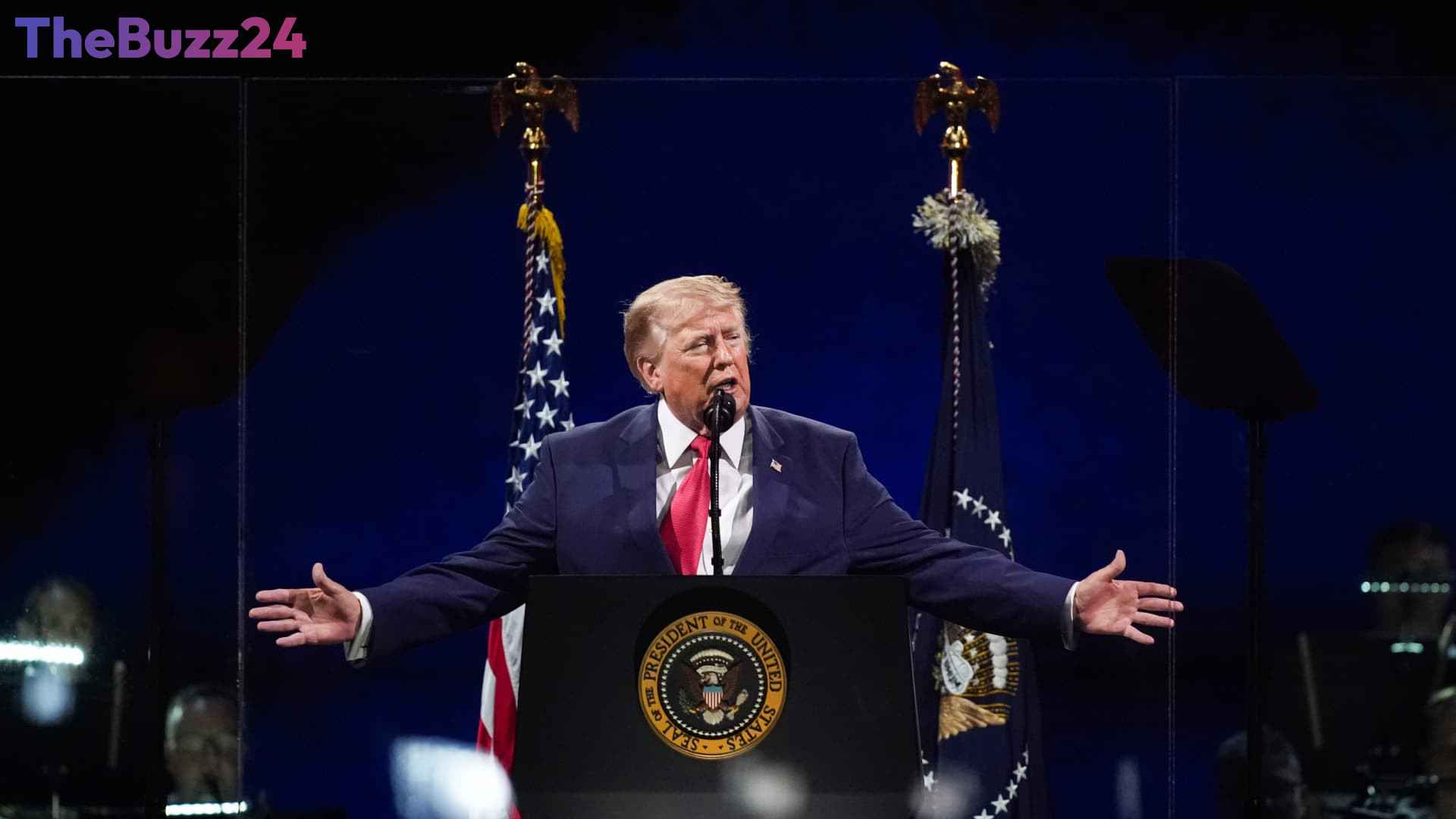
President Donald Trump addressed the nation on the National Mall for the United States’ 250th anniversary, delivering a speech that blended patriotic themes with his signature political rhetoric. The event, branded as a “campaign-style” address, saw Trump reiterating calls for stricter voting regulations, including limitations on mail-in ballots and proof of citizenship for voter registration. He also issued warnings about the potential rise of “communism” within the U.S., likening the threat to a “cancer” that needs swift eradication.
The celebration faced significant disruptions, including a nearly two-hour delay due to severe thunderstorms that prompted an evacuation of the rally. Attendees also contended with extreme heat, with temperatures soaring to 103 degrees Fahrenheit (39 degrees Celsius), a factor that led to the cancellation of other local events. Despite the challenging weather conditions, crowds gathered, facing heightened security measures and long waits.
Trump’s address highlighted what he described as American achievements, from military victories and the moon landing to advancements in flight. However, the event itself became a focal point for political debate. Unlike many previous presidents who have traditionally kept July 4th celebrations non-partisan, Trump has increasingly merged official commemorations with political campaigning. This year’s event, organized by the Freedom 250 group, has been criticized by some Democratic-led states and performers for its perceived partisanship, with many opting out. The organization’s broader initiatives, including the “Freedom Trucks” campaign, have also drawn criticism for presenting a selective version of American history that critics argue downplays issues like slavery and racial injustice.
Key Takeaways
- President Trump delivered a campaign-style speech on the National Mall for the U.S. 250th anniversary, focusing on patriotism, voting restrictions, and warnings against communism.
- The event was significantly impacted by severe weather, including thunderstorms causing evacuations, and record-breaking heat.
- The celebration faced criticism for its political nature, with some states and performers withdrawing due to concerns about partisanship.
Editor’s Analysis & Impact
The integration of political campaigning into national holiday celebrations, as exemplified by President Trump’s July 4th address, highlights a growing trend of blurring lines between official duties and electoral politics. While such events can mobilize a base and reinforce a leader’s narrative, they risk alienating segments of the population and undermining the unifying spirit of national commemorations. The controversy surrounding the Freedom 250 initiatives, including accusations of historical revisionism and partisanship, underscores the challenges of organizing large-scale national events in an increasingly polarized environment. The long-term impact could be a further erosion of public trust in institutions and a deepening of societal divisions, making future attempts at national unity even more difficult.
Frequently Asked Questions
Q: What was the main purpose of President Trump's July 4th speech?
A: President Trump's speech on the National Mall aimed to commemorate the United States' 250th anniversary while also serving as a campaign-style address. He used the platform to highlight his perceived achievements, advocate for stricter voting laws, and warn against perceived threats like communism.
Q: What challenges did the July 4th event face?
A: The event was hampered by severe weather, including thunderstorms that led to an evacuation, and extreme heat that reached 103 degrees Fahrenheit. Additionally, the celebration faced criticism for being overly political, with some states and performers declining to participate.
Q: How does this event compare to past July 4th celebrations?
A: Traditionally, U.S. presidents have largely avoided delivering campaign-style speeches on July 4th. President Trump's address, similar to one he gave in 2019, marks a departure from this norm, continuing a trend of blending official commemorations with political messaging.
AI Disclosure: This article is based on verified data and official reports. Our Team and AI have cross-referenced every financial detail with primary sources to ensure total accuracy.
More from this Category