Hanwha Ocean Shares Plunge 23% After Losing Massive $100 Billion Canadian Submarine Contract to Germany’s TKMS
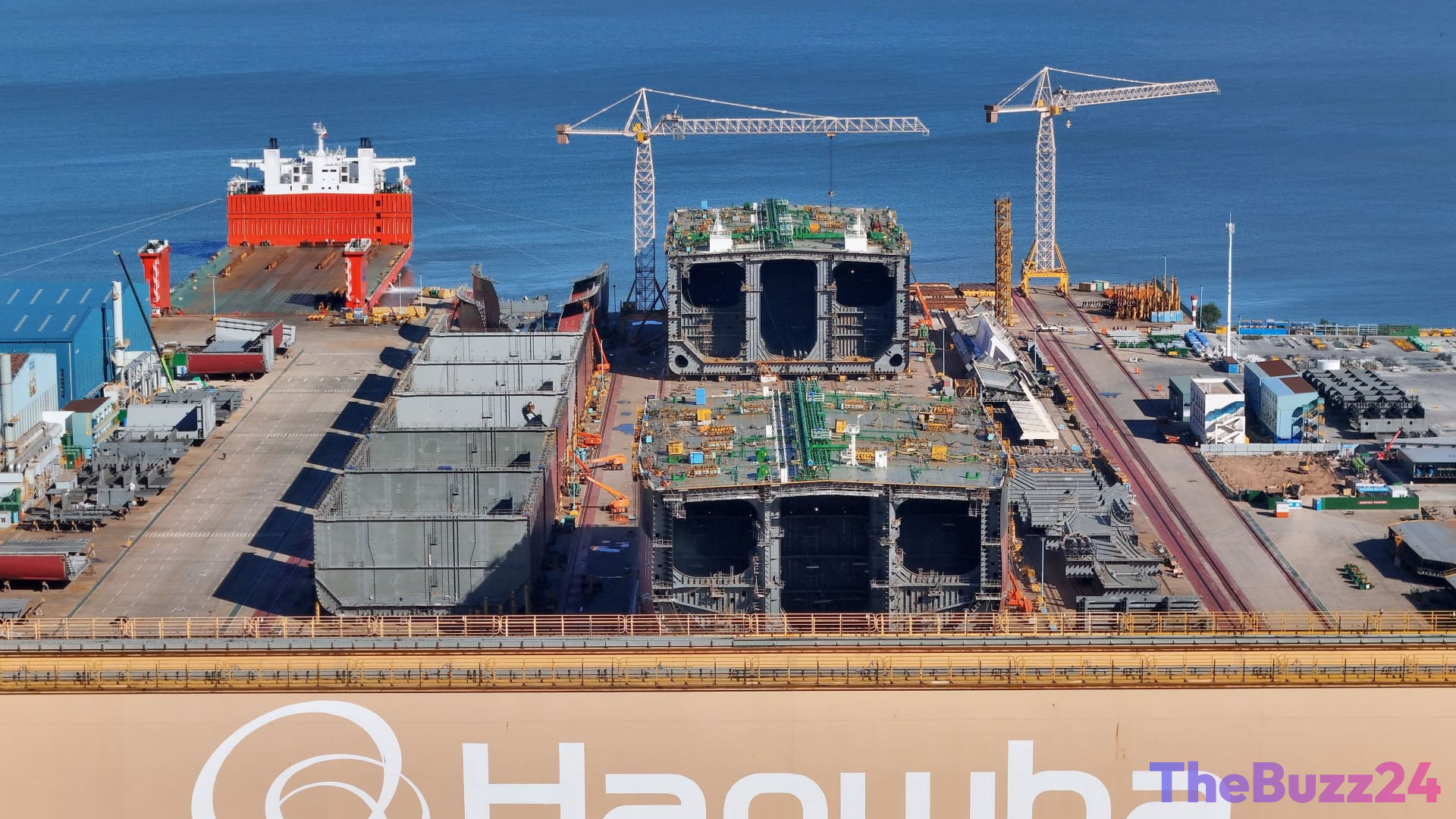
South Korean shipbuilder Hanwha Ocean experienced a severe market setback on Tuesday, with its shares plummeting approximately 23% following the announcement that it lost a highly competitive bid to construct Canada’s next-generation submarine fleet. The lucrative contract, estimated to be worth up to $100 billion over a 30-year span, was instead awarded to Germany’s Thyssenkrupp Marine Systems (TKMS). Canadian Prime Minister Mark Carney declared TKMS as the preferred supplier for the massive defense project.
The decision represents a significant blow to Hanwha Ocean’s long-term growth projections, given the scale and duration of the Canadian defense initiative. In response to the disappointing outcome, South Korean President Lee Jae Myung expressed resilience, noting on social media that while the results were unexpected, challenges are an inherent part of such pursuits and emphasized the importance of continuing forward.
TKMS will supply its 212CD submarine platform, a model already utilized by Germany and Norway, both of which are close Canadian allies. The German defense firm highlighted that this agreement initiates a new era of defense cooperation among the three NATO allies, aligning their security interests and technical expertise. Furthermore, securing a European partner allows Canada to integrate more deeply with European defense and industrial networks, a strategic move amid ongoing pressure from U.S. President Donald Trump regarding NATO defense expenditures.
Industry analysts suggest that Canada’s selection of TKMS is not a slight against South Korea or its Indo-Pacific strategy. Instead, the decision underscores the powerful influence of NATO alliances, Arctic operational requirements, transatlantic defense integration, and the mitigation of procurement risks.
Key Takeaways
- Hanwha Ocean's stock plummeted by 23% after losing the bid for Canada's new submarine fleet.
- Germany's Thyssenkrupp Marine Systems (TKMS) was selected as the preferred supplier for the contract, valued at up to $100 billion over 30 years.
- The decision highlights Canada's strategic focus on NATO alignment, transatlantic defense integration, and Arctic capabilities.
Editor’s Analysis & Impact
The loss of the Canadian submarine contract is a major valuation shock for Hanwha Ocean, reflecting how geopolitical alignments often override purely commercial or technical bids in multi-billion-dollar defense procurement. By selecting Germany’s TKMS, Canada has prioritized interoperability with key NATO and European allies, particularly Germany and Norway, who already utilize the 212CD submarine platform. This decision also serves as a strategic hedge for Canada, strengthening its transatlantic defense ties at a time of heightened pressure from the United States regarding defense spending. For Hanwha Ocean and the broader South Korean defense sector, this outcome underscores the challenges of breaking into established Western defense networks, despite their growing competitiveness. Moving forward, South Korean defense firms will likely need to deepen their strategic partnerships within NATO to secure future large-scale naval contracts.
Frequently Asked Questions
Q: Why did Hanwha Ocean's stock drop so sharply?
A: Hanwha Ocean's shares fell by 23% because the company lost a massive, long-term Canadian submarine contract valued at up to $100 billion, which investors had highly anticipated as a major revenue driver.
Q: Which company won the Canadian submarine contract?
A: Germany's Thyssenkrupp Marine Systems (TKMS) was selected as the preferred supplier, offering its 212CD submarine platform.
Q: What strategic factors influenced Canada's decision?
A: Canada's choice was heavily influenced by its existing NATO alliances, transatlantic defense integration, Arctic operational capabilities, and the desire to share technology with close allies like Germany and Norway.
AI Disclosure: This article is based on verified data and official reports. Our Team and AI have cross-referenced every financial detail with primary sources to ensure total accuracy.
More from this Category