Tech Tensions Escalate: Alibaba Bans Anthropic AI Amid Security Concerns and ‘Distillation Attack’ Claims
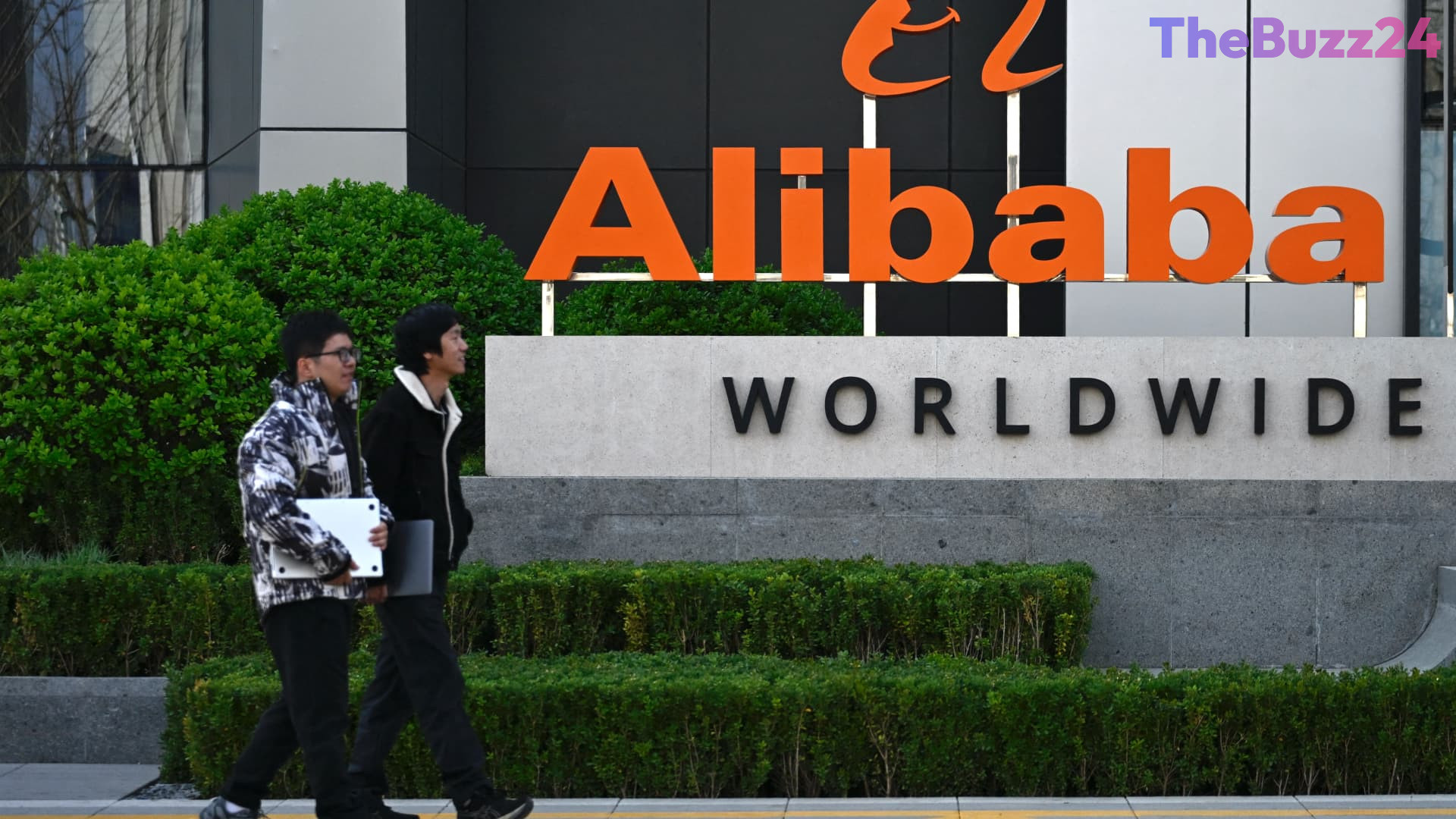
Alibaba has prohibited its employees from utilizing artificial intelligence tools developed by Anthropic, effective July 10. The Chinese e-commerce giant has categorized Anthropic’s Claude Code as high-risk software, citing potential back-door security vulnerabilities.
This move by Alibaba follows a significant accusation made by Anthropic in June. The U.S. AI firm alleged that Alibaba had engaged in a “brazen” and “illicit” attempt to extract its AI capabilities, describing it as the “largest known distillation attack” to date. Anthropic’s terms of service explicitly forbid Chinese companies and other designated “adversarial nations” from accessing its AI models. Consequently, Alibaba employees are now mandated to uninstall all Anthropic models and agent products, with instructions to transition to the company’s proprietary AI assistant, Qoder.
The ban unfolds amidst growing online criticism in China directed at Anthropic, spurred by discussions on platforms like Reddit and GitHub detailing hidden code designed to detect users based in China. Furthermore, Anthropic is reportedly tightening loopholes that have allowed Chinese entities to circumvent restrictions and access its Claude AI through third-country channels. This includes instances where companies like Ant, a Chinese fintech group, allegedly provided employees with corporate Claude accounts linked to Singapore-based entities, and ByteDance, the parent company of TikTok, initiated a reimbursement program for engineers to expense personal AI subscriptions accessed via VPNs. Both Alibaba and Anthropic have declined to comment on the unfolding situation.
Key Takeaways
- Alibaba has banned its employees from using Anthropic's AI tools, including Claude Code, citing security risks and placing them on a high-risk software list.
- The ban follows Anthropic's accusation that Alibaba conducted a 'distillation attack' to illicitly extract its AI capabilities, violating Anthropic's terms of service which prohibit Chinese companies from using its models.
- The incident highlights escalating tensions in the US-China tech rivalry, with Anthropic actively working to close loopholes that allowed Chinese companies like Ant and ByteDance to access its AI via third-country entities or reimbursement programs.
Editor’s Analysis & Impact
This development underscores the intensifying technological rivalry and intellectual property concerns between the U.S. and China, particularly in the critical field of artificial intelligence. Alibaba’s ban on Anthropic’s tools, coupled with Anthropic’s ‘distillation attack’ accusation, signals a significant escalation in corporate espionage and cybersecurity vigilance within the AI sector. The broader implications include a potential acceleration of ‘decoupling’ in AI development, forcing Chinese companies to rely more heavily on domestic AI solutions like Alibaba’s Qoder. This could lead to fragmented global AI ecosystems, impacting innovation, collaboration, and the universal accessibility of advanced AI technologies. Companies will likely increase their scrutiny of supply chains and user access protocols to protect proprietary AI models.
Frequently Asked Questions
Q: What is a 'distillation attack' in the context of AI?
A: A 'distillation attack' typically refers to a method where an attacker attempts to extract the knowledge, capabilities, or underlying model architecture of a proprietary AI system, often by querying it extensively and then training a smaller, less complex model to mimic its behavior. This can be done to replicate the AI's functionality without direct access to its source code or training data, potentially violating intellectual property rights.
Q: Why does Anthropic prohibit Chinese companies from using its AI models?
A: Anthropic's terms of service ban Chinese companies and other 'adversarial nations' from using its models due to geopolitical concerns, national security implications, and intellectual property protection. This policy reflects broader U.S. government restrictions and corporate strategies aimed at safeguarding advanced AI technology from potential misuse or unauthorized replication by foreign entities.
Q: What is Alibaba's alternative AI for its employees?
A: Following the ban on Anthropic's tools, Alibaba employees are required to use the company's own artificial intelligence assistant, Qoder. This move aligns with a broader trend among major tech companies to develop and promote their in-house AI solutions, especially in regions facing geopolitical restrictions on foreign technology.
AI Disclosure: This article is based on verified data and official reports. Our Team and AI have cross-referenced every financial detail with primary sources to ensure total accuracy.
More from this Category