Strategy Shifts Capital Management: Selling Bitcoin to Fund Shareholder Dividends
Strategy, the enterprise software firm turned Bitcoin treasury giant, has begun liquidating portions of its massive Bitcoin holdings to meet obligations to preferred shareholders. Between late June and early July 2026, the company sold 3,588 BTC, marking a rare departure from its long-standing ‘buy and hold’ philosophy. These sales, which generated approximately $218.5 million, were primarily directed toward funding dividend payments for preferred stock and bolstering the company’s USD reserves.
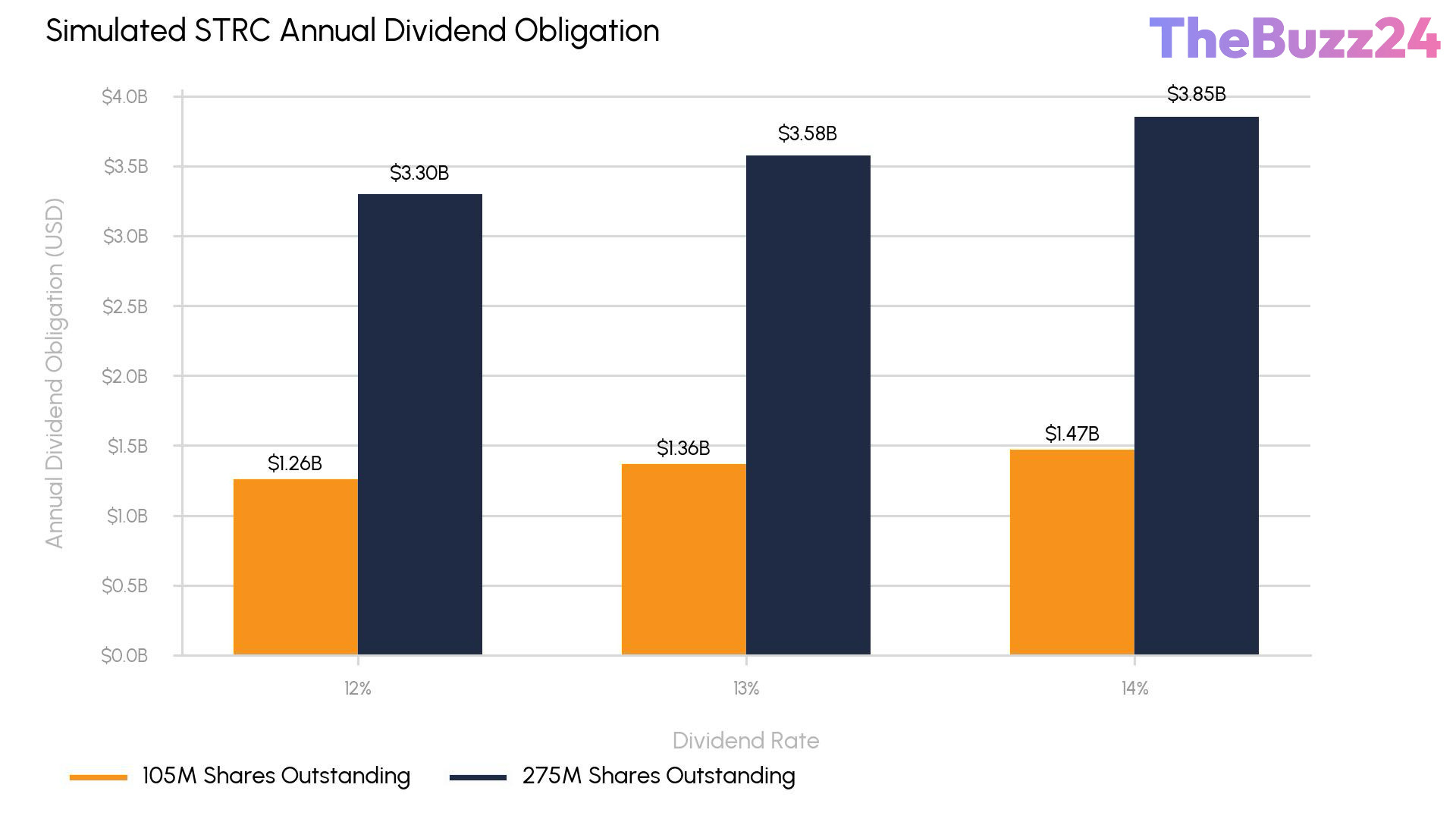
The move highlights the complexities of Strategy’s aggressive capital structure. The company has issued various forms of convertible debt and perpetual preferred stock to finance its Bitcoin accumulation. Specifically, the ‘STRC’ preferred shares feature a variable dividend rate that adjusts based on market performance, currently costing the firm roughly $1.26 billion annually. As these financial obligations grow, the company has established a ‘Bitcoin Monetization Program,’ authorizing the sale of up to $1.25 billion in Bitcoin to ensure it maintains a sufficient cash buffer for its creditors.
Despite the recent sales, the company maintains that these liquidations represent a small fraction of its total holdings—less than 1% of its total Bitcoin stash. Management is now focusing on optimizing trade execution to minimize market impact when selling large volumes. By leveraging deep liquidity across multiple exchanges, the firm aims to maximize the value of its assets while continuing to navigate the balance between servicing debt and maintaining its position as a primary corporate holder of Bitcoin.
Looking ahead, the sustainability of this model rests on the company’s ability to manage its USD reserves and the potential for Bitcoin to serve as collateral for broader financial products. While the company continues to prioritize Bitcoin accumulation, the necessity of servicing its layered capital stack has introduced a new, more active phase of balance sheet management that balances asset growth with the practical requirements of corporate finance.
Key Takeaways
- Strategy sold 3,588 BTC in early July 2026 to fund preferred share dividends and replenish USD reserves.
- The company's complex capital structure, including variable-rate preferred shares, creates significant annual dividend costs exceeding $1 billion.
- A new 'Bitcoin Monetization Program' allows the firm to sell up to $1.25 billion in Bitcoin to manage liquidity and meet creditor obligations.
Editor’s Analysis & Impact
The shift in Strategy’s operational strategy marks a critical evolution in the ‘Bitcoin Treasury’ model. Initially, the company relied on debt and equity issuance to fuel its Bitcoin accumulation, operating under the assumption that asset appreciation would outpace the cost of capital. However, the introduction of high-yield, variable-dividend preferred shares has created a recurring cash-flow pressure that cannot be ignored. By formalizing a Bitcoin monetization program, the firm is signaling to the market that it is transitioning from a pure accumulation phase to a more sophisticated, albeit riskier, treasury management phase. The long-term success of this model depends on whether the company can successfully utilize Bitcoin as collateral for credit, thereby reducing the need for outright asset sales. If the company fails to innovate its financial products, it risks diluting its Bitcoin-per-share metric, which is the primary value proposition for its investors.
Frequently Asked Questions
Q: Why is Strategy selling its Bitcoin holdings?
A: Strategy is selling a small portion of its Bitcoin to generate cash for paying dividends to preferred shareholders and to maintain a USD reserve buffer for its ongoing financial obligations.
Q: Does this mean Strategy is abandoning its Bitcoin-first strategy?
A: No, the company maintains that these sales are minimal—representing less than 1% of its total holdings—and are intended to support the sustainability of its capital structure while it continues to hold the vast majority of its Bitcoin.
AI Disclosure: This article is based on verified data and official reports. Our Team and AI have cross-referenced every financial detail with primary sources to ensure total accuracy.
More from this Category