Manhattan High-Rise Remains Unstable Following Structural Failure During Construction
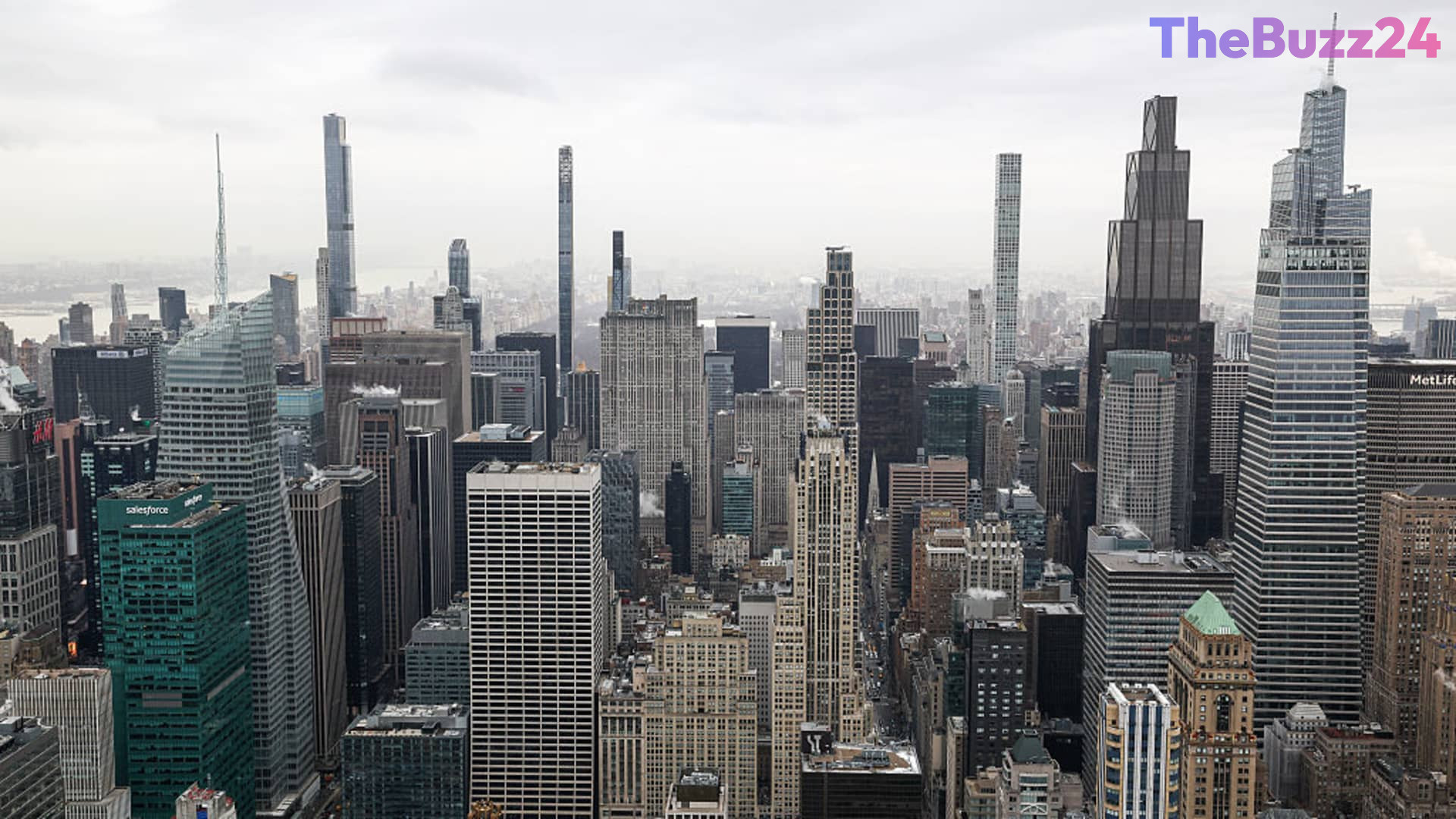
A major construction site in Manhattan remains in a precarious state after structural columns buckled, causing debris to rain down onto the street during the Tuesday morning commute. The 37-story tower, a former Pfizer global headquarters currently undergoing a massive conversion into luxury residential apartments, has been deemed unstable by city officials. The incident prompted immediate evacuations of surrounding buildings, including a nearby school housing approximately 400 students.
Emergency responders and engineers are currently managing the site, which is located in a high-traffic corridor near the Chrysler Building and Grand Central Terminal. According to the Fire Department, the structural failure originated on the 21st and 22nd floors, where two columns buckled, leading to significant sagging across multiple levels. While all construction workers have been accounted for and no injuries were reported, the building continues to exhibit movement, complicating stabilization efforts.
To mitigate risk to personnel, authorities are utilizing drones to monitor the structural integrity of the tower while engineers devise a plan to shore up the damaged floors. The project, led by architectural firm Gensler, is intended to be the largest office-to-residential conversion in New York City history, involving the addition of over a dozen stories to the original structure. For now, the surrounding streets remain closed to both pedestrian and vehicular traffic as the city’s building department continues its investigation into the cause of the collapse.
Key Takeaways
- A 37-story Manhattan high-rise undergoing a major residential conversion remains unstable after columns buckled on the 21st and 22nd floors.
- No injuries were reported, but the incident forced the evacuation of nearby buildings, including a school with 400 children.
- Emergency crews are using drones to monitor the building's movement as engineers work to stabilize the sagging structure.
Editor’s Analysis & Impact
The structural failure at this high-profile conversion project highlights the inherent risks associated with repurposing aging commercial infrastructure for residential use. As cities globally look to office-to-residential conversions to address housing shortages and declining commercial real estate values, this incident serves as a stark reminder of the engineering complexities involved. The project, billed as the largest of its kind in New York City, will likely face intense scrutiny from regulators and the public, potentially leading to stricter oversight for similar adaptive reuse developments. The long-term impact could include increased compliance costs and delays for developers, as the industry grapples with the safety challenges of modifying 1970s-era skyscrapers to meet modern residential building codes.
Frequently Asked Questions
Q: Are there any reported injuries from the building collapse?
A: No, all construction workers were accounted for, and there have been no reports of injuries to the public or workers.
Q: Why is the building considered unstable?
A: The building is considered unstable because two structural columns buckled on the 21st and 22nd floors, causing floors to sag and the structure to continue moving after the initial incident.
AI Disclosure: This article is based on verified data and official reports. Our Team and AI have cross-referenced every financial detail with primary sources to ensure total accuracy.
More from this Category