The Fed’s Rate Dilemma: Why a Single Hike May Not Be Enough
The Federal Reserve is currently navigating a period of internal friction as officials weigh how to address persistent inflation. While the committee has signaled a potential single interest rate hike for the year followed by a pause, historical data and market experts suggest that such a limited approach is uncharacteristic of the central bank. Historically, the Federal Open Market Committee (FOMC) tends to operate in cycles, implementing multiple adjustments over time rather than relying on one-off policy shifts to achieve economic stability.
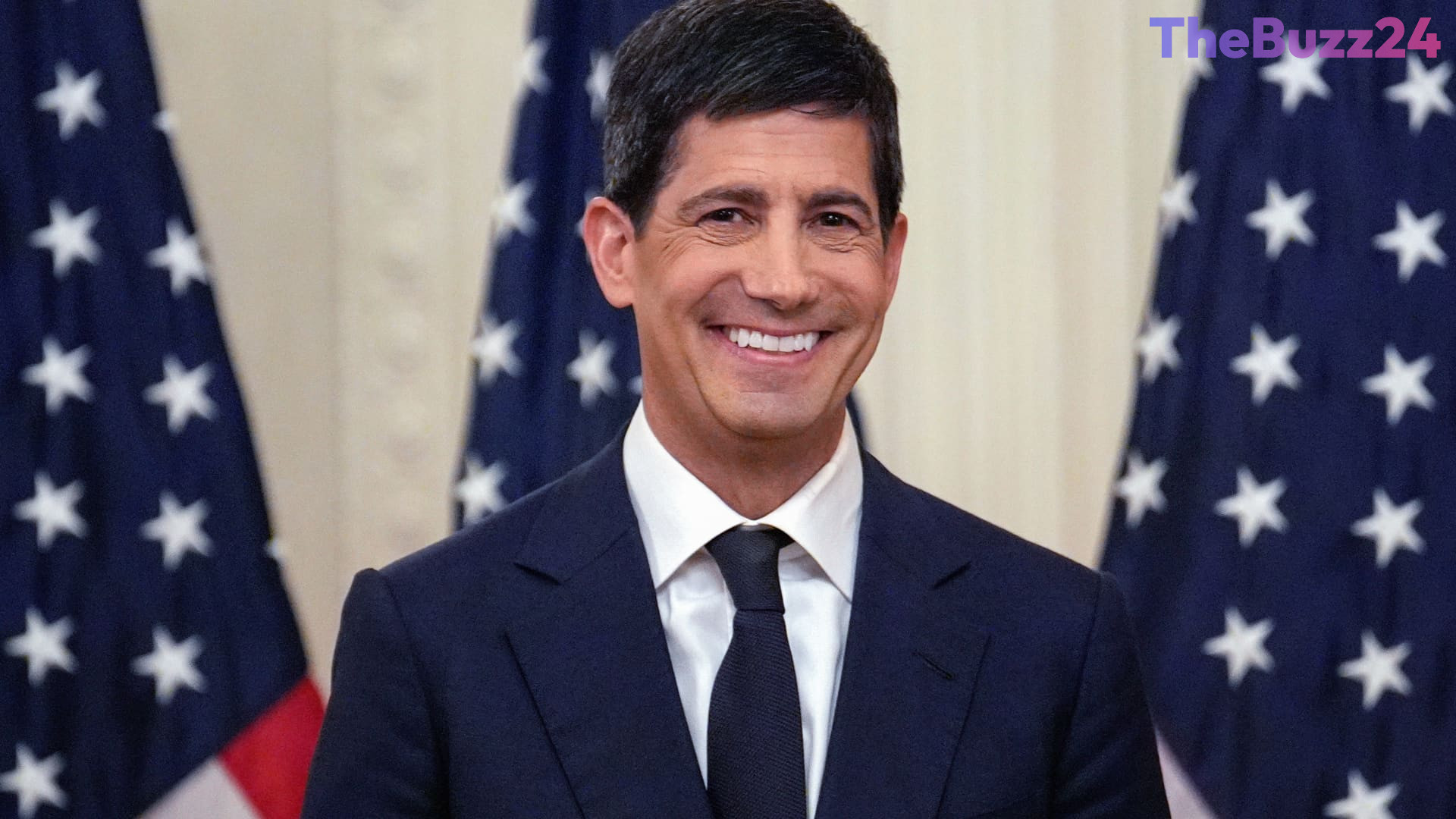
Former St. Louis Fed President Jim Bullard has expressed skepticism regarding the efficacy of a single rate increase, noting that the committee rarely acts in isolation. This internal debate, described by Chairman Kevin Warsh as a ‘good family fight,’ highlights the difficulty of balancing the need for aggressive action against the risks of over-tightening. With inflation remaining stubbornly above the 2% target for five years, the pressure is mounting for the Fed to demonstrate a clear and persistent strategy to regain control of price levels.
As the market awaits the release of the June meeting minutes, there is growing anticipation that the Fed may shift toward a more opaque communication style under Chairman Warsh. Analysts suggest that the detailed ‘forward guidance’ previously provided may be replaced by more generalized summaries, potentially complicating the task for investors trying to predict future policy moves. Meanwhile, a disconnect remains between the optimistic inflation expectations priced into Treasury markets and the more pessimistic outlook held by consumers, leaving the Fed in a precarious position as it approaches critical policy decisions later this year.
Key Takeaways
- The Federal Reserve is debating a single rate hike, but historical trends suggest the committee typically prefers multi-step tightening cycles.
- Chairman Kevin Warsh is expected to move toward less transparent communication, potentially reducing the detail provided in future FOMC meeting minutes.
- There is a growing gap between market-priced inflation expectations and consumer sentiment, complicating the Fed's path toward its 2% inflation target.
Editor’s Analysis & Impact
The current Federal Reserve policy environment reflects a transition toward a more guarded and potentially less transparent era under Chairman Kevin Warsh. The market’s reliance on ‘forward guidance’ has been a cornerstone of stability for years, and any move to reduce the granularity of meeting minutes could lead to increased volatility as investors struggle to interpret the committee’s intent. Economically, the Fed is caught between the political risks of acting before the midterm elections and the long-term danger of allowing inflation expectations to become unanchored. If the Fed fails to initiate a sustained tightening cycle, it risks losing credibility with the public, who are currently feeling the brunt of high prices. The divergence between Wall Street’s outlook and consumer sentiment suggests that the ‘soft landing’ narrative remains fragile, and the central bank may be forced into more aggressive action than currently projected.
Frequently Asked Questions
Q: Why do experts doubt the Fed will only implement one rate hike?
A: Historically, the Federal Reserve rarely makes one-off rate adjustments. Policy is typically implemented in cycles, where multiple moves are made over time to effectively address persistent economic issues like inflation.
Q: How might the Fed's communication style change under Chairman Kevin Warsh?
A: Analysts expect the Fed to provide less 'forward guidance' and less detailed information in its meeting minutes, potentially moving toward a more anodyne, less descriptive style of reporting on internal debates.
AI Disclosure: This article is based on verified data and official reports. Our Team and AI have cross-referenced every financial detail with primary sources to ensure total accuracy.
More from this Category