Why Shenzhen Is Replacing Silicon Valley as the Hub for Next-Gen Hardware
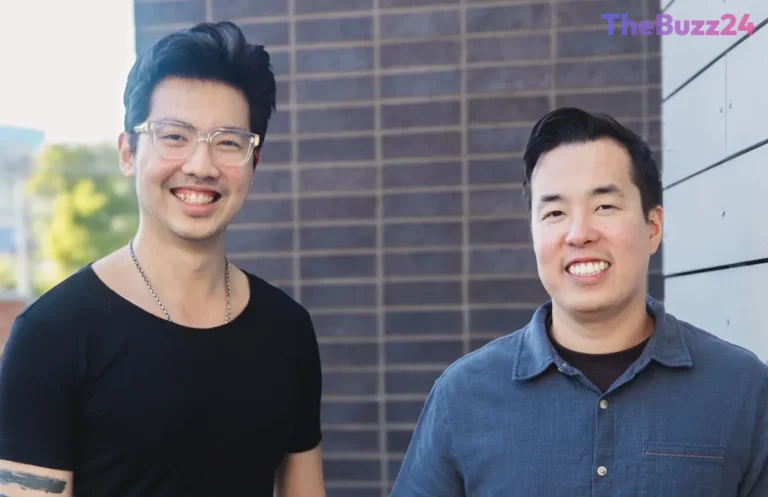
Will Wang, a former Apple executive and current CEO of the smart-glasses startup Even Realities, believes the future of consumer electronics lies in Shenzhen rather than Silicon Valley. Having worked on the development and mass production of the Apple Watch and iPhone, Wang argues that the traditional tech hub of California has shifted its focus away from hardware, prioritizing software and AI applications instead. This shift has left a void for founders looking to build physical products, as Silicon Valley investors increasingly shy away from the long development cycles and supply chain complexities inherent in hardware manufacturing.
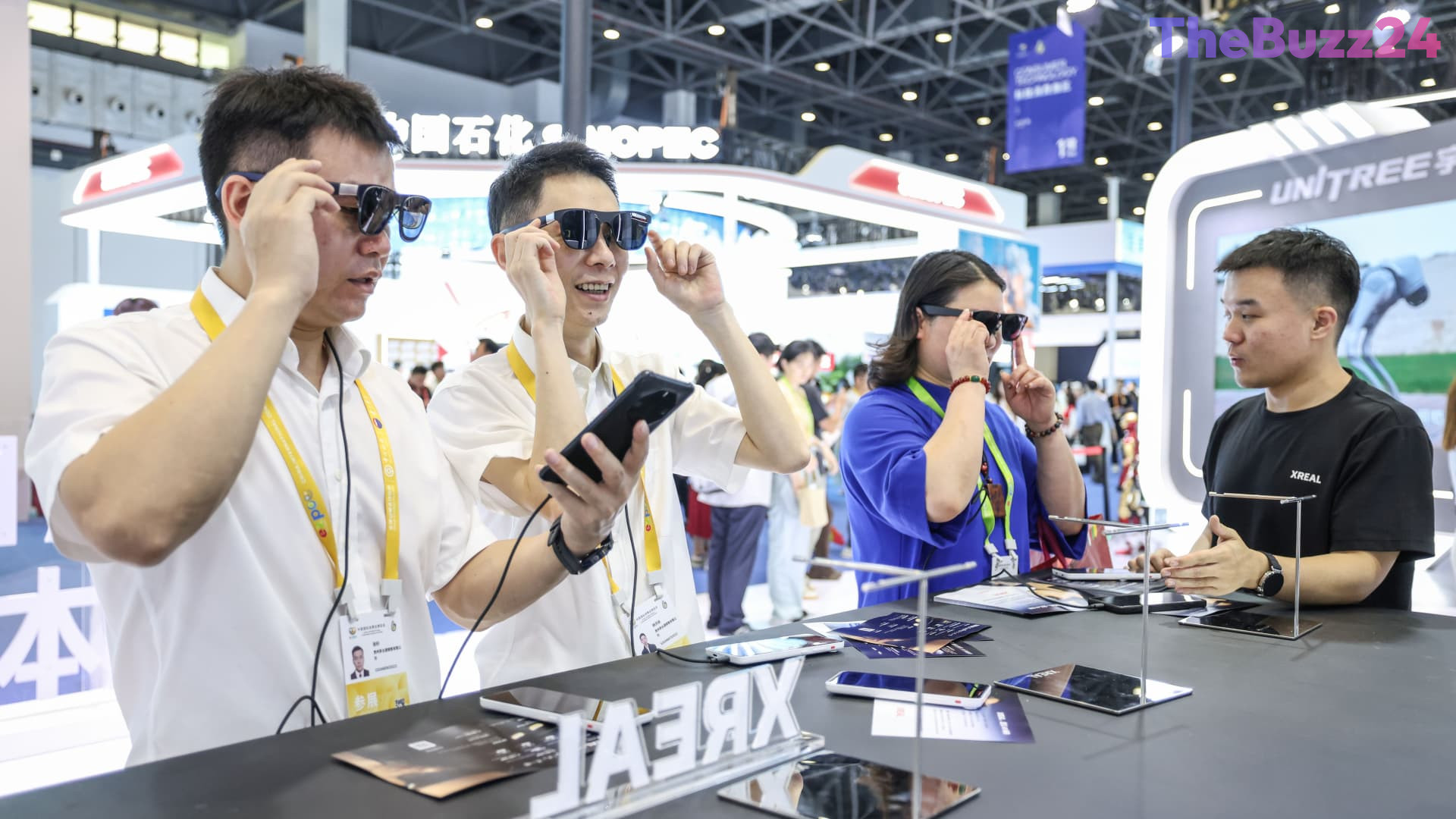
In contrast, Shenzhen offers an unparalleled ecosystem for hardware innovation. The city serves as a global powerhouse for mechanical, electrical, and optical engineering, supported by a dense cluster of industry giants like Huawei, DJI, and BYD. For Even Realities, which recently achieved unicorn status with a $1 billion valuation after raising $150 million, this proximity to manufacturing talent and supply chain infrastructure is essential. The company is currently focused on the AI wearables market, positioning its G2 smart glasses and R1 control ring as direct competitors to established players like Meta.
Despite the company’s deep roots in the Chinese tech ecosystem, Even Realities maintains a global outlook. With over half of its user base currently located in the United States, the startup is planning to court international investors in its next funding round to fuel further overseas expansion. By leveraging China’s manufacturing depth to complement advancements in AI, Even Realities aims to prove that the next generation of consumer electronics will be born in the factories of Shenzhen rather than the software-centric boardrooms of the West.
Key Takeaways
- Former Apple executive Will Wang claims Silicon Valley is losing its edge in hardware innovation due to a shift toward software and AI.
- Shenzhen is emerging as the preferred hub for consumer electronics startups, offering superior access to engineering talent and supply chain infrastructure.
- Even Realities, a smart-glasses unicorn, is leveraging Chinese manufacturing to compete in the global AI wearables market while targeting international investors for future growth.
Editor’s Analysis & Impact
The pivot of hardware innovation from Silicon Valley to Shenzhen represents a significant shift in the global tech landscape. While Silicon Valley remains the undisputed leader in software and large-scale AI model development, the ‘hardware-as-a-service’ model is struggling to find venture capital support in the U.S. due to high capital intensity and slower ROI. Shenzhen’s ability to iterate rapidly on physical prototypes provides a distinct competitive advantage for startups like Even Realities. However, these companies face geopolitical headwinds and the challenge of scaling consumer trust in international markets. If successful, this model could force a re-evaluation of how hardware startups are funded globally, potentially leading to a bifurcated industry where design and software are centralized in the U.S., while manufacturing and hardware engineering remain firmly anchored in East Asia.
Frequently Asked Questions
Q: What makes Even Realities' smart glasses different from Meta's Ray-Ban line?
A: Unlike Meta's smart glasses, the Even Realities G2 model does not include a camera or recording hardware, focusing instead on notifications, navigation, and live translation through a heads-up display.
Q: Why is the CEO of Even Realities choosing Shenzhen over Silicon Valley?
A: The CEO cites Shenzhen's deep pool of mechanical, electrical, and optical engineering talent, as well as its dominance in supply chain infrastructure, which he believes is essential for building the next generation of consumer electronics.
AI Disclosure: This article is based on verified data and official reports. Our Team and AI have cross-referenced every financial detail with primary sources to ensure total accuracy.
More from this Category