Global Tech Rally Sparks Asian Market Surge as Chipmakers Lead the Charge
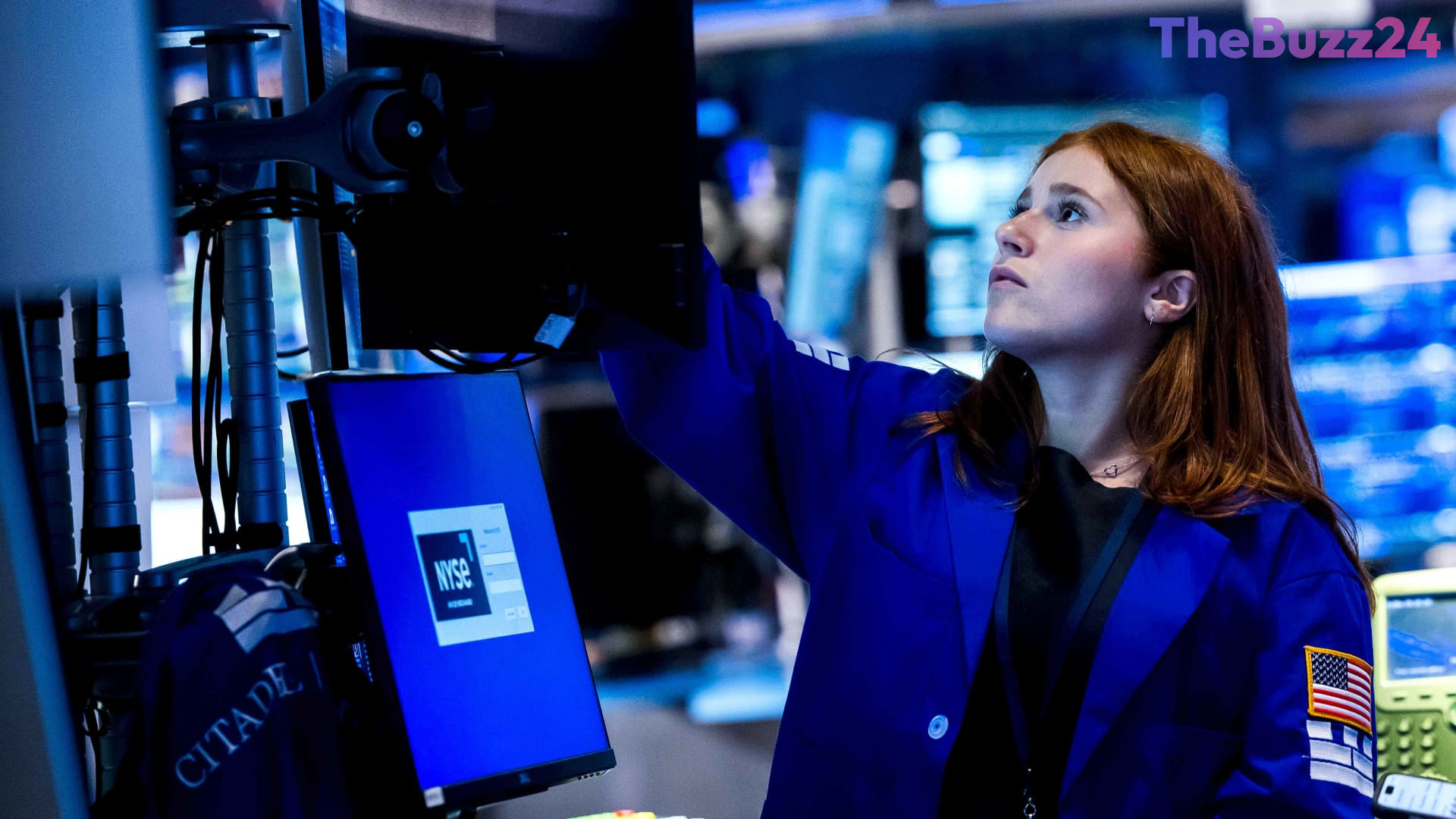
Global financial markets experienced a wave of optimism as a robust technology-led rally on Wall Street spilled over into Asian trading sessions. Although U.S. stock futures ticked slightly lower on Thursday night, major indices remained on track for weekly gains. The Nasdaq Composite and S&P 500 closed higher by 1.3% and 0.8% respectively on Thursday, driven by strong investor confidence in corporate earnings and a cooling of geopolitical tensions in the Middle East.
This positive momentum triggered a massive rally across Asia-Pacific markets on Friday, with South Korean and Japanese equities leading the charge. South Korea’s Kospi index surged over 4.6%, while Japan’s Nikkei 225 jumped 2.4%. The technology sector was the primary catalyst, highlighted by an 11% surge in SoftBank Group. Other major semiconductor and electronics players also posted significant gains, including Samsung Electronics, which rose 4.3%, and Samsung SDI, which climbed over 8%.
Investor attention is highly focused on the semiconductor industry as South Korean memory giant SK Hynix prepares for its highly anticipated U.S. market debut. The company priced its American depository receipts at $149 per share, capitalizing on the massive global demand for artificial intelligence memory chips. Meanwhile, in corporate earnings, WD-40 Company saw its shares skyrocket 15% after delivering third-quarter financial results that comfortably beat expectations and raising its full-year guidance.
In the energy sector, oil prices remained relatively stable, with Brent crude and West Texas Intermediate trading near $76.40 and $72.22 per barrel, respectively. The stabilization comes amid renewed hopes for diplomatic talks between the United States and Iran, with mediation efforts reportedly underway via Qatar and Pakistan. This potential easing of tensions has helped soothe investor worries regarding supply disruptions through the critical Strait of Hormuz, where tanker traffic had recently slowed.
Key Takeaways
- Asian technology stocks, led by an 11% surge in SoftBank, rallied strongly following a robust session for U.S. chipmakers.
- South Korea's SK Hynix is set for its U.S. market debut, pricing its American depository receipts at $149 per share amid high demand for AI memory.
- Oil prices stabilized as diplomatic efforts by Qatar and Pakistan aim to ease tensions between the U.S. and Iran, reducing fears of supply chain bottlenecks in the Strait of Hormuz.
Editor’s Analysis & Impact
The current market dynamics underscore a profound reliance on the semiconductor and artificial intelligence sectors to sustain global equity momentum. While some analysts have raised concerns over potential ‘AI fatigue,’ robust corporate earnings continue to validate high valuations. The successful U.S. listing of SK Hynix highlights the insatiable global appetite for high-bandwidth memory chips essential for AI infrastructure. Furthermore, the broadening of market gains beyond mega-cap tech—as seen in WD-40’s stellar earnings—suggests a healthier economic backdrop. However, geopolitical risks in the Middle East remain a critical wild card. While diplomatic overtures have temporarily stabilized oil prices, any escalation in the Strait of Hormuz could quickly reignite inflation fears, forcing central banks to maintain restrictive monetary policies and potentially stalling the current stock market expansion.
Frequently Asked Questions
Q: Why did Asian technology stocks rally so sharply?
A: Asian tech shares surged in response to a strong overnight performance by U.S. chipmakers and optimistic corporate earnings, which boosted investor confidence in the global semiconductor supply chain.
Q: What is the significance of SK Hynix's U.S. listing?
A: SK Hynix is a major global memory chipmaker. Its U.S. debut, priced at $149 per share, reflects the massive global demand for specialized memory chips required to power artificial intelligence applications.
Q: How are geopolitical events affecting oil prices?
A: Oil prices have stabilized around $72 to $76 per barrel as diplomatic mediation by Qatar and Pakistan offers hope for easing U.S.-Iran tensions, offsetting concerns over reduced shipping traffic in the Strait of Hormuz.
AI Disclosure: This article is based on verified data and official reports. Our Team and AI have cross-referenced every financial detail with primary sources to ensure total accuracy.
More from this Category