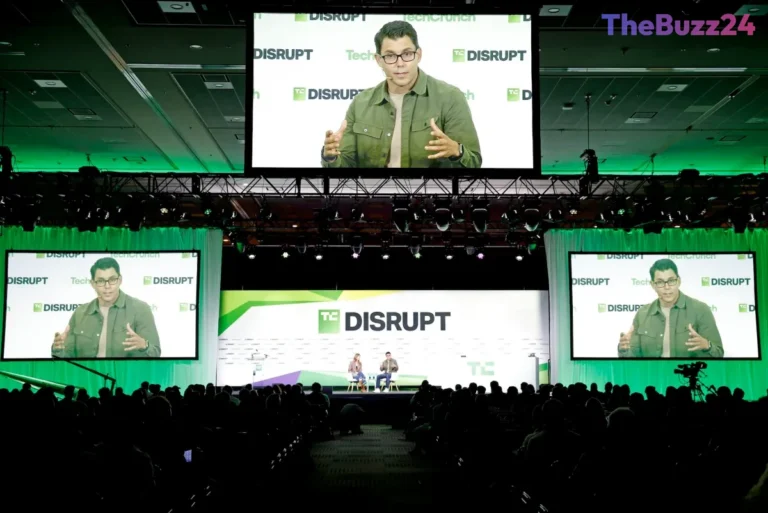
The Price of Intelligence: Why Tech Leaders Say AI Token Costs Must Plummet by 90%
The financial burden of deploying artificial intelligence is emerging as a primary barrier to widespread enterprise adoption. Palo Alto Networks CEO Nikesh Arora has warned that the cost of AI tokens—the basic units of data processed by large language models—must decrease by as much as 90% over the next two years for businesses to fully integrate these technologies. While recent advancements have improved efficiency, Arora argues that the current pricing structure remains too prohibitive for most organizations to sustain long-term AI operations.
Arora’s comments come amid incremental progress from leading AI developers. OpenAI CEO Sam Altman recently highlighted that the company’s latest model achieved a 54% increase in token efficiency for agentic coding tasks. While Arora acknowledged this development as a positive step, he emphasized that much steeper declines are necessary. According to his projections, token costs need to fall to 20% of their current rates within the next 12 months, ultimately reaching a 90% reduction by the following year to make enterprise AI economically viable.
This sentiment is shared by other prominent tech executives who are increasingly critical of current commercial AI pricing structures. Palantir CEO Alex Karp recently criticized the token-based monetization models utilized by major developers like OpenAI and Anthropic, suggesting that businesses are wasting resources on inefficient token consumption. Consequently, many enterprises are turning toward cheaper open-weight models, including rapidly advancing alternatives from Chinese developers, to bypass high licensing fees.
Despite these pricing hurdles, capital expenditure in the AI sector continues to surge. Tech giants are raising unprecedented amounts of capital to fund infrastructure, with SpaceX securing $25 billion through a bond sale and Amazon raising an equivalent amount in debt. Arora remains optimistic that the market will eventually stabilize, noting that the virtually infinite demand for AI capabilities will drive technological efficiencies, ultimately rationalizing costs and aligning budgets over time.
Key Takeaways
- Palo Alto Networks CEO Nikesh Arora asserts that AI token costs must decrease by 90% over the next two years to make enterprise adoption viable.
- High token pricing is driving some businesses toward open-weight models, including competitive alternatives from Chinese developers.
- Despite current cost barriers, massive capital investments in AI infrastructure continue, highlighted by multi-billion-dollar debt raises by Amazon and SpaceX.
Editor’s Analysis & Impact
The pushback from enterprise leaders like Nikesh Arora and Alex Karp signals a critical transition phase in the AI hype cycle: the shift from experimentation to cost-justified implementation. Currently, the high marginal cost of running queries (tokens) threatens to limit AI to a luxury tool rather than an ubiquitous utility. This economic pressure is accelerating the adoption of open-weight and open-source models, which offer enterprises greater control over their infrastructure and spending. Consequently, proprietary AI developers like OpenAI and Anthropic face intense pressure to not only improve model capabilities but also aggressively optimize their pricing structures. In the long run, the massive capital expenditures currently being poured into infrastructure by giants like Amazon will likely yield hardware and software efficiencies that drive down token costs, but the interim period will be characterized by a fierce battle between high-cost proprietary models and increasingly capable, budget-friendly open alternatives.
Frequently Asked Questions
Q: What is an AI token, and why are its costs important?
A: A token is a basic unit of data (such as a word or a fragment of a word) that an AI model processes to understand and generate text. Token costs are critical because they directly determine the operational expense of running AI applications; high token costs make large-scale enterprise deployment financially unsustainable.
Q: Why are some companies turning to open-weight AI models?
A: Open-weight models allow businesses to host and run AI systems on their own infrastructure, bypassing the recurring per-token fees charged by proprietary API providers. This offers a more predictable and often cheaper alternative for enterprises looking to scale their AI operations.
Q: How are AI developers responding to demands for lower costs?
A: AI developers are focusing heavily on efficiency optimizations. For example, OpenAI recently improved token efficiency by 54% for specific coding tasks. However, industry leaders argue that much steeper price drops are required to meet enterprise demands.
AI Disclosure: This article is based on verified data and official reports. Our Team and AI have cross-referenced every financial detail with primary sources to ensure total accuracy.
More from this Category