AI and Data Center Concerns Emerge as Key Battlegrounds in Tight Michigan Senate Primary
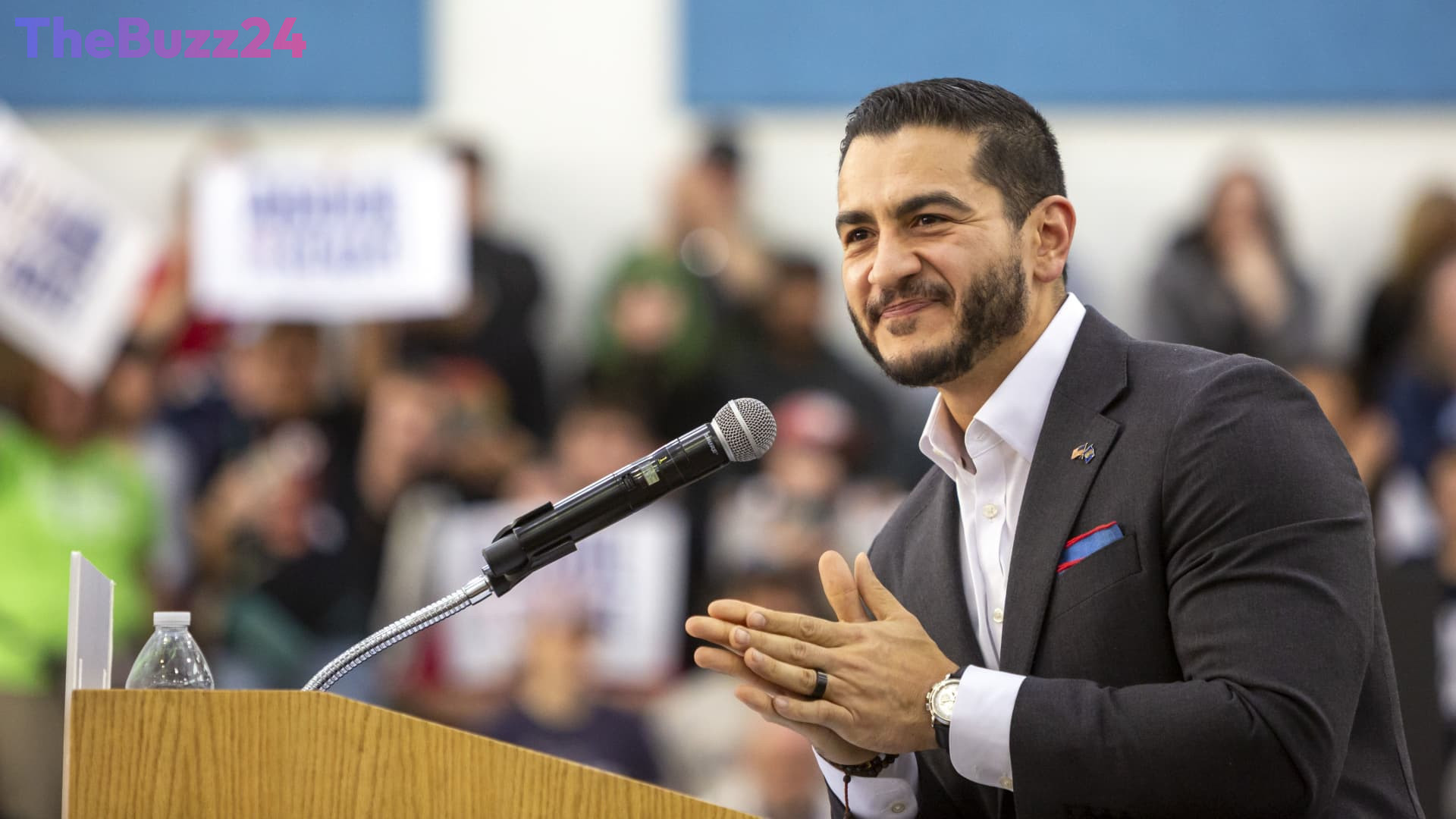
The upcoming Democratic primary for the Michigan Senate seat is shaping up to be a significant contest, with progressive candidate Abdul El-Sayed positioning concerns over artificial intelligence and data centers as central to his campaign. El-Sayed, an epidemiologist and former public health official, argues that these emerging technologies and the infrastructure supporting them are pressing issues for voters, often overlooked by Washington policymakers.
El-Sayed is locked in a close race with incumbent Rep. Haley Stevens, a moderate Democrat. This primary is seen as a microcosm of the broader ideological struggle within the Democratic Party, pitting progressive ideals against more established, moderate stances. El-Sayed’s campaign has highlighted his more critical approach to AI and data center development, contrasting with Stevens’ generally more supportive, yet cautious, outlook. The outcome could influence how Democratic candidates nationwide address these complex technological issues.
While Michigan is not a leading state in terms of AI data center presence, public apprehension regarding AI’s societal impact is growing nationwide. El-Sayed has proposed a detailed framework for regulating data centers, emphasizing job guarantees, stable utility rates, and environmental protections, though he stops short of calling for a complete halt to development. His broader AI policy includes ideas such as public ownership of the technology and an “AI dividend” for citizens, aiming for democratic oversight of transformative technologies.
Conversely, Rep. Stevens, who has a background in technology policy, points to her work on AI safety initiatives, including legislation to combat deepfakes and support for semiconductor manufacturing. Her campaign outlines a strategy focused on job protection, maintaining human control over AI, and preventing algorithmic discrimination. On data centers, Stevens aims to ensure they create union jobs without increasing utility costs for residents, stressing the need to balance innovation with worker and consumer protection.
The race is considered a critical “toss up” by political analysts, with the winner facing Republican former Rep. Mike Rogers in the general election. The contest is not solely defined by technology; healthcare and foreign policy also feature as points of contention between the candidates. However, the distinct approaches to AI and data centers by El-Sayed and Stevens offer a clear ideological contrast that could resonate with voters and set a precedent for future political discourse on technology.
Key Takeaways
- Concerns about artificial intelligence and data centers are a central theme in the closely contested Michigan Democratic Senate primary.
- Progressive candidate Abdul El-Sayed advocates for strict regulation and public oversight of AI and data centers, while moderate Rep. Haley Stevens focuses on job creation and balancing innovation with worker protection.
- The primary race is seen as a test case for how the Democratic Party will navigate the complex issues surrounding emerging technologies and their impact on the economy and society.
Editor’s Analysis & Impact
The Michigan Senate primary highlights a growing trend where technological advancements, particularly AI and the infrastructure supporting it, are becoming significant political issues. El-Sayed’s progressive platform, which calls for substantial public control and regulation, reflects a segment of the electorate concerned about the unchecked power of tech giants and the potential societal disruptions caused by AI. Stevens’ more moderate approach, emphasizing job growth and responsible innovation, aligns with traditional economic development strategies. The outcome of this race could influence national Democratic messaging on technology, potentially signaling a shift towards more critical engagement with AI development or a continued focus on fostering technological leadership. The debate underscores the challenge of balancing rapid technological progress with democratic oversight and equitable distribution of benefits.
Frequently Asked Questions
Q: What are the main concerns regarding data centers and AI?
A: Concerns often revolve around the significant energy consumption of data centers, potential impacts on local utility costs and infrastructure, job displacement due to AI automation, ethical considerations of AI development, and the concentration of power in the hands of a few large technology companies.
Q: What is the difference between Abdul El-Sayed's and Haley Stevens' approaches to AI and data centers?
A: Abdul El-Sayed proposes stricter regulations, public ownership components, and an 'AI dividend,' emphasizing democratic oversight. Haley Stevens focuses on ensuring job creation, protecting workers from job loss, maintaining human control over AI, and preventing discrimination, while also supporting innovation and manufacturing.
Q: Why is the Michigan Senate primary considered important for discussions on AI?
A: The primary is seen as a battleground for different ideological approaches within the Democratic Party regarding technology. The way these issues are debated and the eventual stance of the winning candidate could influence how other Democratic politicians address AI and data center policies nationwide.
AI Disclosure: This article is based on verified data and official reports. Our Team and AI have cross-referenced every financial detail with primary sources to ensure total accuracy.
More from this Category