Deadly Wildfire Devastates Southern Spain as Death Toll Climbs
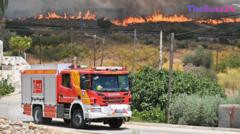
A catastrophic wildfire in southern Spain has claimed at least 12 lives, with authorities reporting an additional 23 people currently missing. The blaze, which erupted in the wooded areas surrounding Los Gallardos in the Almería region, has been described by local officials as one of the most devastating incidents in the area’s history. Emergency crews, including hundreds of firefighters and the Military Emergency Unit, have been working tirelessly to contain the flames, which were exacerbated by a severe heatwave pushing temperatures toward 40C.
Initial reports suggest that the victims, many of whom are believed to be foreign nationals, were caught off guard by the rapid spread of the fire. Health and emergency officials noted that several victims were discovered trapped inside a vehicle, while others perished while attempting to flee the inferno via non-designated evacuation routes. The tragedy has prompted an international response, with consular services from various nations working to account for their citizens who may have been in the area during the disaster.
While regional leadership has pointed to a potential downed power line as the catalyst for the fire, the investigation remains ongoing. The utility company Endesa has contested these claims, stating the infrastructure in question was inactive and not under their management. As the search for the missing continues, the incident has reignited urgent discussions regarding climate change, as Europe continues to experience record-breaking temperatures and increasingly volatile wildfire seasons that threaten both local residents and the tourism sector.
Key Takeaways
- At least 12 people have died and 23 remain missing following a massive wildfire in the Almería region of southern Spain.
- The fire spread rapidly during a period of extreme heat, complicating evacuation efforts and leading to significant casualties among foreign nationals.
- Authorities are investigating the cause of the blaze, with conflicting reports regarding the involvement of local power infrastructure.
Editor’s Analysis & Impact
The tragedy in Almería serves as a grim indicator of the escalating risks posed by climate change in the Mediterranean basin. As Europe warms at twice the global average, the frequency and intensity of wildfires are placing unprecedented strain on emergency management infrastructure. From an economic perspective, this event highlights the vulnerability of the region’s tourism-dependent economy, which relies heavily on summer travel. Future outlooks suggest that unless significant investments are made in fire prevention, early warning systems, and climate-resilient infrastructure, the Mediterranean will face recurring humanitarian and economic crises. The dispute over the power line also underscores the legal and corporate accountability challenges that arise when public safety is compromised by aging or poorly maintained utility networks during extreme weather events.
Frequently Asked Questions
Q: What is the current status of the wildfire in Almería?
A: Emergency services are actively working to contain the blaze, which has resulted in at least 12 deaths and 23 missing persons. Evacuations have been carried out, and military support has been deployed to assist.
Q: What caused the fire in Los Gallardos?
A: While regional officials initially suggested a downed power line was responsible, the investigation is ongoing, and the utility company Endesa has denied ownership of the specific equipment mentioned.
AI Disclosure: This article is based on verified data and official reports. Our Team and AI have cross-referenced every financial detail with primary sources to ensure total accuracy.
More from this Category