Volkswagen Overhauls Strategy: Model Lineup to Shrink Amid Production Capacity Cuts
Volkswagen is embarking on a significant strategic transformation, announcing plans to drastically reduce its global model lineup by up to 50% in the coming years. By narrowing its focus to the most profitable and high-demand market segments, the German automaker aims to streamline operations and bolster its competitive edge. As part of this efficiency drive, the company is recalibrating its production capacity to a target of nine million vehicles annually, a notable decrease from the pre-pandemic goal of 12 million.
This shift comes at a critical juncture for the automotive giant, which is currently navigating a complex landscape of rising international trade tariffs and aggressive competition from Chinese electric vehicle manufacturers. CEO Oliver Blume stated that the company is entering a new phase of transformation intended to make the group more resilient and agile. Despite these operational adjustments, the company has yet to confirm specific details regarding potential workforce reductions, leaving the status of its labor force in a state of uncertainty.
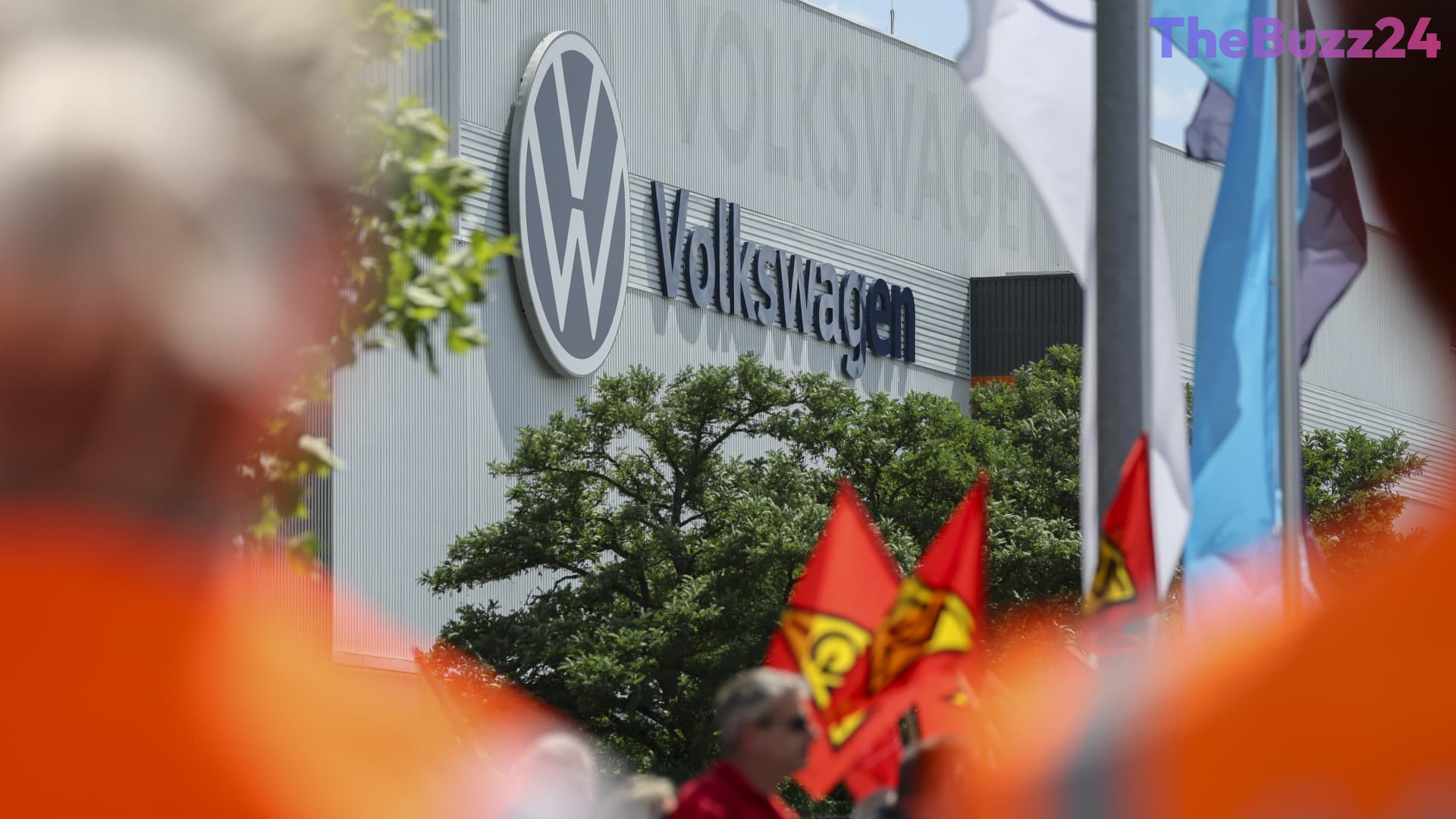
The proposed restructuring has sparked intense friction between management and labor representatives. Reports suggest that the company has considered closing four major German facilities—including sites in Hanover, Zwickau, Emden, and an Audi plant in Neckarsulm—as part of a broader cost-cutting initiative. However, these measures face staunch opposition from powerful labor unions and local lawmakers, who have already begun organizing protests to protect existing jobs. As the company struggles with a declining stock price and a challenging global market, the path forward remains fraught with internal tension and economic pressure.
Key Takeaways
- Volkswagen plans to cut its model lineup by up to 50% to focus on high-demand segments.
- Annual production capacity is being lowered to nine million vehicles to improve operational efficiency.
- Management faces significant resistance from labor unions regarding potential plant closures and job cuts.
Editor’s Analysis & Impact
Volkswagen is currently navigating a ‘perfect storm’ characterized by structural inefficiencies and external market pressures. The decision to slash its model lineup is a necessary move to reduce complexity and capital expenditure, yet it highlights the company’s struggle to pivot quickly enough in the EV era. The primary challenge remains the conflict between necessary cost-cutting—which may involve plant closures—and the rigid labor protections inherent in the German industrial model. Investors are clearly skeptical, as evidenced by the stock’s poor performance this year. Moving forward, Volkswagen’s ability to reconcile its need for a leaner, more competitive manufacturing footprint with the demands of its workforce will determine its long-term viability against both legacy rivals and agile Chinese competitors.
Frequently Asked Questions
Q: Why is Volkswagen reducing its model lineup?
A: The company aims to streamline its operations and focus resources on the most attractive and profitable market segments to improve overall competitiveness.
Q: Are there confirmed job cuts at Volkswagen?
A: While there have been reports of potential plans for significant layoffs and plant closures, Volkswagen has not officially confirmed these measures, and they are currently the subject of intense negotiations with labor unions.
AI Disclosure: This article is based on verified data and official reports. Our Team and AI have cross-referenced every financial detail with primary sources to ensure total accuracy.
More from this Category