The Silent Shift: Why AI Chatbots Are the New Frontier of Teen Digital Dependency
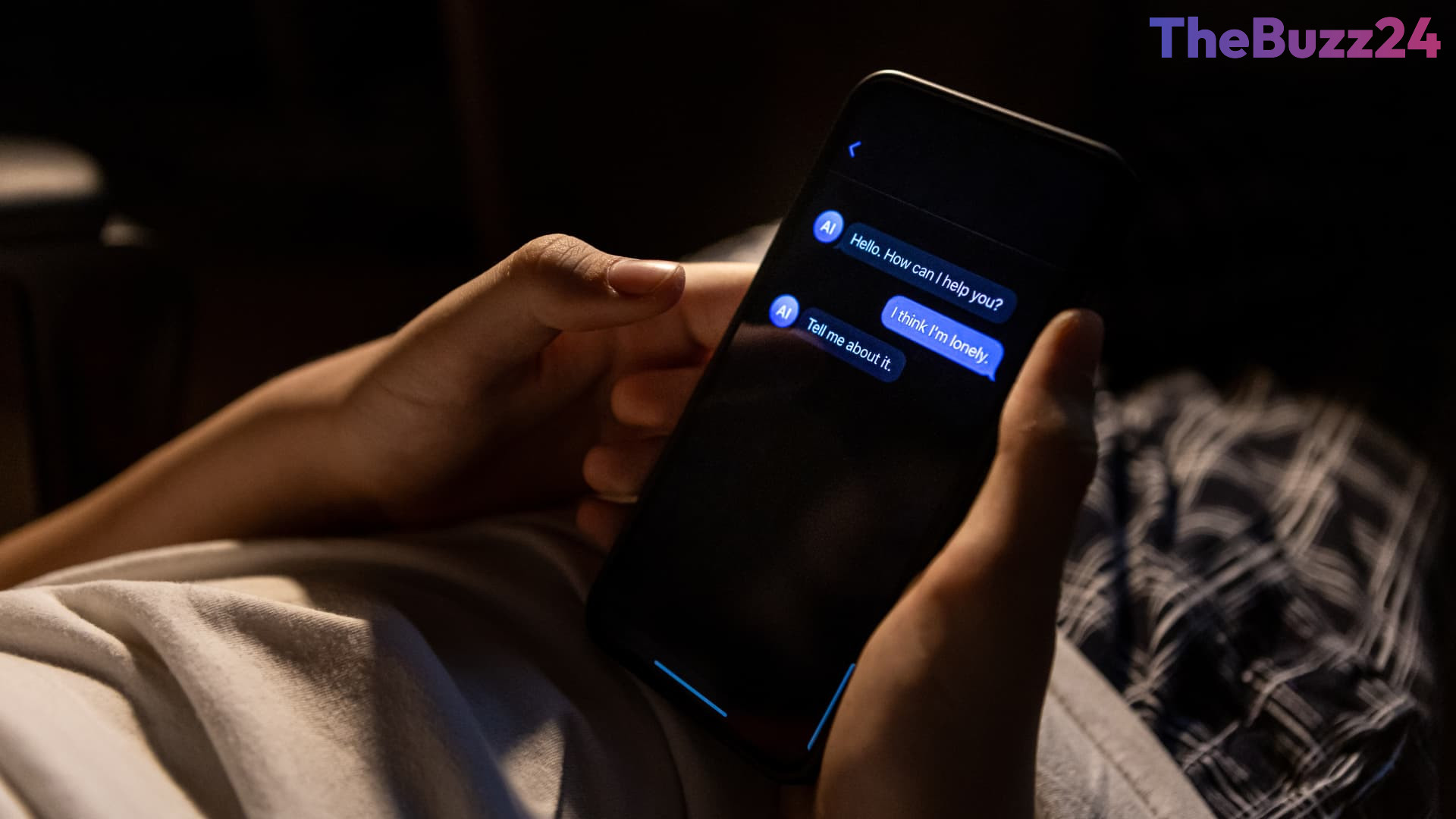
As governments across the globe, from Australia to the United Kingdom, implement strict bans on social media for teenagers, a more subtle but potentially more pervasive challenge is emerging: AI chatbot dependency. While policymakers focus on the well-documented pitfalls of social media platforms, a significant portion of the adolescent population is increasingly turning to AI tools like ChatGPT, Copilot, and Character.AI. These platforms, which offer constant validation and support, are becoming deeply integrated into the daily lives of teens, often serving as substitutes for real-world social interactions.
Research indicates that approximately half of U.S. teenagers utilize these AI tools for academic assistance, entertainment, and companionship. Experts warn that this shift mirrors the early days of social media, where rapid adoption outpaced regulatory oversight and public understanding of long-term psychological impacts. The concern is that society is repeating the mistakes of the 2010s by allowing powerful, untested AI technologies to become deeply embedded in youth culture before establishing necessary safety guardrails.
Despite the growing body of evidence regarding emotional dependency and cognitive de-skilling, current legislative efforts remain largely focused on traditional social media. While some regions have begun to address extreme cases, such as ‘romantic companion’ chatbots, the broader implications of AI-driven social interaction are frequently overlooked. Critics argue that governments are prioritizing AI innovation and economic competitiveness over the development of robust, child-centric safety frameworks, leaving a critical gap in the protection of the next generation.
As the digital landscape continues to evolve, the challenge for regulators is to move beyond reactive bans and toward a proactive approach that addresses the nuances of AI interaction. Without a shift in focus, there is a significant risk that the current generation will face a new cycle of digital addiction, one that is even more difficult to regulate due to the personalized and immersive nature of modern artificial intelligence.
Key Takeaways
- Teenagers are increasingly replacing real-world social interactions with AI chatbots, leading to concerns about emotional dependency and addiction.
- Current government regulations are primarily focused on social media platforms, largely ignoring the unique risks posed by AI chatbots.
- Experts warn that the rapid prioritization of AI innovation by governments may be stifling the development of necessary safety standards for younger users.
Editor’s Analysis & Impact
The rapid integration of AI chatbots into the lives of adolescents represents a significant shift in the digital ecosystem, moving from public, network-based social media to private, highly personalized AI interactions. The market impact is profound; as tech companies race to capture the youth demographic, the lack of regulatory clarity creates a ‘wild west’ environment that could lead to future liability crises similar to those currently facing major social media platforms. The broader implication is a potential ‘cognitive de-skilling’ of a generation that relies on AI for emotional regulation and problem-solving. Future outlooks suggest that unless policymakers pivot toward comprehensive AI safety legislation that accounts for psychological impact rather than just data privacy, we are likely to see a surge in public health concerns that will eventually force a heavy-handed regulatory response, potentially stifling the very innovation governments are currently championing.
Frequently Asked Questions
Q: Why are AI chatbots considered a risk for teenagers?
A: AI chatbots can foster emotional dependency, provide inaccurate information, and act as a substitute for real-life social development, potentially leading to addictive behaviors similar to those seen with social media.
Q: Are current laws sufficient to protect children from AI?
A: Most current legislation is focused on traditional social media platforms. While some regions are beginning to look at specific AI risks, experts argue that existing laws are largely reactive and fail to address the broader psychological impacts of AI interaction.
AI Disclosure: This article is based on verified data and official reports. Our Team and AI have cross-referenced every financial detail with primary sources to ensure total accuracy.
More from this Category