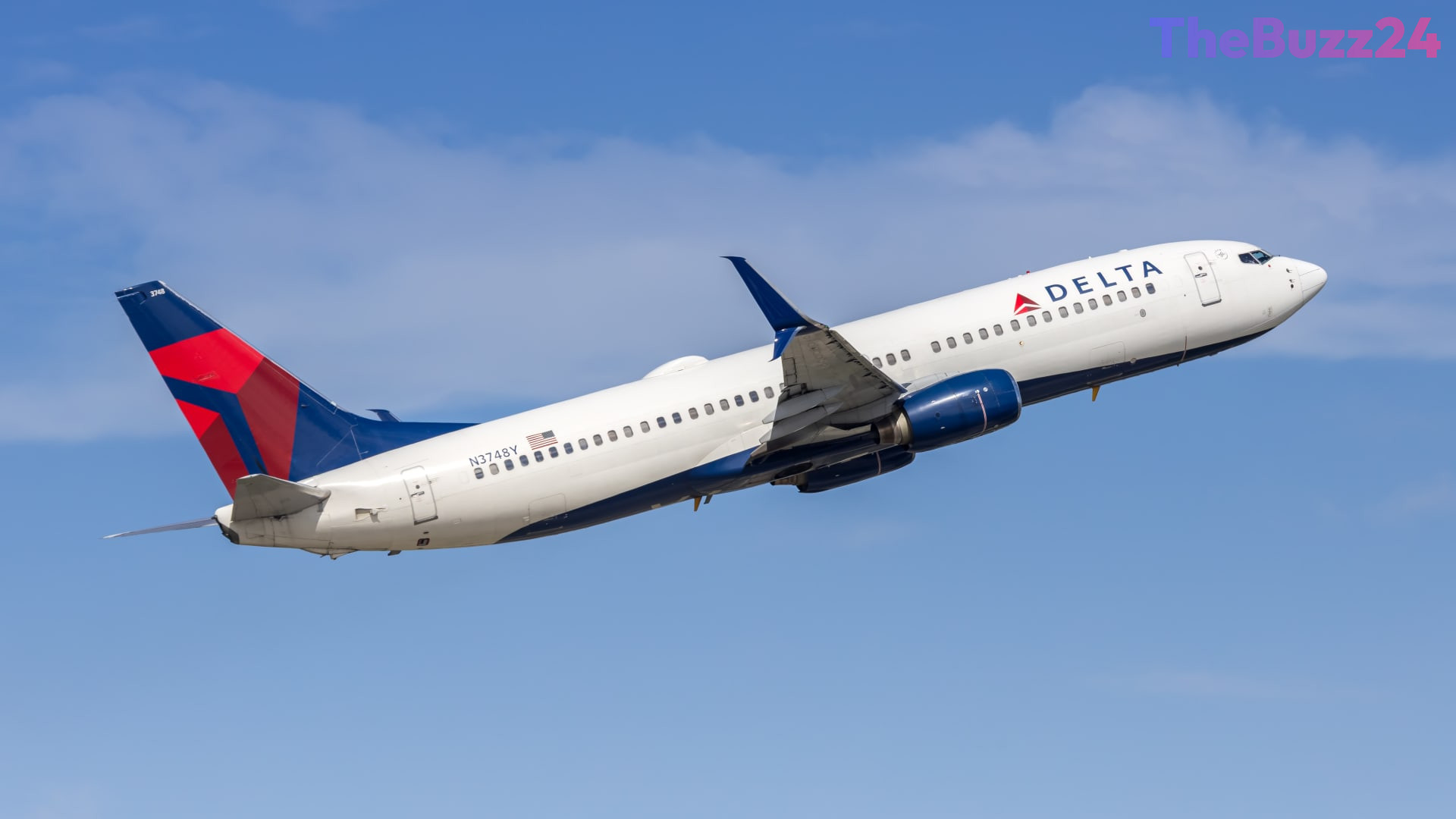
Delta Air Lines Maintains Bullish 2026 Outlook Amid Sustained Pricing Power
Delta Air Lines has reaffirmed its long-term financial targets, signaling confidence that elevated airfare levels will persist even as fuel costs fluctuate. As the first major U.S. carrier to release second-quarter results, the airline reported strong demand and a successful strategy of passing increased operational expenses onto consumers. CEO Ed Bastian noted that the current pricing environment is sustainable, driven by robust travel demand and a more disciplined approach to capacity management across the industry.
For the third quarter, the airline projects per-share earnings between $2.00 and $2.50, exceeding market expectations. The company also maintained its full-year earnings guidance of $6.50 to $7.50 per share. Revenue performance remains a highlight, with the carrier reporting $17.67 billion in adjusted revenue for the second quarter, bolstered by a significant shift toward premium seating. Sales for premium cabins outpaced standard coach tickets, reflecting a trend where higher-income travelers continue to prioritize travel spending despite broader economic pressures.
Corporate travel has also shown signs of recovery, with significant growth observed in the aerospace, defense, banking, and automotive sectors. While the airline faced a 25% drop in net income compared to the previous year, operating revenue saw a 19% increase. The company’s internal fuel refinery also provided a substantial boost, with revenue from the facility surging 83% to $2.09 billion. As the industry continues to prune unprofitable routes and manage capacity, Delta remains positioned to capture further gains by passing the remainder of its fuel-related costs to the traveling public.
Key Takeaways
- Delta reaffirmed its 2026 earnings forecast, citing sustainable pricing power and strong consumer demand.
- Premium cabin sales have outpaced standard coach revenue, highlighting a shift in traveler preferences among higher-income demographics.
- The airline expects to pass nearly 100% of increased fuel costs to consumers by the end of the current quarter.
Editor’s Analysis & Impact
Delta’s latest earnings report underscores a fundamental shift in the U.S. airline industry: a move away from aggressive capacity expansion toward disciplined, yield-focused growth. By catering to a ‘K-shaped’ economy where premium travelers remain resilient, Delta is effectively insulating its margins from the volatility of fuel prices. The industry’s collective decision to prune unprofitable routes suggests that the era of ‘cheap’ air travel may be permanently behind us. Looking forward, the sustainability of this model depends on whether corporate travel demand continues to scale and if the broader economy can support these higher price points without triggering a decline in leisure travel volume. Delta’s ability to leverage its internal refinery also provides a unique hedge that many competitors lack, offering a distinct competitive advantage in a high-cost environment.
Frequently Asked Questions
Q: Why does Delta expect airfares to remain high despite falling fuel prices?
A: Delta attributes sustained high fares to robust consumer demand, a shift toward premium seating options, and a more disciplined industry-wide approach to managing flight capacity.
Q: How is Delta performing in the corporate travel sector?
A: Corporate travel is showing positive momentum, with the airline reporting notable growth in the aerospace, defense, banking, and automotive sectors during the second quarter.
AI Disclosure: This article is based on verified data and official reports. Our Team and AI have cross-referenced every financial detail with primary sources to ensure total accuracy.
More from this Category