Devastating Wildfires Ravage Southeastern Spain: At Least 12 Dead and Dozens Missing Amid Historic Heatwave
Emergency crews in southeastern Spain are locked in a fierce battle to contain a catastrophic wildfire that has claimed at least 12 lives and left 23 people missing. The blaze, which erupted in the Los Gallardos region of Almería, quickly swept through the village of Bedar, fueled by a relentless heatwave pushing temperatures to 40°C (104°F) alongside powerful winds and parched terrain. Local officials warn that the death toll could rise as search and rescue operations continue in the scorched landscape.
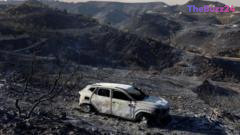
Among the casualties are four individuals believed to be British nationals, discovered inside a burnt-out, right-hand-drive vehicle. The rapid progression of the fire caught many residents and holidaymakers off guard, with witnesses describing a sudden, massive plume of smoke resembling a bomb blast. While local authorities recommended specific evacuation routes, some victims reportedly fled on foot into the countryside, bypassing safe corridors. Consular services from various European nations, including Belgium, are actively working to locate unaccounted-for citizens who own properties in this popular expatriate hub.
Andalusia’s Health and Emergencies Minister, Antonio Sanz, confirmed that the wildfire has consumed over 6,600 hectares (16,300 acres) of land. While local speculation pointed to a fallen power line as the spark, regional utility providers have disputed this claim. Fortunately, a slight overnight improvement in weather conditions has finally allowed firefighting teams to transition from defensive maneuvers to a direct aerial and ground assault on the active fronts.
This disaster ranks among the deadliest wildfire events in Spain’s history, drawing comparisons to tragic blazes in 1979 and 1984. Environmental scientists point to the broader crisis of climate change as a primary driver, noting that Europe is currently warming at twice the global average rate. This rapid heating has intensified summer heatwaves, depleted water reserves, and created prime conditions for explosive, uncontrollable wildfires across Southern Europe.
Key Takeaways
- At least 12 people have died and 23 remain missing after a fast-moving wildfire swept through Almería in southeastern Spain.
- The blaze has destroyed over 6,600 hectares of land, with extreme heat, dry soil, and high winds accelerating its spread.
- Climate data highlights Europe as the fastest-warming continent, leading to more frequent and severe summer wildfires.
Editor’s Analysis & Impact
The tragic wildfire in Almería underscores the escalating threat that climate change poses to Southern Europe’s tourism, real estate, and agricultural sectors. As temperatures routinely breach 40°C, regions popular with expatriates and tourists are becoming high-risk zones, potentially depressing property values and altering seasonal travel patterns. For governments, the immediate challenge lies in upgrading emergency communication systems, as confusion over evacuation routes contributed to the loss of life in Bedar. Furthermore, the dispute over the fire’s origin—allegedly a fallen power line—highlights the urgent need for utility companies to harden infrastructure against extreme weather. Moving forward, insurance markets are likely to re-evaluate risk premiums for Mediterranean properties, while regional governments must invest heavily in proactive forest management and climate adaptation strategies to mitigate future catastrophes.
Frequently Asked Questions
Q: What caused the deadly wildfire in Almería, Spain?
A: While local authorities initially suggested a fallen power line might have sparked the blaze, local electricity companies have denied responsibility. The official investigation into the exact cause is ongoing.
Q: Why did the fire spread so rapidly?
A: A combination of a prolonged heatwave with temperatures reaching 40°C (104°F), extremely dry ground conditions, and powerful winds allowed the fire to expand quickly across 6,600 hectares.
Q: Who are the victims of the Bedar wildfire?
A: At least 12 people have been confirmed dead, many of whom are believed to be foreign nationals, including four British citizens. Officials are still working to identify all the victims and locate 23 missing individuals.
AI Disclosure: This article is based on verified data and official reports. Our Team and AI have cross-referenced every financial detail with primary sources to ensure total accuracy.
More from this Category