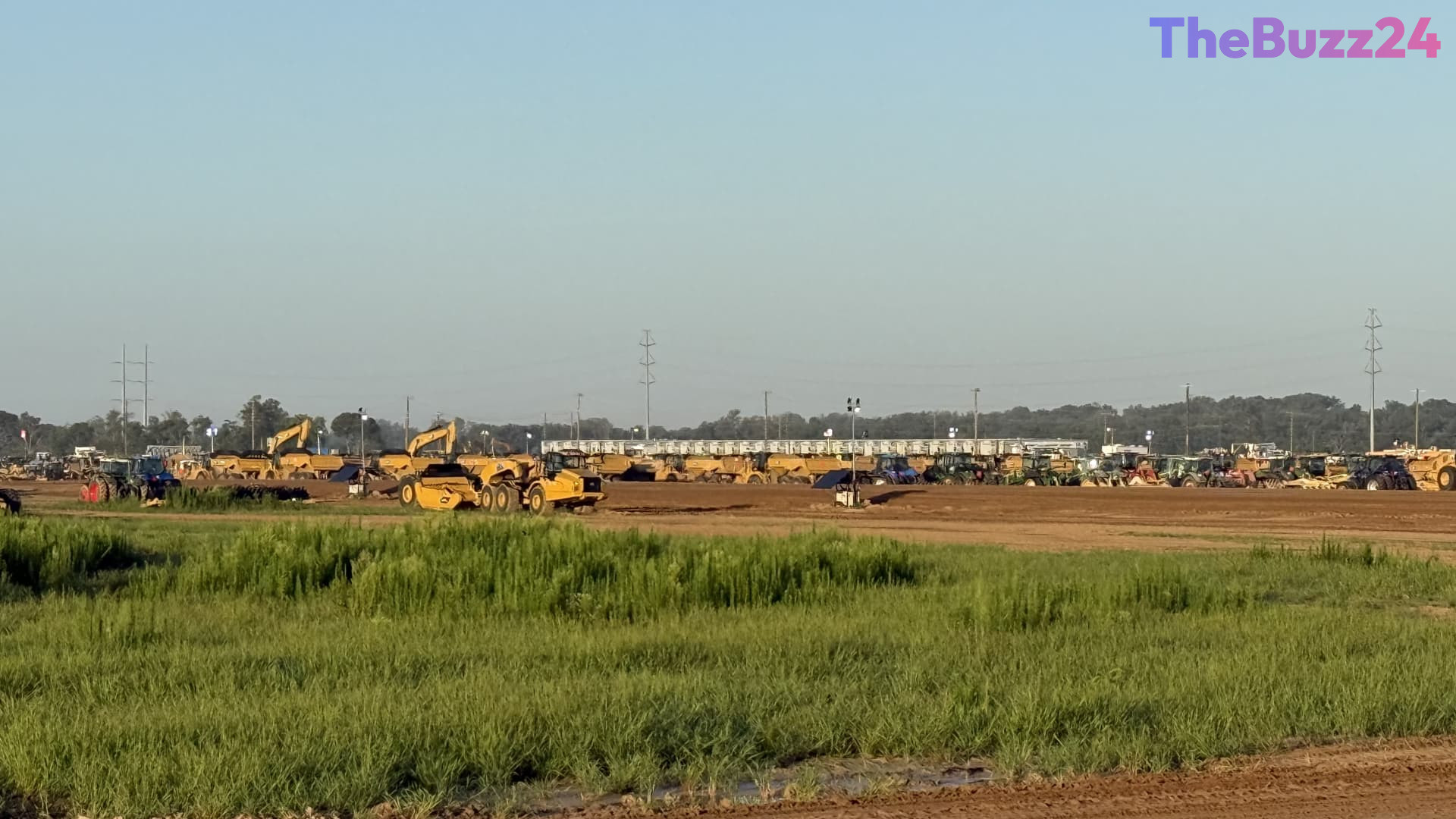
Meta Escalates Louisiana AI Infrastructure Plans to $50 Billion
Meta has announced a significant expansion of its Hyperion data center project in Richland Parish, Louisiana, with total projected investments now exceeding $50 billion. This figure represents a substantial increase from the $27 billion estimate disclosed in October, reflecting the company’s aggressive push to secure the necessary infrastructure for its rapidly evolving artificial intelligence capabilities. The facility is now slated to become a 5 GW supercluster, positioning it as the largest data center in Meta’s global portfolio.
The project’s growth is supported by favorable state-level policies, including a 20-year sales tax exemption signed into law by Louisiana Governor Jeff Landry. This legislative move is part of a broader trend where states offer competitive tax rebates and energy incentives to attract major technology firms seeking to build massive AI-ready infrastructure. Meta’s expansion highlights the intense competition among hyperscalers—including Microsoft, Alphabet, and Amazon—to secure prime locations that can support the immense power and cooling requirements of modern AI workloads.
Beyond the capital expenditure, Meta emphasized the project’s local economic impact, noting that more than $1.6 billion in contracts have already been awarded to local businesses since construction began in late 2024. The company has committed to investing an additional $1 billion in regional infrastructure, specifically targeting improvements to roads, water, and wastewater systems. While the project is expected to reach a 2 GW capacity by 2030, the timeline for achieving the full 5 GW scale remains flexible as the company balances infrastructure development with the evolving demands of its AI research and deployment efforts.
Key Takeaways
- Meta has increased the budget for its Louisiana-based Hyperion data center project to over $50 billion.
- The facility is designed as a 5 GW supercluster, specifically optimized for high-intensity AI workloads.
- The project is bolstered by a 20-year sales tax exemption and includes $1 billion in local infrastructure improvements.
Editor’s Analysis & Impact
The escalation of the Hyperion project underscores the ‘arms race’ currently defining the AI sector. As Meta and its peers transition from experimental AI models to large-scale deployment, the bottleneck has shifted from software development to physical infrastructure—specifically power and compute density. By committing $50 billion to a single site, Meta is signaling that it views proprietary, massive-scale infrastructure as a primary competitive moat. The reliance on state-level tax incentives suggests that the future of AI development will be geographically concentrated in regions capable of providing massive energy and tax concessions. Investors will likely scrutinize these outsized capital expenditures, looking for a clear path to monetization as the company attempts to prove that such massive infrastructure investments will yield proportional returns in AI-driven revenue.
Frequently Asked Questions
Q: What is a 'supercluster' in the context of Meta's data centers?
A: A supercluster is a specialized data center architecture packed with high-density graphics processing units (GPUs) and advanced hardware specifically configured to handle the massive computational demands of artificial intelligence workloads.
Q: How does the Louisiana project benefit the local economy?
A: Meta has reported that local businesses have already received over $1.6 billion in contracts related to the project, and the company has pledged an additional $1 billion toward local infrastructure improvements, including roads and water systems.
AI Disclosure: This article is based on verified data and official reports. Our Team and AI have cross-referenced every financial detail with primary sources to ensure total accuracy.
More from this Category