India’s Inflation Surges Past Forecasts Amid Geopolitical Tensions and Monsoon Woes
India’s consumer price inflation accelerated significantly in June, reaching 4.38% from 3.93% in May, marking the eighth consecutive month of increase. This surge surpassed economists’ expectations, driven primarily by a confluence of escalating geopolitical tensions impacting global energy markets and domestic weather disruptions threatening agricultural output.
The renewed hostilities between the United States and Iran, following a brief ceasefire, have sent global oil prices climbing. This conflict, particularly the contest for control over the strategically vital Strait of Hormuz—a critical conduit for global energy supplies—poses a substantial threat to India’s economy. As the world’s fastest-growing major economy, India is exceptionally vulnerable to such supply disruptions, importing nearly 85% of its fuel needs and relying on the Strait of Hormuz for approximately 50% of its crude, 60% of its liquefied natural gas, and almost all of its liquefied petroleum gas supplies.
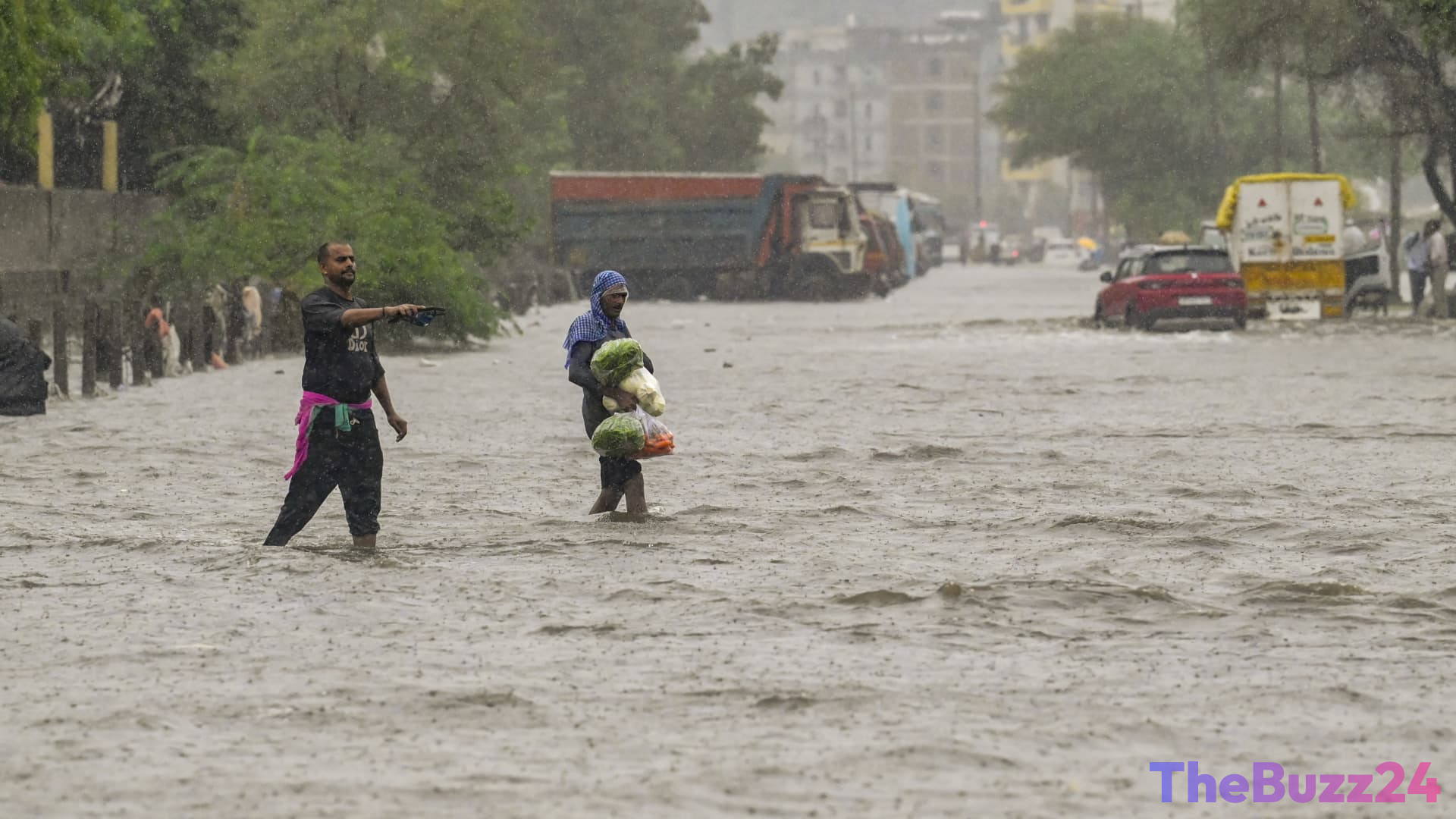
Domestically, the nation grapples with the looming risk of El Niño this year, which could lead to a deficient monsoon season despite recent heavy downpours and localized flooding. Data from India’s Ministry of Statistics and Program Implementation revealed that the year-on-year inflation rate for the All India Consumer Food Price Index (CFPI) hit 5.32% in June. Transport inflation also saw a sharp rise, accelerating to 4.3% in June from 1.75% in May, reflecting the combined impact of higher fuel costs and supply chain pressures. Indian research and rating firm Crisil, an S&P Global entity, highlighted that erratic rainfall patterns, swinging between scarcity and surplus, can be as detrimental to agriculture as a weak monsoon, affecting sowing decisions, crop health, and ultimately rural incomes. The India Meteorological Department (IMD) has further projected July rainfall to be 6% below the long-period average.
In response to these mounting pressures, the Reserve Bank of India (RBI) maintained its interest rates last month but signaled a hawkish outlook. The central bank anticipates inflation to climb further, forecasting it to reach 5.1% in the financial year ending March 2027, primarily due to elevated fuel prices and the potential for crop shortages exacerbated by El Niño. The RBI has also pegged core inflation at 4.7% for the same period, emphasizing its continued focus on this metric. While core inflation has not yet become a major concern, prolonged high energy and food prices are expected to eventually feed into broader price pressures through increased input, transportation, and operational costs across various sectors.
Key Takeaways
- India's consumer price inflation accelerated to 4.38% in June, an eight-month high, surpassing economists' predictions.
- The primary drivers are rising global oil prices due to U.S.-Iran tensions and domestic food price increases from a potentially deficient monsoon season.
- The Reserve Bank of India anticipates further inflation hikes, forecasting 5.1% due to fuel costs and El Niño-related crop shortages in the financial year ending March 2027.
Editor’s Analysis & Impact
The persistent rise in India’s inflation, driven by both external geopolitical factors and internal weather-related risks, poses a significant challenge to its economic stability. Higher inflation could compel the Reserve Bank of India to adopt a more aggressive monetary policy, potentially leading to increased interest rates. This would raise borrowing costs for businesses and consumers, impacting investment and consumption, and could temper the nation’s robust economic growth. Sectors heavily reliant on imported energy or domestic agricultural output will face heightened cost pressures, potentially squeezing profit margins. The dual threat of volatile global energy prices and unpredictable monsoon patterns suggests that inflationary pressures may persist, requiring careful management to prevent broader economic slowdowns and protect consumer purchasing power.
Frequently Asked Questions
Q: What caused India's inflation to rise in June?
A: The primary factors were escalating global oil prices due to renewed U.S.-Iran hostilities, which significantly impact India's fuel import costs, and rising food prices attributed to concerns over a potentially deficient monsoon season.
Q: How does the U.S.-Iran conflict affect India's economy?
A: India is highly dependent on imported fuel, sourcing nearly 85% of its needs and relying on the Strait of Hormuz for a large portion of its crude, LNG, and LPG imports. Tensions in this crucial trade route drive up global oil prices, directly increasing India's import bill and domestic fuel costs.
Q: What is the Reserve Bank of India's outlook on inflation?
A: The Reserve Bank of India anticipates inflation to continue rising, forecasting it could reach 5.1% in the financial year ending March 2027. This outlook is largely driven by expectations of higher fuel prices and potential crop shortages stemming from El Niño weather patterns.
AI Disclosure: This article is based on verified data and official reports. Our Team and AI have cross-referenced every financial detail with primary sources to ensure total accuracy.
More from this Category