U.S. Declares Role as ‘Guardian’ of Strait of Hormuz, Imposes 20% Cargo Fee
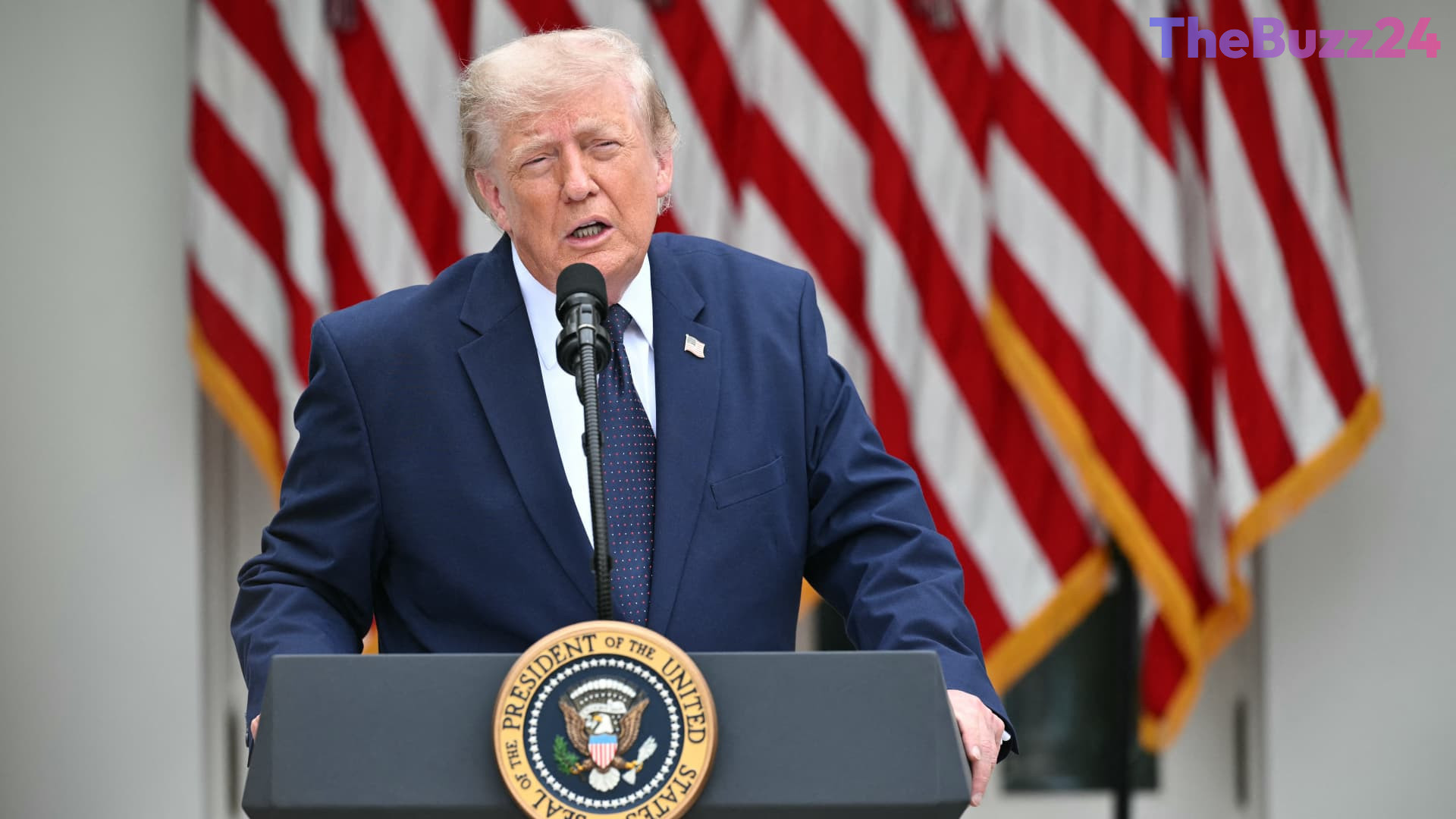
President Donald Trump has announced that the United States will assume the role of ‘Guardian’ of the Strait of Hormuz, implementing a 20% fee on all cargo passing through the critical waterway. This policy shift marks a significant escalation in the ongoing regional conflict, as the administration also moves to reimpose a blockade on Iranian ports located near the strait. The announcement follows a breakdown in previous ceasefire agreements and a series of renewed military exchanges between U.S. and Iranian forces.
Under the new directive, the U.S. asserts that while the strait will remain open to international traffic, commercial vessels will be required to pay for the security services provided by the American military. Trump characterized the move as a matter of fairness, arguing that the U.S. can no longer afford to provide protection for the global oil-shipping route without financial reimbursement. This policy effectively replaces the previous status quo of a toll-free international waterway with a system of mandatory protection payments.
The decision has triggered immediate volatility in global markets, with oil prices surging and stock indices experiencing downward pressure. By declaring the previous ceasefire deal effectively void, the administration is signaling a more aggressive stance toward regional maritime control. The implementation of these fees is slated to begin immediately, further complicating the geopolitical landscape and the future of energy transit through one of the world’s most vital maritime chokepoints.
Key Takeaways
- The U.S. is imposing a 20% fee on all cargo transiting the Strait of Hormuz, citing the need for reimbursement for security services.
- The administration has declared the previous ceasefire with Iran over and is reimposing a blockade on Iranian ports near the strait.
- Global markets reacted sharply to the news, with oil prices rising and stocks falling due to increased regional instability.
Editor’s Analysis & Impact
The declaration of the U.S. as the ‘Guardian’ of the Strait of Hormuz represents a radical departure from established international maritime norms. By unilaterally imposing a 20% transit fee, the administration is effectively weaponizing a critical global trade artery, which will likely lead to significant inflationary pressure on energy costs worldwide. From a market perspective, this move introduces a new ‘security premium’ on oil, forcing shipping companies to either absorb the cost or pass it on to consumers. The broader implication is a potential fracturing of international maritime law, as other nations may challenge the legality of these tolls. Future outlooks remain grim, as the combination of a blockade and financial levies significantly lowers the probability of a diplomatic resolution, likely keeping energy markets in a state of high volatility for the foreseeable future.
Frequently Asked Questions
Q: What is the new fee for ships passing through the Strait of Hormuz?
A: The U.S. has announced a 20% fee on all cargo shipped through the Strait of Hormuz, which the administration describes as payment for security and protection services.
Q: How does this affect the previous ceasefire agreement with Iran?
A: The administration has declared the previous ceasefire deal 'over' due to repeated attacks in the region, rendering the prior prohibition on transit charges null and void.
AI Disclosure: This article is based on verified data and official reports. Our Team and AI have cross-referenced every financial detail with primary sources to ensure total accuracy.
More from this Category