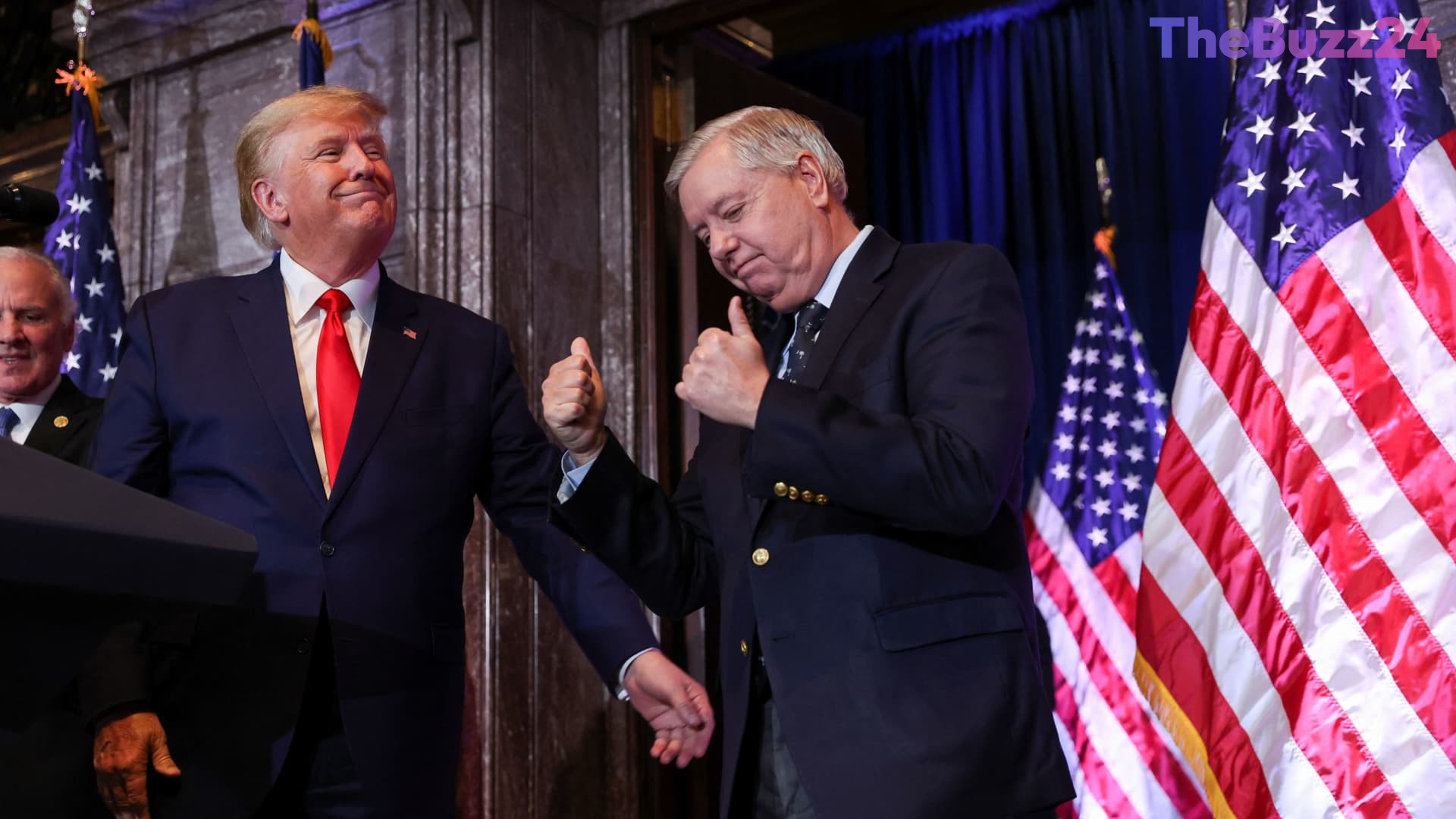
Trump Urges Senate to Pass Clarity Act as Tribute to Late Senator Lindsey Graham
President Donald Trump has issued a formal call for the U.S. Senate to prioritize the passage of the Clarity Act, framing the move as a tribute to the late Senator Lindsey Graham, who passed away over the weekend at the age of 71. The proposed legislation represents one of the most comprehensive efforts to date to establish a regulatory framework for the cryptocurrency industry, a sector that has long sought clear federal guidelines to foster institutional investment.
In a statement posted to social media, the President emphasized the geopolitical stakes of the bill, suggesting that swift action is necessary to prevent international competitors, specifically China, from gaining dominance in the digital asset and artificial intelligence sectors. The Clarity Act has garnered significant backing from major industry players, including Coinbase, Circle, and Ripple, all of which argue that federal oversight is essential for the long-term stability and growth of the digital currency market.
Despite its industry support and approval from the Senate Banking Committee earlier this year, the bill faces a complex path to enactment. The legislation has encountered resistance from banking institutions, which fear that provisions allowing crypto entities to offer interest-like payments on stablecoins could erode traditional bank deposits and limit available capital for lending. Furthermore, the death of Senator Graham has introduced new political uncertainty, as it narrows the Republican majority in the Senate, potentially complicating the legislative process as Democrats continue to push for stricter ethics guardrails regarding the digital asset holdings of elected officials.
Key Takeaways
- President Trump is advocating for the passage of the Clarity Act as a memorial gesture for the late Senator Lindsey Graham.
- The Clarity Act aims to establish a comprehensive regulatory framework for cryptocurrencies, supported by major industry firms like Coinbase and Ripple.
- The bill faces opposition from the banking sector over concerns regarding stablecoin interest payments and potential impacts on traditional lending capital.
Editor’s Analysis & Impact
The push for the Clarity Act highlights the intensifying intersection of national security, economic policy, and digital innovation. By framing the legislation as a defense against foreign competition, the administration is attempting to elevate crypto regulation from a niche financial issue to a matter of strategic national interest. However, the legislative path remains fraught with friction. The banking industry’s opposition underscores a fundamental tension: the potential for decentralized finance to disrupt traditional banking models. Furthermore, the shift in the Senate’s numerical balance following Senator Graham’s passing adds a layer of volatility to the bill’s prospects. If passed, this legislation would mark a watershed moment for the crypto industry, providing the legal certainty required for mass adoption, though it will likely require significant compromises to address the ethical and financial concerns raised by critics.
Frequently Asked Questions
Q: What is the primary goal of the Clarity Act?
A: The Clarity Act is designed to be a comprehensive piece of legislation that establishes a formal regulatory framework for the cryptocurrency industry to encourage investment and provide legal clarity.
Q: Why are banks opposing the Clarity Act?
A: Banks are concerned that the bill could allow cryptocurrency organizations to offer interest-like payments on stablecoins, which they fear would lead to a decline in traditional bank deposits and reduce the capital available for loans.
AI Disclosure: This article is based on verified data and official reports. Our Team and AI have cross-referenced every financial detail with primary sources to ensure total accuracy.
More from this Category