Warsh Declares War on Inflation, Unveils Fed Policy Overhaul
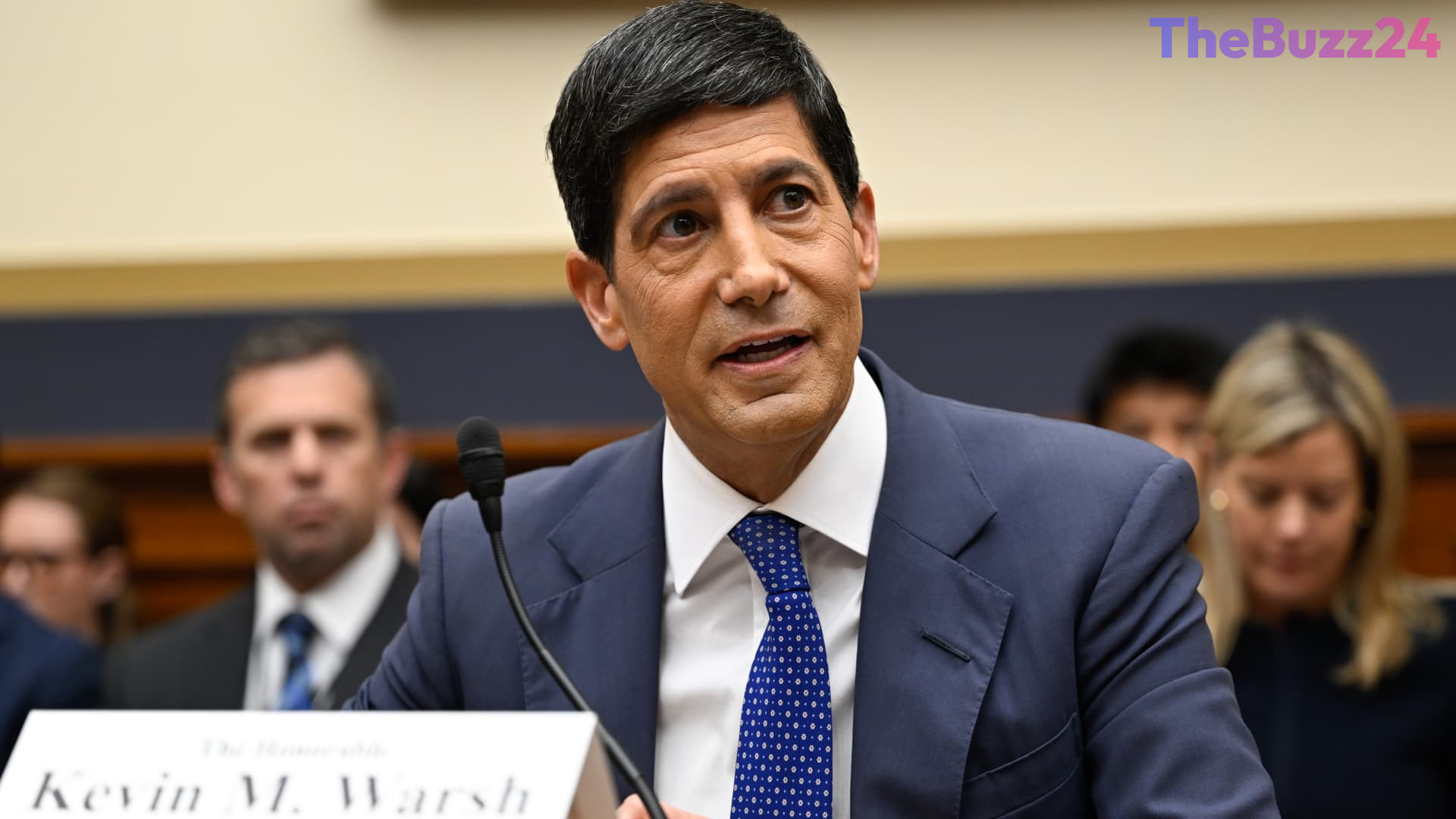
Federal Reserve Chairman Kevin Warsh has strongly affirmed his commitment to eradicating persistent inflation, which he characterizes as an “unfair burden” and “tax” on American citizens and businesses. In upcoming remarks to Congress, Warsh is set to outline his vision for a significant “regime change” within the central bank’s monetary policy framework, aiming to restore price stability.
Warsh specifically criticized the Fed’s previous approach, particularly the flexible inflation targeting policy adopted in 2020, which he deemed a “mistake” for allowing above-target inflation after periods of lower prices. He emphasized that the framework failed to achieve its objectives and expressed satisfaction that it has since been abandoned. To overhaul the central bank’s operations, Warsh has established five task forces dedicated to reviewing all aspects of the Fed’s business, including communications, technology, the balance sheet, economic data utilization, and inflation assessment methods.
Despite the inflation challenge, Warsh presented an optimistic view of the broader U.S. economy, describing it as expanding at a “solid pace” and demonstrating resilience. He highlighted business investment as a particularly striking feature of the current economic landscape, attributing its rapid acceleration largely to the construction of data centers and the escalating demand for artificial intelligence-related equipment and software. Warsh anticipates that this “AI buildout” will inevitably become a fundamental driver of investment, potentially contributing to disinflationary pressures, though he acknowledged this premise is debated by some economists.
Just two months into his term, Warsh reiterated the Federal Reserve’s primary objective: to achieve and maintain sound monetary policy. He assured lawmakers that the Committee members share a “resolute commitment” to bringing down persistently elevated inflation, asserting that if the right policies are implemented, the inflation surge of recent years will become a relic of the past.
Key Takeaways
- Federal Reserve Chairman Kevin Warsh is committed to a "regime change" in monetary policy to combat persistent inflation, which he calls a "tax" on Americans.
- Warsh criticized the Fed's past flexible inflation targeting policy as a "mistake" and has initiated five task forces to reform the central bank's operations.
- Despite inflation concerns, Warsh views the U.S. economy as robust, driven significantly by accelerating business investment in artificial intelligence.
Editor’s Analysis & Impact
Warsh’s assertive stance signals a significant shift in the Federal Reserve’s approach, moving away from past policies that he believes contributed to current inflationary pressures. His “regime change” rhetoric and the establishment of task forces suggest a proactive and comprehensive overhaul, which could instill greater market confidence in the Fed’s commitment to price stability. However, the long-term effectiveness of these reforms and the potential for internal resistance remain to be seen. The emphasis on AI investment as a disinflationary force, while optimistic, also highlights a potential divergence in views within the economic community. Should Warsh successfully steer the Fed towards sustained price stability, it could lead to more predictable economic conditions, potentially boosting long-term business investment and consumer purchasing power. Conversely, any missteps could prolong economic uncertainty.
Frequently Asked Questions
Q: What is "regime change" in the context of Fed policy?
A: "Regime change" refers to Federal Reserve Chairman Kevin Warsh's plan to fundamentally alter the central bank's monetary policy framework and operational practices to more effectively combat inflation and restore price stability.
Q: Why did Chairman Warsh criticize the Fed's past flexible inflation targeting policy?
A: Warsh criticized the flexible inflation targeting policy, adopted in 2020, because he believes it was a "mistake" that allowed for persistently elevated inflation after periods of lower prices, ultimately failing to achieve its intended objectives.
Q: How does Chairman Warsh view the current state of the U.S. economy?
A: Despite the challenge of inflation, Chairman Warsh views the U.S. economy as expanding at a "solid pace" and showing resilience. He particularly highlights robust business investment, especially in artificial intelligence, as a key driver of economic strength.
AI Disclosure: This article is based on verified data and official reports. Our Team and AI have cross-referenced every financial detail with primary sources to ensure total accuracy.
More from this Category