Business Giants Clash with Senate Over Pentagon Contractor Payout Restrictions
A significant legislative battle is brewing in Washington as major business organizations declare opposition to a provision within the National Defense Authorization Act (NDAA) that aims to curb stock buybacks and dividend payments by Pentagon contractors. The U.S. Chamber of Commerce, leading a coalition of over 40 business groups, has formally urged Senate leaders to remove the measure, arguing it represents an unwarranted government intrusion into corporate financial decisions.
The provision, identified as Section 815, would mandate that companies contracting with the Department of Defense obtain explicit approval from the Pentagon before engaging in stock repurchases or distributing dividends. This requirement, slated to take effect in June 2027, would necessitate a “qualifying defense investment plan” for any waiver to be granted. Business groups contend that this policy shifts crucial capital allocation responsibilities from corporate leadership to federal officials, potentially stifling investment and creating broad uncertainty across various industries.
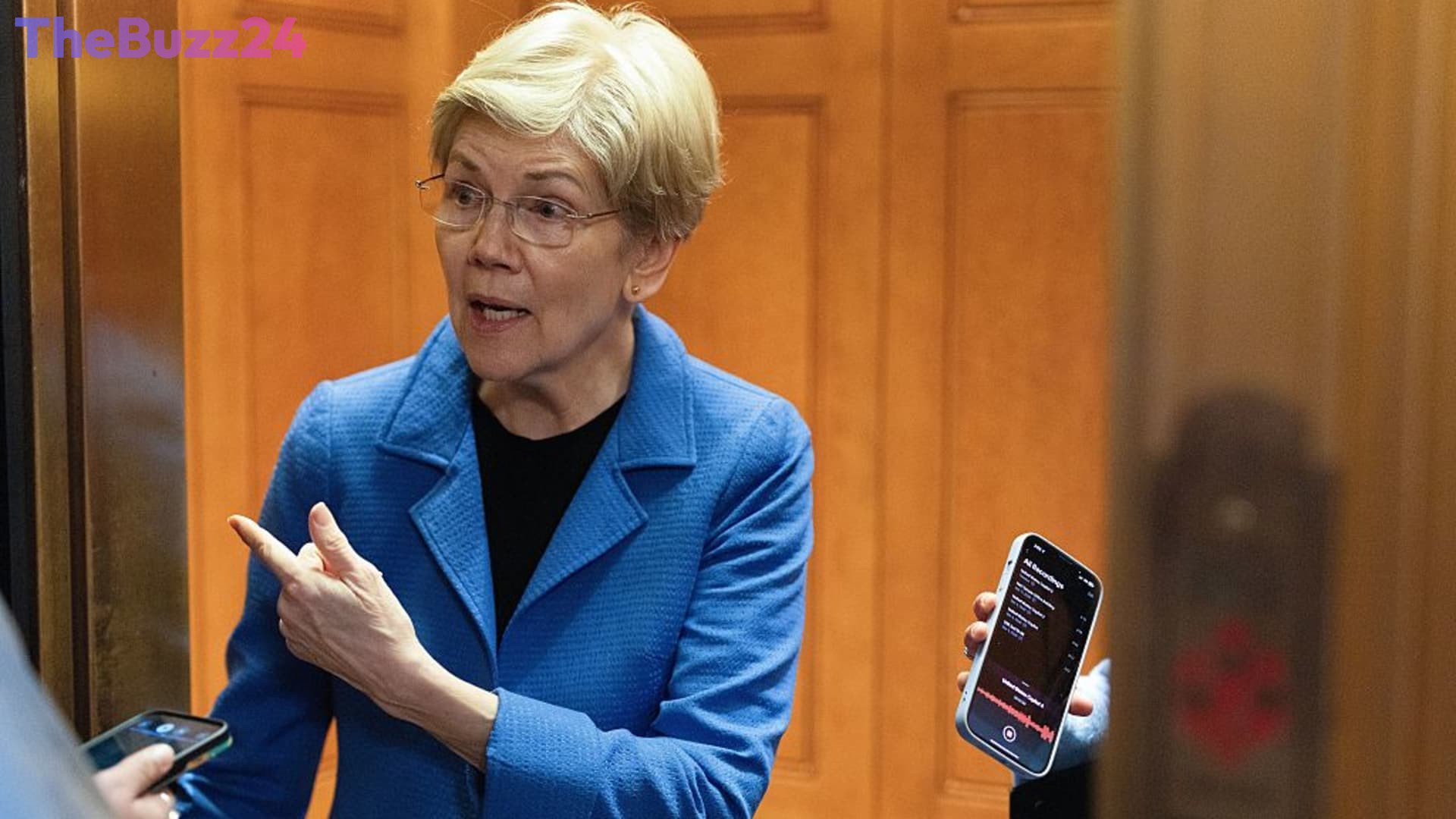
Spearheaded by Senator Elizabeth Warren (D-Mass.) and supported by a bipartisan consensus within the Senate Armed Services Committee, the provision aims to address concerns that defense contractors prioritize shareholder returns over national security investments. Proponents argue it will instill discipline among contractors and prevent billions in taxpayer funds from being diverted to executive and shareholder profits instead of bolstering defense capabilities. This legislative push builds upon a previous executive order by President Trump that sought similar restrictions on underperforming contractors.
However, industry representatives argue that Section 815 is more restrictive than the executive order and could negatively impact the defense industrial base by discouraging investment. The debate highlights a growing tension between government oversight and corporate autonomy, particularly within sectors reliant on federal contracts. While the provision has advanced through committee, its final inclusion in the NDAA may still be subject to negotiation as the House version of the bill does not contain similar restrictions, potentially leading to significant modifications during reconciliation.
Key Takeaways
- Major business groups are lobbying against a Senate provision that would restrict stock buybacks and dividends for Pentagon contractors.
- The provision, Section 815 of the NDAA, requires Pentagon approval for such payouts, aiming to ensure reinvestment in defense capabilities.
- Industry advocates argue the measure oversteps government authority and could harm investment, while proponents see it as necessary discipline for contractors.
Editor’s Analysis & Impact
This legislative push signifies a critical juncture in the relationship between the defense industry and the U.S. government. The proposed restrictions on stock buybacks and dividends reflect a growing sentiment in Congress to hold defense contractors more accountable for their financial practices and to ensure taxpayer money is prioritized for national defense needs. However, the strong opposition from the business community, including the U.S. Chamber of Commerce, underscores concerns about government overreach and potential negative impacts on investment and innovation within the sector. The outcome of this debate could set a precedent for how the government influences corporate financial strategies in other critical industries, balancing national security imperatives with free-market principles.
Frequently Asked Questions
Q: What is the National Defense Authorization Act (NDAA)?
A: The NDAA is a piece of U.S. federal legislation that sets the budget and policies for the Department of Defense. It is typically passed annually and covers a wide range of defense-related issues.
Q: What are stock buybacks and dividends?
A: Stock buybacks, also known as share repurchases, occur when a company buys back its own shares from the marketplace, reducing the number of outstanding shares. Dividends are payments made by a corporation to its shareholders, usually as a distribution of profits.
Q: Why is Section 815 controversial?
A: Section 815 is controversial because it proposes to give the Pentagon significant control over the capital allocation decisions of its contractors, specifically regarding stock buybacks and dividends. Business groups argue this is an unprecedented government intrusion into private corporate governance, while proponents believe it's necessary to ensure contractors prioritize defense investments over shareholder payouts.
AI Disclosure: This article is based on verified data and official reports. Our Team and AI have cross-referenced every financial detail with primary sources to ensure total accuracy.
More from this Category