World Cup Surge: Late-Stage Travel Boom Drives Economic Windfall for U.S. Host Cities
The economic impact of the World Cup in the United States is intensifying as the tournament reaches its climactic final stages. While initial projections were cautious, host cities are now experiencing a significant surge in travel, hospitality, and retail spending as fans converge for the high-stakes semifinal matches. With France facing Spain in Dallas and England taking on Argentina in Atlanta, the influx of international and domestic travelers has provided a much-needed boost to local economies.
Data indicates that the spending patterns of soccer fans have been highly reactive to tournament outcomes. Cities like Kansas City and Philadelphia saw substantial gains during the knockout rounds, with hotel revenue per available room (RevPAR) in Philadelphia jumping over 74% during the Fourth of July weekend. This late-stage momentum has proven vital for the hospitality sector, which had previously expressed concerns regarding soft advance bookings and the release of large room blocks back into the market.
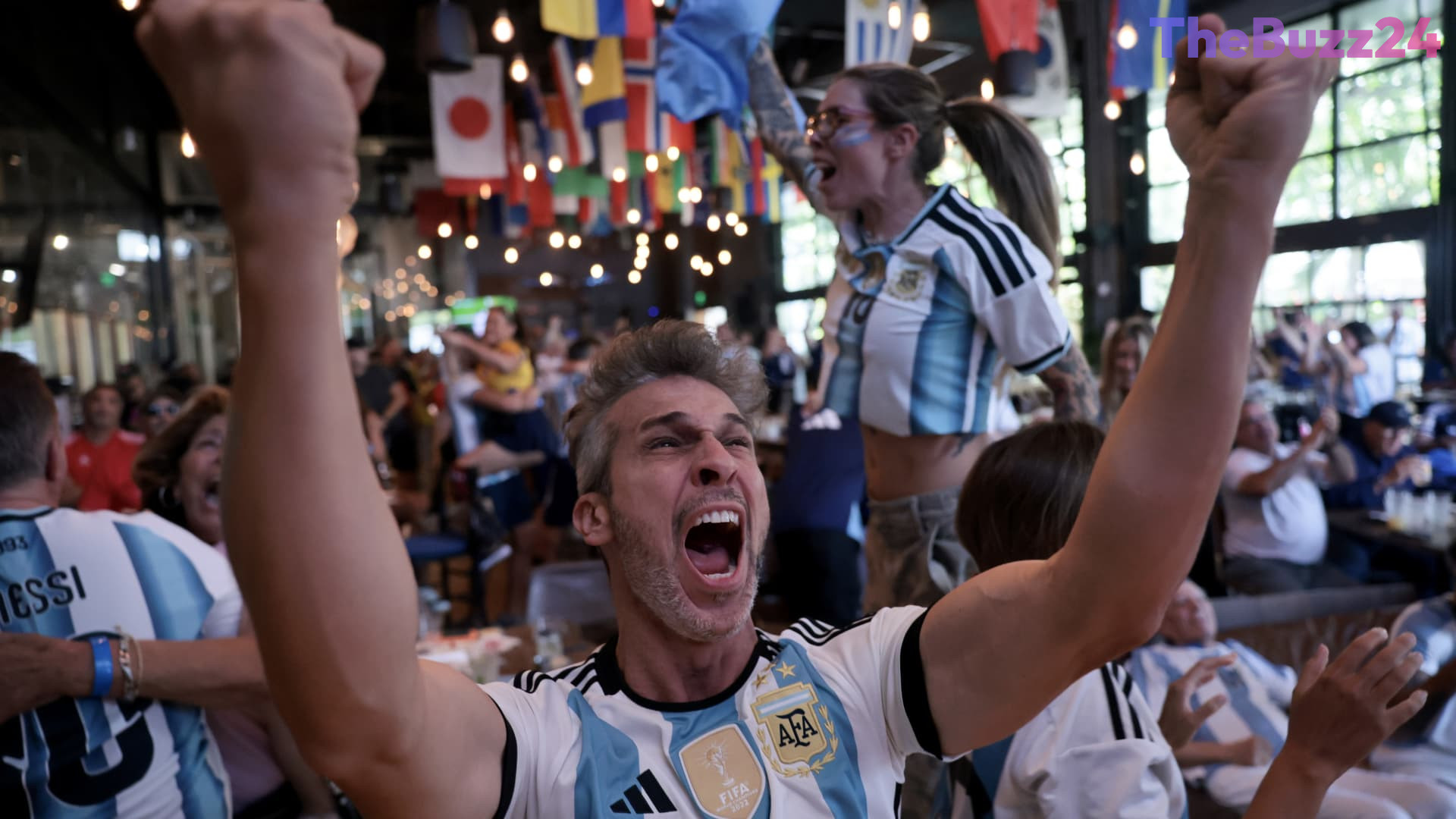
Travel behavior has shifted toward real-time decision-making, particularly among international fan bases. For instance, flight bookings from Argentina to Atlanta surged by over 100% as fans followed their team’s progression through the bracket. This trend of ‘hedging’—where travelers wait for match results before finalizing their itineraries—has created a dynamic environment for short-term rentals and airline demand. As the tournament moves toward the final in New York/New Jersey, the scarcity of accommodations is driving record-high nightly rates, reflecting the intense appetite for the event’s conclusion.
Despite the elimination of the U.S. and Mexico teams, which caused a temporary dip in secondary market ticket prices, the demand for the final remains robust. With premium tickets commanding thousands of dollars and hotel rates in host cities reaching historic highs, the World Cup is successfully delivering the anticipated economic stimulus, albeit on a timeline dictated by the unpredictable nature of the competition.
Key Takeaways
- World Cup host cities are seeing a late-stage economic surge as fans book travel in real-time based on tournament results.
- Hotel revenue and short-term rental demand have spiked significantly in cities hosting semifinal and final matches.
- International fan behavior, particularly from Argentina, is driving a massive increase in flight bookings to specific host cities.
Editor’s Analysis & Impact
The World Cup’s economic impact highlights a shift in modern sports tourism, where ‘last-minute’ travel has become the dominant trend. By waiting for match outcomes, fans are creating extreme volatility in local hospitality markets, forcing hotels and short-term rental platforms to adapt to rapid demand spikes. This phenomenon suggests that major sporting events no longer provide a steady, predictable economic lift but rather a series of intense, localized shocks. For the broader U.S. economy, this demonstrates the resilience of discretionary spending on ‘experience-based’ travel. Looking forward, host cities for future global events must prepare for this ‘just-in-time’ tourism model, which places immense pressure on infrastructure and pricing strategies during the final week of competition.
Frequently Asked Questions
Q: Why did hotel bookings in World Cup host cities start slowly?
A: Many travelers adopted a 'wait-and-see' approach, delaying bookings until they knew which teams would be playing in specific cities, while some initial inventory was held back by FIFA.
Q: How has the tournament affected short-term rental prices?
A: The high demand for the final matches, combined with limited supply in cities like New York and New Jersey, has driven rental prices significantly higher compared to previous years.
AI Disclosure: This article is based on verified data and official reports. Our Team and AI have cross-referenced every financial detail with primary sources to ensure total accuracy.
More from this Category