Paramount Pushes Forward with Warner Bros. Discovery Merger Despite Antitrust Legal Challenges
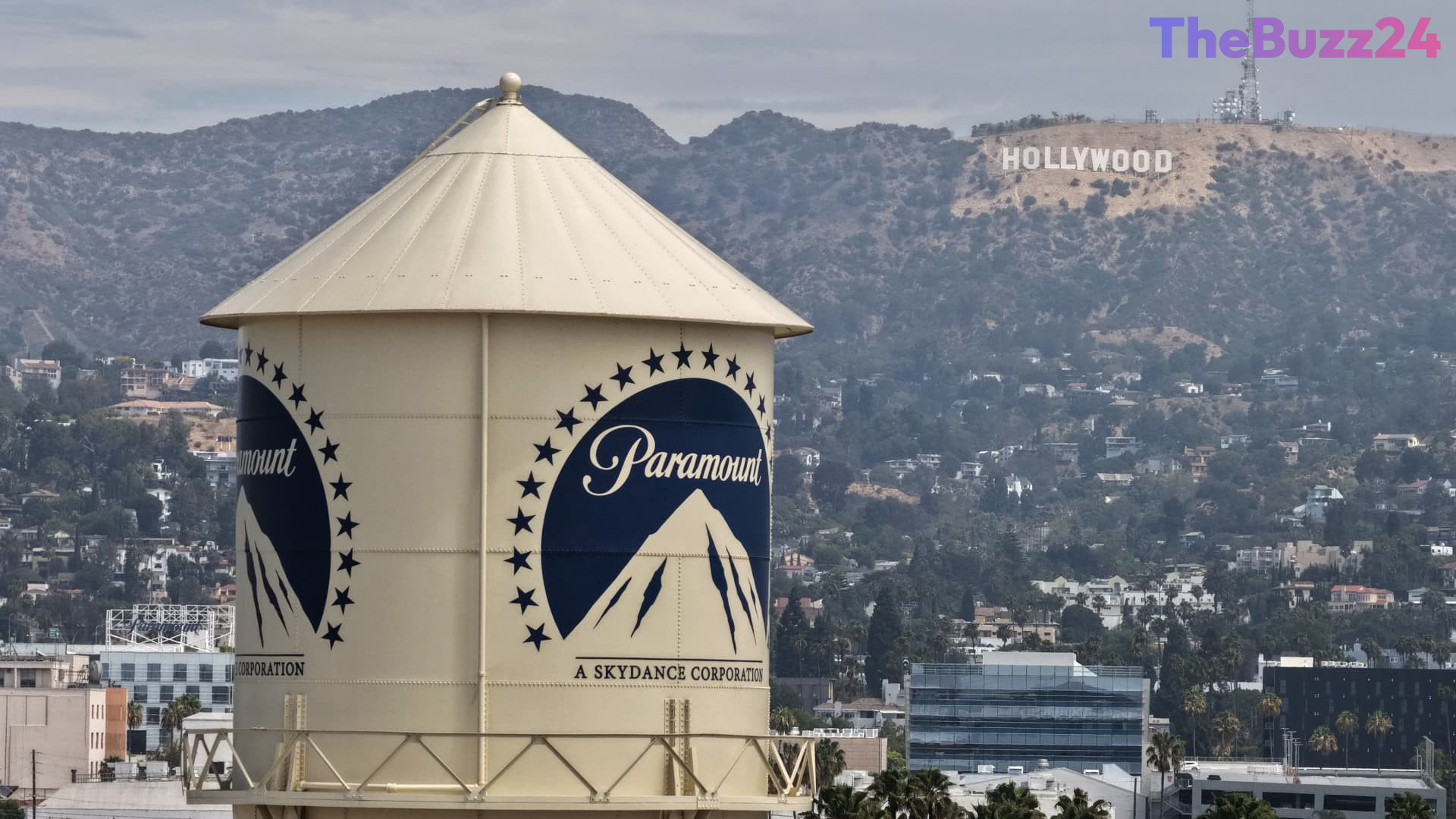
Paramount remains committed to finalizing its acquisition of Warner Bros. Discovery by the end of September, despite a recent legal challenge initiated by a coalition of state attorneys general. Led by California’s Rob Bonta, the group filed a lawsuit earlier this week seeking to block the merger, citing significant antitrust concerns regarding the potential impact on the film and pay TV sectors. The coalition has also requested a temporary restraining order to halt the proceedings while the case is litigated.
Jeffrey Kessler, lead trial counsel for Paramount, has publicly defended the merger as a pro-competitive move necessary to navigate the current volatility of the entertainment industry. Kessler argued that the combined entity would be better positioned to compete against major streaming giants like Netflix, Disney, and Amazon. He emphasized that the company is prepared to escalate the matter to the Supreme Court if necessary to ensure the deal proceeds, though he expressed a preference for an orderly legal schedule that would allow for a September closing.
Regulatory hurdles remain a primary focus, with the European Union currently reviewing the deal and setting a provisional deadline of July 22. While the U.S. Department of Justice has already granted approval, the state-level opposition poses a financial risk; Paramount faces a ‘ticking fee’ of approximately $650 million per quarter if the transaction is not completed by September 30. To address concerns regarding content output, Paramount has offered to formalize commitments to produce 30 films annually, a pledge intended to reassure regulators and critics of the merger’s potential impact on the market.
Key Takeaways
- Paramount is aiming to close its acquisition of Warner Bros. Discovery by late September despite a lawsuit from state attorneys general.
- The company faces a $650 million quarterly 'ticking fee' if the merger is delayed beyond the September 30 deadline.
- Paramount argues the merger is pro-competitive and necessary to compete with major streaming platforms like Netflix and Disney.
Editor’s Analysis & Impact
The proposed merger between Paramount and Warner Bros. Discovery represents a defensive consolidation strategy in an era where traditional media is struggling against the dominance of tech-native streaming platforms. By combining two historic studios, the companies aim to achieve the scale necessary to maintain relevance in a fragmented market. However, the intervention by state attorneys general highlights a growing trend of aggressive antitrust scrutiny at the state level, which can complicate even federally approved deals. If the merger is blocked or significantly delayed, the financial penalties involved could severely impact Paramount’s balance sheet. Ultimately, the outcome of this case will serve as a bellwether for future media consolidations, testing whether regulators will prioritize market competition concerns over the industry’s need for scale to survive the transition from linear television to digital streaming.
Frequently Asked Questions
Q: Why are state attorneys general trying to block the Paramount-Warner Bros. Discovery merger?
A: The coalition, led by California's Rob Bonta, argues that the merger would lead to higher prices, reduced content quality, and less variety for consumers, ultimately harming movie theaters and cable distributors.
Q: What is the 'ticking fee' mentioned in the merger agreement?
A: The ticking fee is a financial penalty that requires Paramount to pay WBD shareholders approximately $650 million per quarter if the merger is not finalized by September 30.
AI Disclosure: This article is based on verified data and official reports. Our Team and AI have cross-referenced every financial detail with primary sources to ensure total accuracy.
More from this Category