Global Markets Rally on Cooling Inflation Data Amid Geopolitical and Economic Headwinds
Global financial markets are showing signs of optimism as a cooler-than-expected U.S. inflation report fuels investor confidence. The latest consumer price index data revealed a 0.4% decline in June, bringing the annual inflation rate to 3.5%. This cooling trend has led traders to recalibrate their expectations for Federal Reserve interest rate hikes, significantly lowering the probability of near-term tightening. Consequently, U.S. stock futures have trended upward, building on momentum from a strong start to the corporate earnings season.
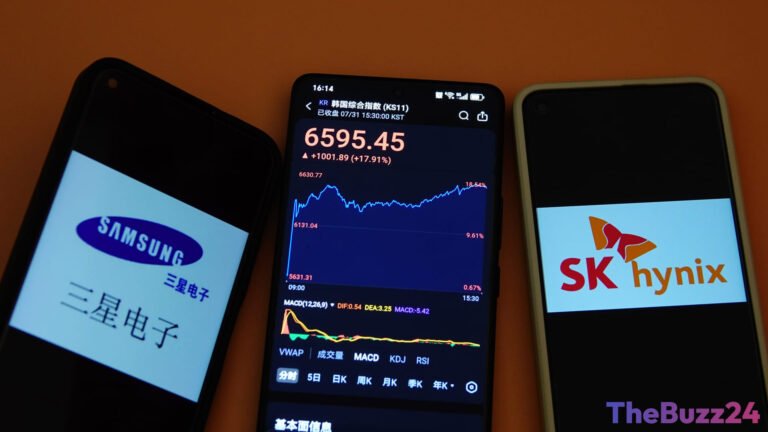
While the U.S. market finds relief in inflation data, the international landscape remains complex. In Asia, markets saw significant gains, with South Korea’s Kospi leading the charge, though China’s economy continues to face pressure, reporting its slowest GDP growth since 2022 at 4.3%. This figure fell short of expectations, highlighting ongoing challenges in domestic consumption and a persistent property sector downturn. Meanwhile, industrial collaborations are making headlines, notably a partnership between Mitsubishi Heavy Industries and Nvidia aimed at enhancing energy efficiency in AI data centers.
Geopolitical tensions in the Middle East are simultaneously influencing commodity markets. Oil prices have experienced volatility following renewed U.S. military strikes against Iranian military assets near the Strait of Hormuz. Despite these external pressures, the corporate sector remains a focal point for investors. While major financial institutions like JPMorgan Chase and Goldman Sachs have reported earnings that surpassed analyst expectations, other sectors are struggling; notably, IBM shares saw a record decline following a profit warning, and Pentair shares fell sharply after missing quarterly revenue targets.
Key Takeaways
- U.S. inflation cooled to 3.5% in June, leading markets to anticipate a less aggressive interest rate path from the Federal Reserve.
- China's GDP growth slowed to 4.3% in the second quarter, missing official targets and reflecting ongoing domestic economic strain.
- Geopolitical instability in the Middle East, specifically U.S. military actions near the Strait of Hormuz, has introduced volatility into global oil prices.
Editor’s Analysis & Impact
The current market environment is defined by a tug-of-war between cooling inflation and persistent geopolitical and structural risks. The positive reaction to the U.S. CPI data suggests that investors are desperate for a pivot in monetary policy, yet the ‘soft landing’ narrative remains fragile. The divergence between robust AI-driven industrial growth—exemplified by the Nvidia and Mitsubishi collaboration—and the sluggishness in traditional sectors like Chinese real estate and IBM’s legacy infrastructure highlights a K-shaped recovery. Looking ahead, the market will likely remain hyper-sensitive to energy price fluctuations caused by Middle Eastern instability and the ability of major corporations to maintain margins in an environment of high interest rates and shifting consumer demand.
Frequently Asked Questions
Q: Why did the stock market react positively to the June inflation report?
A: The market reacted positively because the lower-than-expected inflation data suggests that the Federal Reserve may not need to raise interest rates as aggressively as previously feared, which generally supports equity valuations.
Q: What is impacting China's economic growth currently?
A: China's growth is being hampered by a combination of a prolonged property sector downturn, weak domestic consumption, and ongoing trade tensions with major partners like the U.S. and the European Union.
AI Disclosure: This article is based on verified data and official reports. Our Team and AI have cross-referenced every financial detail with primary sources to ensure total accuracy.
More from this Category